You usually realise this question needs a proper answer when the trailer is already booked, the caravan is on the drive, or work is waiting. If you are asking what towbar do I need, the honest answer is that it depends on three things – what you are towing, what you drive, and how you want the finished setup to look and work day to day.
That is why choosing a towbar is not just a matter of picking the first option that fits your vehicle. A towbar needs to suit the vehicle’s towing capacity, the load you plan to pull, the type of trailer electrics required, and whether you want a permanent or removable fitting. Get those details right and towing feels straightforward. Get them wrong and you can end up with an awkward, limited or non-compliant setup.
What towbar do I need based on how I use the vehicle?
The best place to start is with how the vehicle is actually used. If you tow a small trailer for tip runs a few times a year, your needs are very different from someone pulling a caravan on long motorway journeys or a tradesperson towing equipment every week.
For regular towing, a fixed towbar often makes the most sense. It is sturdy, always ready to use, and usually the most cost-effective choice. Many van owners, tradespeople and drivers who tow trailers frequently prefer a fixed option because it is practical and there is nothing to remove or store.
If you tow occasionally and would rather keep the rear of the vehicle looking cleaner when not in use, a detachable towbar is often the better fit. These can be removed when you are not towing, which is useful if you want to maintain parking access, avoid knocking your legs on the hitch, or preserve the look of a newer car or SUV.
There is also the question of access. Some vehicles have parking sensors, rear styling trims or low-mounted tailgates that make one type of towbar more suitable than another. In those cases, the right answer is not just about towing – it is about how the towbar works with the vehicle as a whole.
The main towbar types explained
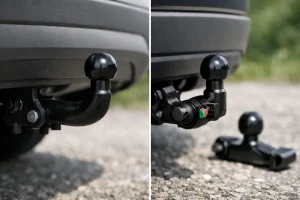
Most drivers will be choosing between a fixed flange towbar, a fixed swan neck towbar, or a detachable system. Each has its place.
A fixed flange towbar is the more traditional style and is very common on working vehicles and cars used for practical towing. It has a towball bolted to a faceplate, which means accessories can often be added more easily. If you use a cycle carrier, bumper protector plate or other towing accessories, this style can be especially useful.
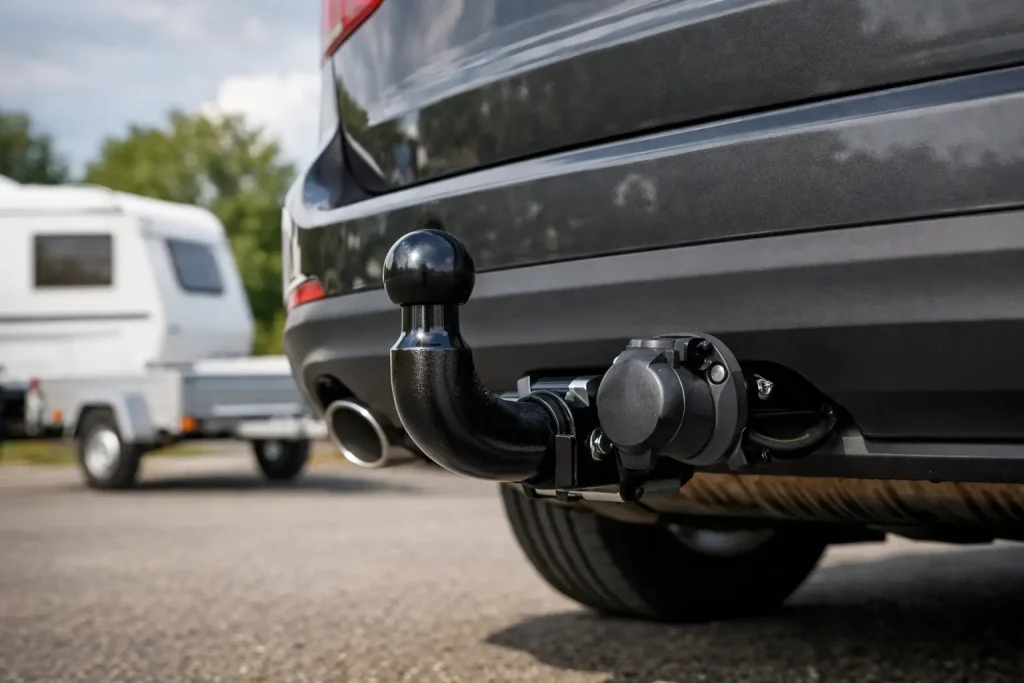
A fixed swan neck towbar has a slimmer, more integrated shape. Many people prefer it for appearance, as it tends to sit more neatly with the vehicle. It is also commonly chosen for caravans and general leisure towing. The trade-off is that accessory compatibility can be more limited depending on the setup.
A detachable towbar gives you the towing function when you need it and removes from view when you do not. For drivers who care about looks, access or keeping the rear of the car clear, it is a strong option. The main trade-off is price, as detachable systems usually cost more than fixed versions.
None of these is universally best. The right one depends on whether you value convenience, cost, appearance or accessory flexibility most.
Vehicle limits matter more than preference
This is the part that many people overlook. Even if you know which style you like, the vehicle itself has the final say.
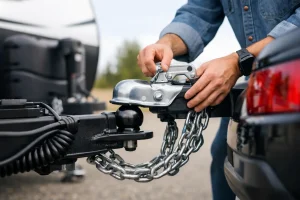
Every vehicle has limits on what it can tow and what nose weight it can carry. Towing capacity is the maximum trailer weight the vehicle is approved to pull. Nose weight is the downward force on the towball. Both figures matter. A towbar setup has to match the vehicle’s approved limits, and the trailer or caravan also needs to be loaded correctly.
Some cars are suitable for light towing only. Others, particularly many SUVs and vans, are built for heavier loads. There are also vehicles that are not approved for towing at all, or where towing ability changes depending on engine, gearbox or trim level. Two versions of the same model may not have the same towing figures.
That is why a proper vehicle-specific check is worth doing before any fitting is booked. It avoids assumptions and makes sure the towbar and electrics are chosen for your exact registration, not just the badge on the bonnet.
What towbar do I need for caravan, trailer or bike carrier use?
The type of load you plan to carry or tow makes a big difference.
For general trailer use, such as garden trailers, small utility trailers or work trailers, either a fixed flange or fixed swan neck can work well, provided the vehicle capacity is suitable. If the trailer is used often, fixed options are usually the most straightforward.
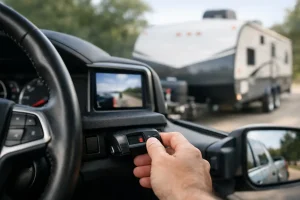
For caravans, the decision often comes down to both towbar style and electrics. Many caravans need a 13-pin electrical setup to power road lights and support additional functions. A stable, vehicle-specific installation matters here, not only for legality but also for confidence on longer trips.
For cycle carriers, it is important to check whether the carrier is compatible with the chosen towbar. Some towball-mounted carriers work better with certain towbar styles. This is one of those areas where people can get caught out if they buy parts separately without checking fitment.
For commercial use, durability and convenience tend to matter more than appearance. A van towing equipment regularly is often best served by a fixed towbar that is ready for daily use and matched with electrics that support the trailer properly.
Do I need 7-pin or 13-pin electrics?
The towbar itself is only part of the job. The electrics are just as important, because they connect your vehicle to the trailer or caravan lighting system.
A 7-pin system is commonly used for basic trailer lighting. It covers the essential road light functions and is often suitable for smaller trailers and simpler towing needs.
A 13-pin system is more modern and offers additional functions. It is widely used for caravans and newer trailers, especially where reverse lights or supplementary power functions are needed. Many drivers now choose 13-pin because it is more versatile and better suited to current equipment.
On newer vehicles, wiring is rarely as simple as splicing into a few rear light cables. Modern cars and vans often need dedicated vehicle-specific electrics that communicate properly with onboard systems. That can affect trailer lighting, dashboard warnings, parking sensors and, in some cases, stability features. A proper installation helps avoid electrical faults and makes sure the towing setup works as intended.
Why professional fitting makes a difference
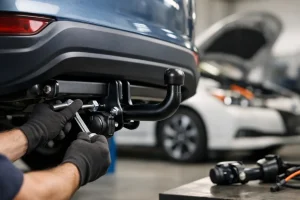
A towbar is a safety-critical fitting. It needs to be mounted correctly, torqued correctly and wired correctly. That sounds obvious, but it is exactly why professional installation matters.
With newer vehicles in particular, the difference between a universal guesswork approach and a proper vehicle-specific installation is significant. Bumpers may need careful removal and refitting. Electrical systems may need coding or dedicated interfaces. Parking sensors may need to respond properly when a trailer is connected. If the fitting is wrong, the issues often show up later – warning lights, poor trailer lighting, sensor problems or towing performance that does not feel right.
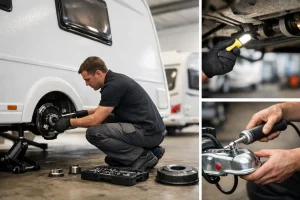
A hands-on workshop can also spot related issues early. If the trailer socket placement is poor, if there is corrosion around mounting points, or if your trailer electrics are faulty rather than the vehicle, those problems are easier to solve before you head out on the road.
Choosing the right towbar with confidence
If you are still wondering what towbar do I need, the simplest answer is this: choose the towbar that suits your vehicle, your towing load and how often you will use it. A fixed flange is practical and versatile. A fixed swan neck gives a neater finish. A detachable towbar suits occasional towing and drivers who want the rear of the vehicle left clear when not in use.
What matters most is not choosing the most expensive option or the most popular one. It is choosing a setup that is safe, compatible and properly fitted for the job you actually need it to do.
At Doncaster Towbars, that usually starts with a straightforward conversation about your vehicle, what you tow and what matters most to you – cost, appearance, frequency of use or accessory compatibility. Once those answers are clear, the right towbar choice usually becomes clear as well.
If you are unsure, ask before you buy. A few minutes spent checking the details now can save a lot of hassle later, and it gives you the confidence that when it is time to tow, everything is ready to work as it should.