If you use your vehicle for regular towing, a fixed swan neck towbar is often the option that makes the most sense. It is straightforward, strong, tidy in appearance and ready whenever you need it, whether that means towing a caravan, bike carrier, small trailer or work equipment. For many drivers, the real question is not whether it works well – it is whether it suits the way they use the vehicle day to day.
That is where a bit of proper advice matters. Towbars are not one-size-fits-all, and the best setup depends on your vehicle, how often you tow, what you tow and whether rear appearance or parking access is a priority.
What is a fixed swan neck towbar?
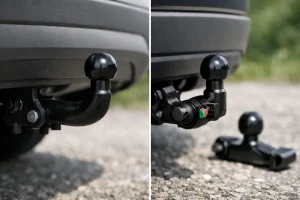
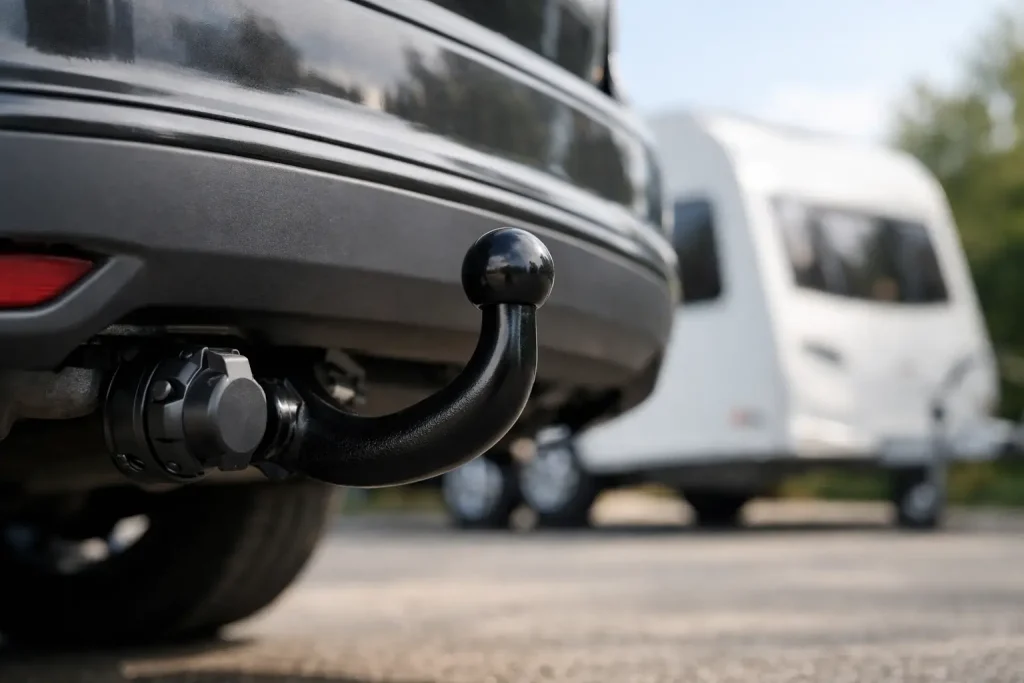
A fixed swan neck towbar is a permanently fitted towbar with a curved neck that extends from beneath the bumper to the tow ball. Unlike a flange towbar, it has a cleaner, more integrated look because the tow ball section is formed as part of the neck rather than bolted onto a faceplate.
You will often see this style fitted to modern cars, SUVs and many vans where owners want a practical towing solution without the more industrial appearance of a plate-style assembly. It stays in place at all times, so there is nothing to remove, store or refit before towing.
That simplicity is a big advantage for customers who tow regularly. If you are hitching up every week, or even several times a month, a fixed option saves time and avoids the hassle of detachable systems.
Why drivers choose a fixed swan neck towbar
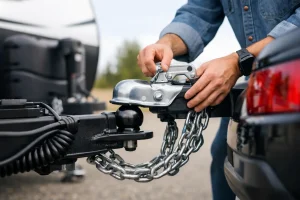
For regular towing, convenience is the obvious reason. The towbar is always there, so the vehicle is ready to work when you are. That suits caravan owners heading off at weekends, tradespeople moving trailers and anyone using a rear-mounted bike carrier on a frequent basis.
There is also the matter of appearance. A fixed swan neck towbar usually looks neater than a traditional flange towbar, especially on newer vehicles. The curved design tends to sit more discreetly under the rear of the car, which is why many owners prefer it where compatibility allows.
Cost can be another factor. In many cases, a fixed swan neck towbar is more affordable than a detachable system, both in the product itself and in overall value. You get a durable towing solution without paying extra for a removable mechanism that you may never really need.
Where a fixed swan neck towbar works best
This type of towbar is well suited to drivers who tow often and are less concerned about removing the towbar when not in use. That includes caravan users, domestic trailer owners, small business operators and van drivers who need reliable towing capability as part of everyday use.
It can also be an excellent choice if you want a dedicated setup for towing and already know your vehicle will spend a lot of time doing exactly that. If the towbar is going to stay on the vehicle anyway, paying more for a detachable unit often offers little benefit.
That said, there are some situations where another towbar type may be better. If you strongly prefer a completely hidden look when not towing, or your vehicle has parking sensors that you rely on heavily in tight spaces, a detachable towbar may be worth considering. It depends on the vehicle and how you use it.
Fixed swan neck towbar vs flange towbar
The comparison usually comes down to appearance, accessory compatibility and personal preference.
A flange towbar uses a bolt-on tow ball mounted to a flat plate. It is very common, proven and practical, particularly where specific accessories are needed. Some bumper protection plates, pin and ball combinations or specialist towing accessories are more often associated with flange setups.
A fixed swan neck towbar, by contrast, tends to look cleaner and more modern. For many private motorists, that is enough to make it the preferred option. It generally suits standard towing jobs very well, including caravans and trailers, but accessory requirements should always be checked before fitting.
Neither is automatically better in every case. If you need maximum flexibility for attachments, a flange towbar may be the smarter choice. If you want a neat permanent towbar for normal towing duties, the swan neck style is often ideal.
Fixed swan neck towbar vs detachable towbar
This is the choice many customers ask about in the workshop. Both can do the job properly, but they suit different priorities.
A detachable towbar gives you the option to remove the neck when it is not needed. That can help preserve the vehicle’s rear appearance and, on some vehicles, reduce interference with parking sensors. It is a good solution for drivers who only tow occasionally.
A fixed swan neck towbar is usually the more straightforward and cost-effective option. There are no detachable parts to keep clean, store safely or refit correctly. If you tow often, fixed tends to be more convenient simply because it is always ready.
The trade-off is clear enough. Detachable gives a cleaner look when idle. Fixed gives easier day-to-day use and often better value.
The importance of vehicle-specific fitting
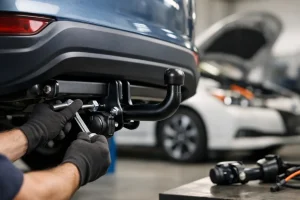
Choosing the right towbar is only half the job. Proper fitting matters just as much, especially on modern vehicles with complex electrics, parking sensors, stability systems and manufacturer-specific towing limits.
A towbar needs to match the exact vehicle application. That includes the correct mounting points, the right tow ball height, suitable nose weight and trailer weight ratings, and electrics that work properly with the vehicle’s systems. Poor fitting or incorrect wiring can lead to faults, safety concerns and frustrating issues such as warning lights or non-functioning trailer lights.
Professional installation also ensures the bumper cut, if required, is handled neatly and appropriately. Some vehicles allow a largely hidden fit, while others need more visible adaptation. The details vary from model to model, which is why workshop experience matters.
Electrics matter more than most people think
When customers think about a towbar, they often picture the metalwork first. In reality, the electrical side is just as important. A towing setup is not complete unless the trailer or caravan lighting works exactly as it should.
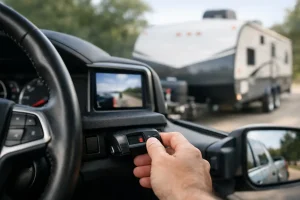
Depending on the vehicle and what you are towing, that may involve 7-pin or 13-pin electrics, dedicated wiring kits or vehicle-specific coding. On newer cars and vans, a proper dedicated electrical kit can allow the vehicle to recognise when a trailer is connected, which may affect safety features and dashboard monitoring.
This is not an area to guess your way through. The right wiring setup helps keep the vehicle compliant, protects electrical systems and gives you confidence that everything works when you are out on the road.
Will a fixed swan neck towbar affect parking sensors?
Sometimes it can, but it depends on the vehicle. On some cars, the presence of a fixed towbar may be picked up by the rear parking sensors, causing a constant or occasional warning. On others, the system and towbar position work together without issue.
There are ways to manage this, particularly when the towbar and electrics are fitted correctly. Vehicle-specific electrics can help on many models, and part of a good fitting service is advising you on what to expect before the job is done.
If rear sensor performance is a major concern for you, it is worth raising that at the outset. It may influence whether a fixed swan neck towbar is the best option or whether a detachable alternative makes more sense.
Is a fixed swan neck towbar right for your vehicle?
If you tow regularly and want something dependable, neat and ready to use, the answer is often yes. It is especially well suited to motorists who value practicality and do not want the extra cost or fuss of a detachable system.
If your priority is keeping the rear of the vehicle completely clear when not towing, or you tow only once or twice a year, it may be worth comparing other options before deciding. The right answer depends on how the vehicle is used in real life, not just what looks best on paper.
That is why a proper conversation before fitting is useful. At Doncaster Towbars, the job is not simply to fit any towbar – it is to supply the right setup for the vehicle, the towing load and the way you actually use it. If you are unsure whether a fixed swan neck towbar is the right choice, getting advice first can save both money and inconvenience later.
A towbar should make your vehicle more useful, not give you compromises you did not expect. If you are planning to tow a caravan, trailer or work equipment, speak to a specialist and get the setup that fits the job properly from the start.