Towing starts long before you hitch up a trailer or caravan. It starts with choosing a car towbar installation service that fits the vehicle properly, connects the electrics correctly and gives you confidence every time you set off. A towbar is not just a metal bar bolted to the back of a car – it is a safety-critical fitting that needs to suit the vehicle, the load and the way you plan to use it.
That is where many drivers get caught out. On paper, towbar fitting can look straightforward. In practice, modern vehicles often need model-specific brackets, coded electrics, careful bumper trimming and the right socket setup for trailers, cycle carriers or caravans. Get any of that wrong and you can end up with poor fitment, electrical faults or a towing setup that simply does not work as it should.
What a car towbar installation service should include
A proper car towbar installation service is more than supplying a towbar and fitting it to the chassis. The job should begin with checking exactly what vehicle you have, what you intend to tow and whether you need single or twin electrics. That matters because a small hatchback used for a bike carrier has very different requirements from a family SUV towing a caravan or a van pulling work equipment.
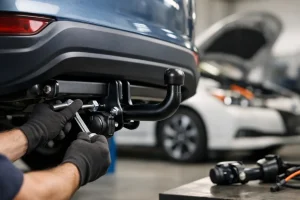
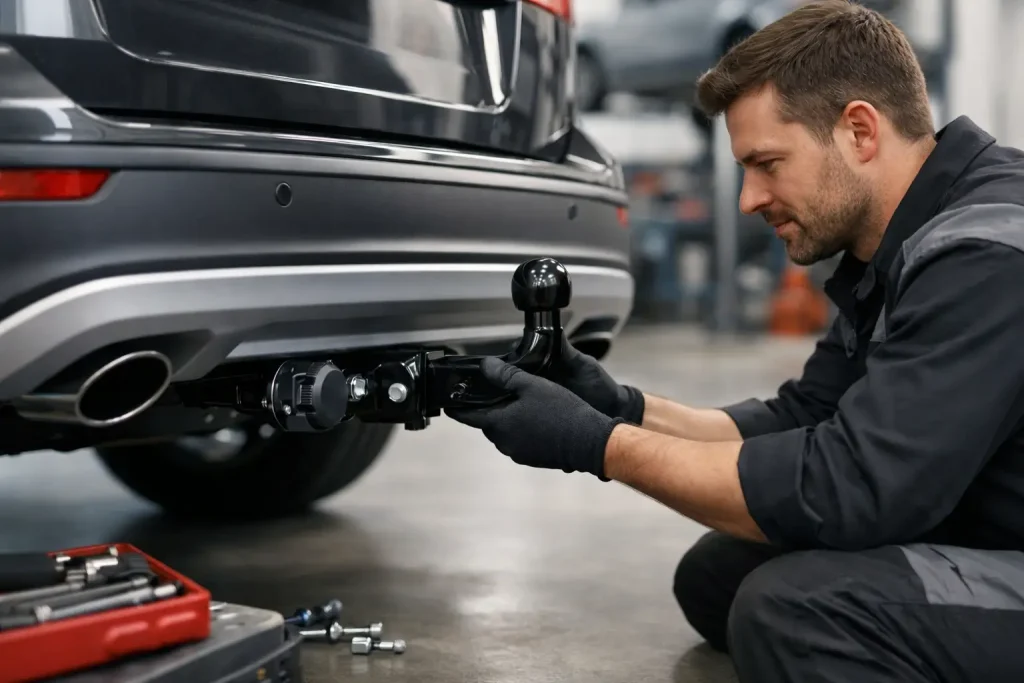
The fitting itself needs to be vehicle-specific. Good towbar installations use mounting points designed by the manufacturer or approved for that vehicle, rather than forcing a universal solution to fit. On newer cars, the electrics are just as important as the towbar hardware. Dedicated wiring kits are often the best option because they communicate properly with the vehicle systems and can support features such as trailer lighting warnings, parking sensor adjustment and stability functions where applicable.
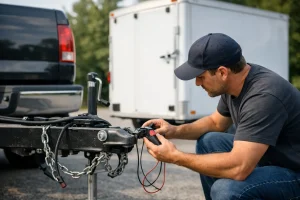
A quality service should also include testing. Once fitted, the towbar and electrics need to be checked to make sure indicators, brake lights, tail lights and any other relevant functions operate correctly. If the job is finished without proper testing, it is not really finished.
Choosing the right type of towbar
The best towbar for one driver can be the wrong choice for another. That is why the first part of any sensible recommendation is how you plan to use it.
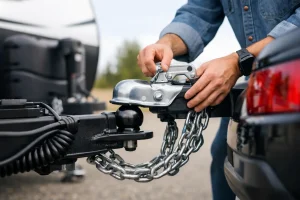
Fixed towbars are often the straightforward, practical option. They are popular with drivers who tow regularly, such as caravan owners, trailer users and tradespeople. They stay in place, are ready to use and tend to offer good value.
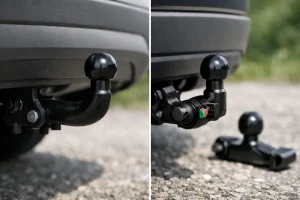
Detachable towbars suit motorists who want towing capability without a permanent towball on show. They are useful if you only tow occasionally or want to keep the rear of the vehicle looking neater when the towbar is not in use. The trade-off is cost – detachable systems are usually more expensive than fixed options.
Retractable or swan neck styles can also suit certain vehicles and preferences, especially where appearance, access or compatibility matter. The right answer depends on the car and the job you need it to do. There is no single towbar that is best for everyone.
Why electrics matter as much as the towbar itself
A lot of people focus on the towbar and forget the wiring. In reality, poor electrics cause as many problems as poor fitting. If the socket is not installed correctly or the wiring kit does not suit the vehicle, you may find trailer lights not working properly, warning messages appearing on the dashboard or faults affecting parking systems.
For some older vehicles, universal electrics may be suitable. For many modern cars and vans, dedicated vehicle-specific electrics are the better route. They are designed to integrate with the car’s electronic systems rather than bypass them. That can make a real difference to reliability and to how the vehicle behaves while towing.
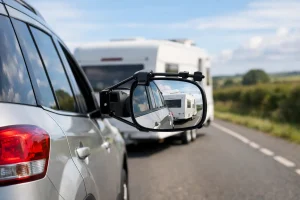
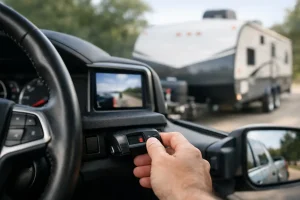
This is especially important for caravan users, who often need more from the electrical setup than basic road lighting. Fridge feeds, battery charging and full twin-electrics support may all come into the conversation depending on the caravan and the towing vehicle.
Car towbar installation service for different drivers
Not every customer arrives with the same towing needs, and a good workshop should treat the fitting accordingly.
For private motorists, the most common requirement is often occasional towing – perhaps a small trailer for tip runs, a cycle carrier for weekends away or a caravan for holidays. In these cases, the focus is usually on ease of use, legal compliance and making sure the vehicle remains practical for everyday driving.
For van owners and tradespeople, the towbar often supports day-to-day work. Reliability matters more than anything else because downtime costs money. A properly fitted towbar with dependable electrics can make a working vehicle more versatile without turning every towing job into a hassle.
For regular caravan users, stability, load suitability and electrical compatibility are usually top priorities. This is where experience counts. Knowing the difference between what will physically fit and what will actually perform well is part of the value of using a specialist fitting service.
Why professional fitting is worth it
There is a reason specialist towbar fitting businesses stay busy. Towing equipment has to work under stress, in poor weather and over rough roads. It is not an area where guesswork makes sense.
Professional fitting gives you a setup that matches the vehicle, uses the correct mounting system and includes properly tested electrics. It also reduces the risk of common problems such as misaligned fittings, damaged trims, warning light issues or trailer sockets positioned awkwardly for real-world use.
There is also the question of vehicle complexity. Many newer cars require a more careful approach than older models. Bumpers may need removing, undertrays may need modification and electronic systems may need coding or activation after installation. That is normal workshop work for a specialist, but it can become a headache very quickly in inexperienced hands.
What to ask before booking
If you are comparing providers, it helps to ask practical questions rather than just chasing the cheapest quote. Ask what type of towbar is recommended for your vehicle and why. Ask whether the electrics are dedicated or universal. Ask if the fitting includes testing and whether the team regularly works on your make and model.
It is also worth mentioning exactly what you intend to tow. A trailer for garden waste, a caravan, a horsebox and a cycle carrier all place different demands on the setup. The more precise the information, the better the recommendation.
Price matters, of course, but value matters more. A lower quote can become expensive if it leads to electrical faults, the wrong socket arrangement or a towbar that does not suit the job.
Local support matters after the fitting
One advantage of using a specialist local workshop is that support does not stop once the towbar is fitted. If you have a trailer lighting fault, need advice on a new caravan connection or want related upgrades such as parking sensors or a dash cam, it helps to deal with a team that already understands your vehicle.
That practical aftercare is often overlooked when people first shop around. Yet it can save time and frustration later, especially if you tow regularly or rely on a van for work. A proper towing specialist can usually help with more than the initial installation, from trailer servicing to fault-finding and replacement parts.
For drivers in Doncaster and the surrounding area, that local workshop support makes the whole process easier. You are not simply buying a product off the shelf. You are getting a fitted solution designed around the vehicle and the way you use it.
When a towbar fitting needs a tailored approach
Some installations are simple. Others are not. Vehicles with factory styling kits, parking sensors, advanced driver assistance systems or limited rear clearance may need extra care. Likewise, imported models or unusual towing requirements can call for a more tailored solution.
This is where a hands-on business such as Doncaster Towbars stands out. Workshop experience matters when the job is not textbook. It helps you avoid the false economy of a generic fitting approach and gives you a setup that works properly in day-to-day use, not just on the invoice.
If you are looking for a car towbar installation service, the best next step is to speak to a specialist with your registration number, vehicle details and towing requirements to hand. A short conversation now can save you a lot of trouble later, and it puts you on the road with the right equipment fitted the right way.