A van’s windscreen gives you a very different view of the road than a car’s, and that is exactly why choosing the best dash cam for vans needs a bit more thought than picking the first model you see online. If you use your van for work, deliveries, tools, towing, or long days on the road, a dash cam is not just a gadget. It is there to protect you if there is a dispute, support insurance claims, and give you a clearer record of what actually happened.
For van owners, the right choice usually comes down to how the vehicle is used. A self-employed tradesperson doing short local runs will not always need the same setup as a delivery driver covering motorway miles or a business running several vans. The best answer is not always the most expensive camera. It is the one that suits the vehicle, the job, and the way it will be fitted.
What makes the best dash cam for vans different?
The main challenge with vans is visibility. A taller driving position, a larger windscreen, bulkheads, solid rear doors, and longer vehicle bodies all affect what a camera can capture. In a car, a basic front-facing unit might be enough. In a van, that can leave gaps.
A wide-angle front camera is often a good starting point because it helps cover more of the road ahead, especially at junctions and roundabouts. Even so, very wide lenses can sometimes distort the picture around the edges, so there is a balance to strike. Clear number plate capture matters more than chasing the widest possible field of view.
Rear coverage is where vans often need extra thought. If your van has no rear window, a conventional rear-facing dash cam mounted inside the vehicle will be pointless. In that case, a second camera fitted externally or a different recording setup may be more suitable. If your van does have rear glass, a two-camera system can make a lot of sense, particularly if you spend time in traffic or regularly carry valuable equipment.
The features that are worth paying for
Image quality matters, but not in the way many people think. A camera advertised with very high resolution is not automatically better in daily use. What you really want is consistent, usable footage in mixed British weather – bright glare, low winter light, rain on the windscreen, and night driving on poorly lit roads.
A good sensor and reliable low-light performance are often more important than headline resolution figures. Full HD can be perfectly adequate if the camera handles exposure well and records smoothly. Higher resolutions can help with detail, but they also use more storage and can be less forgiving if the rest of the hardware is average.
Parking mode is another feature many van owners should seriously consider. If your van is left on site, on a driveway, or parked on the road overnight, this can record knocks, attempted break-ins, or damage while unattended. That said, proper parking mode usually needs a hardwired installation rather than simply plugging into a 12V socket. That is one area where professional fitting is worth it, because the wiring needs to be safe, tidy, and compatible with the vehicle’s electrical system.
GPS can also be useful. Some drivers like it because it logs speed and location alongside the footage. Others are less keen, particularly if several people use the same van. It is not essential for everyone, but for business use or regular long-distance driving, it can add useful context if footage ever needs to be reviewed.
Single, dual, or multi-camera setups
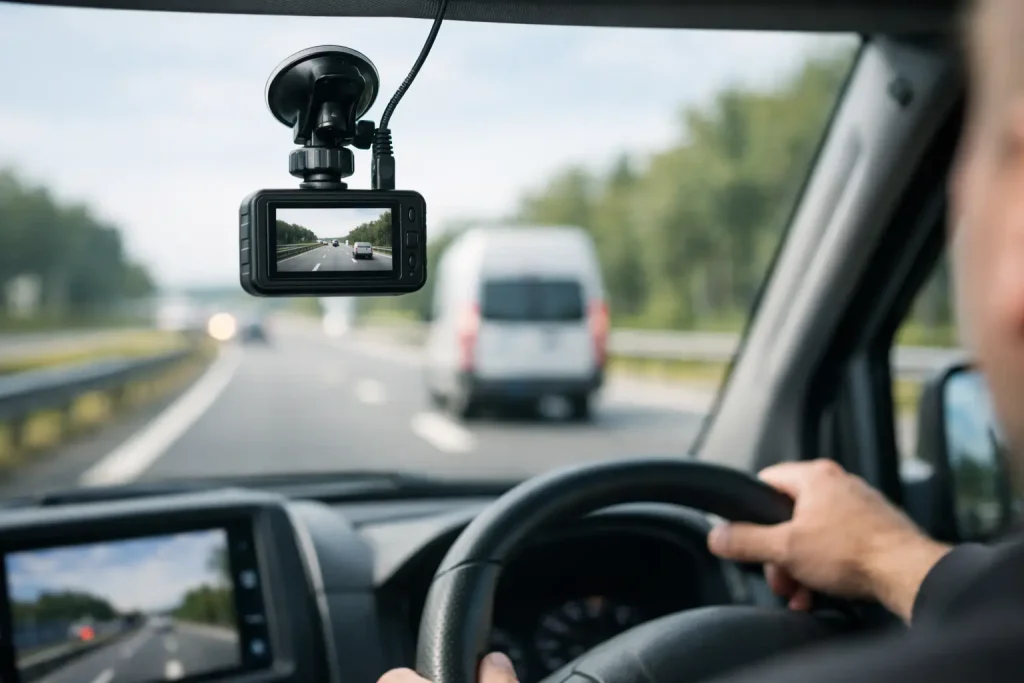
If you are wondering what type of system counts as the best dash cam for vans, start with the camera layout rather than the brand name. A single front-facing camera suits plenty of van owners. It is usually the simplest and most cost-effective option, and for many drivers it covers the most likely incidents.
A dual-camera setup records front and rear views. This can be ideal if your van has rear glass, or if you want wider evidence of what is happening around the vehicle. It is particularly useful in stop-start traffic, rear-end shunts, and incidents where another driver disputes positioning.
For some vans, especially working vehicles, an interior camera can also be useful. That is more common in fleet use, taxis, or specialist applications where cab monitoring is part of the requirement. It is not for everybody, and there may be privacy considerations if staff or passengers are involved, but it can be valuable in the right setting.
Hardwiring matters more than most people realise
A dash cam is only as good as its installation. We see plenty of drivers who have bought a decent camera, then ended up with dangling cables, unreliable power, or features they cannot use properly because it has only been plugged into a socket.
Hardwiring gives a cleaner finish and frees up the power outlet for other equipment. More importantly, it allows functions like parking mode to operate as intended. On modern vans, that work needs to be done carefully. Vehicle electrics are not something to guess your way through, especially on commercial vehicles with complex systems, start-stop technology, or manufacturer-specific wiring.
A neat installation also matters from a practical point of view. Loose cables can distract the driver, interfere with trim, and create an untidy finish in a vehicle you rely on every day. If the van is customer-facing, appearance counts too.
What van owners should avoid
The cheapest cameras can be tempting, especially when they promise the same features as premium models. In practice, the problems tend to show up quickly. Poor app support, unreliable memory card performance, weak mounts, and patchy footage in poor weather are all common complaints.
Another mistake is buying a camera that is too bulky for the windscreen area. Vans often have a lot going on around the mirror housing, sensors, and upper windscreen space. A camera that looks fine in product photos can end up sitting awkwardly, intruding into your view, or failing to fit where it should.
It is also worth being cautious with rear camera expectations. On a panel van with no rear window, an off-the-shelf rear unit may not solve the problem you think it will. This is where speaking to someone who understands vehicle-specific fitting can save time and money.
Choosing the right dash cam for how you use the van
If your van is mainly used for local trade work, reliability and ease of use should be top priorities. You want footage that records every journey without fuss, starts automatically, and does not need constant checking. A compact front camera with solid image quality and hardwired power is often the sensible option.
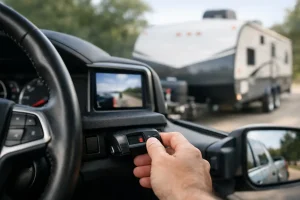
If you cover longer distances, drive on motorways regularly, or tow a trailer, you may benefit from a higher-spec unit with strong low-light recording, GPS, and dependable parking protection. Towing adds another reason to think carefully about coverage, because incidents can involve more than just the front of the vehicle.
For business owners with more than one van, consistency matters. Using the same setup across multiple vehicles makes maintenance easier and avoids confusion for drivers. It also helps if footage ever needs to be retrieved quickly.
Is professional fitting worth it?
For many van owners, yes. A professionally fitted dash cam is less about saving you the trouble of hiding a cable and more about making sure the system works properly from day one. That means the camera is mounted in the correct position, powered safely, and installed in a way that suits the vehicle.
There is also the benefit of proper advice. Not every van needs the same solution, and not every advertised feature is worth paying for. A workshop that deals with van electrics and accessory fitting can usually spot the practical issues straight away, from windscreen layout to fuse box access to whether a rear camera is realistic.
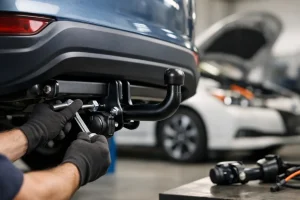
At Doncaster Towbars, this is exactly the sort of hands-on advice many drivers need. If you are already considering dash cam installation, it makes sense to discuss how the van is used before choosing a system.
So what is the best dash cam for vans?
The honest answer is that it depends on the van and the job. For some drivers, the best option is a discreet front camera with dependable recording and a tidy hardwired fit. For others, it is a dual-camera system with parking mode and better coverage around a vehicle that spends long hours on the road.
What matters most is not chasing features you will never use. It is choosing a system that records clearly, powers reliably, fits the vehicle properly, and gives you confidence when something goes wrong. If you are unsure where to start, get advice from a fitter who understands van installations, not just cameras on a shelf. A dash cam should make life easier, not add another problem to solve.