A dash cam that only works when you remember to plug it in is not much use the day something actually happens. That is why dash cam hardwire fitting is such a popular upgrade for motorists who want reliable recording, a tidier finish, and features like parking mode that a simple 12V plug often cannot support properly.
For many drivers, the difference is not just convenience. A hardwired dash cam can start and stop with the ignition, sit neatly without trailing cables across the cabin, and provide a more dependable setup for daily use. If you use your vehicle for commuting, business, towing, deliveries, or long motorway runs, that extra reliability quickly matters.
What dash cam hardwire fitting actually means
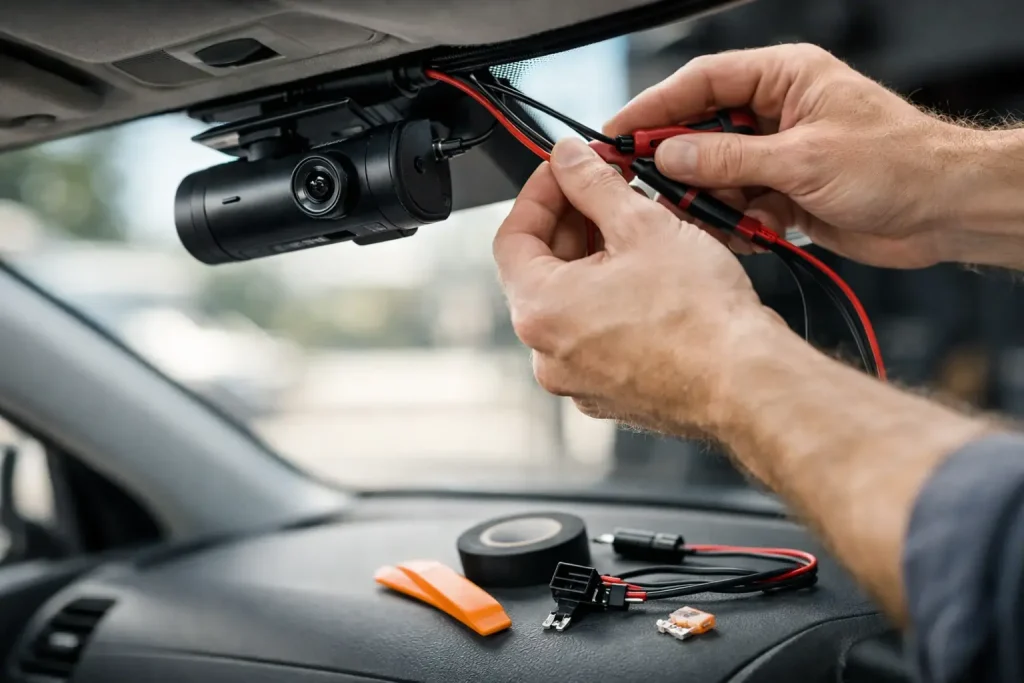
Hardwiring a dash cam means connecting it into the vehicle’s electrical system rather than powering it through the cigarette lighter or accessory socket. In most cases, the camera is connected through a dedicated hardwire kit that links into the fuse box and includes voltage protection to help prevent the vehicle battery from being drained too far.
A proper installation usually involves routing the power cable behind trim panels and headlining so it stays hidden and secure. The camera itself is positioned to give a clear view of the road without obstructing the driver’s line of sight. If a rear camera is included, the installer will also run the rear cable through the cabin carefully so it is protected and neatly concealed.
That sounds straightforward on paper, but modern vehicles are not all the same. Fuse layouts vary, trim removal needs care, and some cars are far more sensitive than others when it comes to added electrical equipment. That is where experience makes a real difference.
Why drivers choose dash cam hardwire fitting
The first reason is neatness. Nobody wants a loose power lead hanging down the windscreen or draped across the dashboard. A hardwired setup keeps the interior looking tidy and avoids the sort of cable routing that can be distracting or get in the way.
The second reason is practicality. A lot of drivers want their dash cam to switch on automatically with the vehicle. Once it is fitted properly, there is no need to think about plugging it in, no need to free up a socket each time you drive, and no chance of forgetting to power it at all.
The third reason is parking protection. Many modern dash cams offer parking mode recording, but they need a suitable power supply and low-voltage cut-off to do that safely. If your car is parked on the road, in public car parks, on building sites, or at customer premises, having the camera ready when the ignition is off can be a genuine benefit.
For tradespeople and van owners, there is also a business case. A fixed, dependable recording setup can help with incident evidence, disputed damage, and general peace of mind when the vehicle is part of your working day.
Dash cam hardwire fitting and parking mode
Parking mode is often the feature that pushes people from a basic plug-in camera to a properly installed system. It allows the dash cam to monitor the vehicle while parked, either continuously, on motion detection, or when an impact is detected, depending on the camera model.
This is useful, but it is also where poor installation causes problems. If the hardwire kit is not connected correctly, or if battery protection is missing or set badly, the car battery can suffer. On some vehicles, that might simply mean poor starting after being left for a while. On others, it can create electrical faults or battery management issues that cost far more than the camera itself.
A professional fitter will look at how the vehicle is used, whether parking mode is really suitable, and how to set the system up sensibly. For example, a car driven daily may cope well with parking mode, while a vehicle left standing for days at a time may need a different approach.
Why DIY is not always the cheaper option
There are certainly drivers who fit their own dash cams successfully, especially on older vehicles with simpler electrics. But plenty of DIY jobs end up with rattling trim, exposed cables, blown fuses, poor camera positioning, or power supplies that do not behave as they should.
The biggest issue is usually not the camera. It is the vehicle. Modern cars and vans can have tightly packaged trim, side curtain airbags behind pillar covers, sensitive fuse circuits, and battery monitoring systems that need the right connection points. Route a cable badly near an airbag, or tap into the wrong fuse, and the result can range from inconvenient to unsafe.
There is also the matter of finish. A dash cam should look like it belongs in the vehicle, not like an afterthought. A proper fitting job takes the time to hide wiring, secure components, and mount the camera where it records effectively without becoming a nuisance to the driver.
What to expect from a professional installation
A proper workshop fitting starts with choosing the right camera setup for the vehicle and how it is used. Some motorists only need a front-facing unit for everyday driving. Others want front and rear coverage, high-resolution recording, parking surveillance, or extra features such as GPS and app connectivity.
The installer should then assess the vehicle-specific electrics. That means identifying suitable fuse positions, checking how the vehicle manages power, and making sure the hardwire kit is compatible. Good installation is not just about getting power to the camera. It is about doing it in a way that is safe, stable, and reliable.
Mounting position matters too. Fit the camera too low and it may obstruct visibility. Too high or too far to one side and you can lose useful road coverage. On vehicles with driver assistance systems, heated screens, rain sensors, or mirror housings that take up space, placement needs a bit more thought.
Rear camera fitting can be more involved, particularly on estates, SUVs, vans, and vehicles with tailgates. Cable routing needs to be protected from pinch points and repeated opening and closing. Again, that is the sort of job that is easier when done by someone used to working with vehicle interiors every day.
Is hardwiring right for every vehicle?
Usually, yes, but not always in the same way. An older hatchback and a newer premium SUV may both be suitable for dash cam hardwire fitting, yet the fitting method and recommended settings can differ. Vehicles used only occasionally may need more caution with parking mode. Company vans that are constantly on the road may benefit greatly from a more permanent setup.
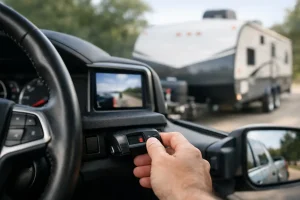
If you tow regularly, spend long hours driving, or carry tools and equipment, a hardwired dash cam often makes good sense because the camera becomes part of the vehicle rather than a loose accessory. If you swap cars often or only want the camera for occasional trips, a plug-in arrangement may still be enough.
That is why the best advice is usually based on the vehicle, the camera, and how you actually use both. One-size-fits-all advice rarely works well with automotive electrics.
Choosing the right fitter for dash cam hardwire fitting
You are not just buying a camera installation. You are trusting someone with your vehicle’s trim, wiring, fuse box, and interior finish. That is why it is worth choosing a fitter who is used to vehicle accessory installations and understands how aftermarket equipment should be integrated properly.
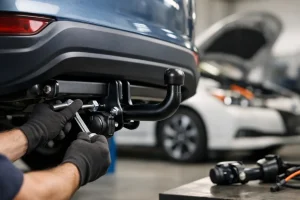
A workshop that regularly handles towing electrics, parking sensors, and dash cams will usually have a better grasp of clean cable routing, safe power connections, and vehicle-specific fitting challenges than someone treating it as a side job. The result is normally a more reliable system and a better finish.
For local motorists, caravan owners, tradespeople, and van users, having a practical discussion with an experienced installer can save a lot of guesswork. At Doncaster Towbars, for example, dash cam fitting sits alongside the sort of electrical and vehicle enhancement work that benefits from hands-on workshop experience rather than trial and error.
Cost matters, of course, but cheapest is not always best if it leaves you with electrical issues or a poor-quality finish. A good fitting job should give you confidence every time you turn the key.
A dash cam is there for the moments you hope never happen, so it makes sense to have it fitted in a way you do not need to think about twice. If you want a setup that works properly every day, looks tidy, and suits your vehicle, getting proper advice before fitting is usually the smartest place to start.