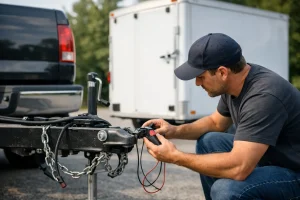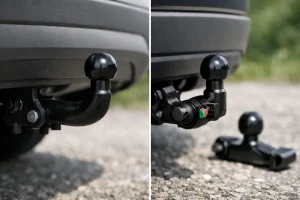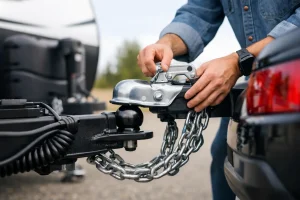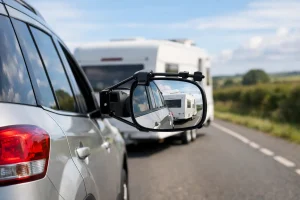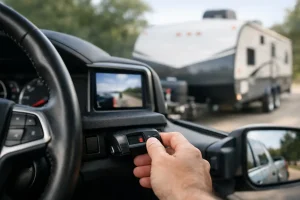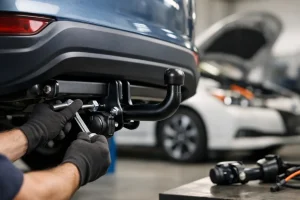
If you have ever collected a trailer, caravan or bike carrier and found the plug on your vehicle does not match, you will know why 13 pin towing electrics explained properly can save a lot of hassle. The 13 pin system is now the standard on many modern towing setups because it does more than simply run your trailer lights. It gives a safer, tidier and more capable connection between vehicle and trailer.
For many drivers, the plug itself is the first point of confusion. Older trailers often use a 7 pin connection, while newer caravans and many trailers are fitted with a 13 pin plug. At a glance, it can look like a small change. In practice, it affects what equipment will work, how your vehicle communicates with the trailer, and whether your towing setup is properly suited to the job.
What 13 pin towing electrics actually are
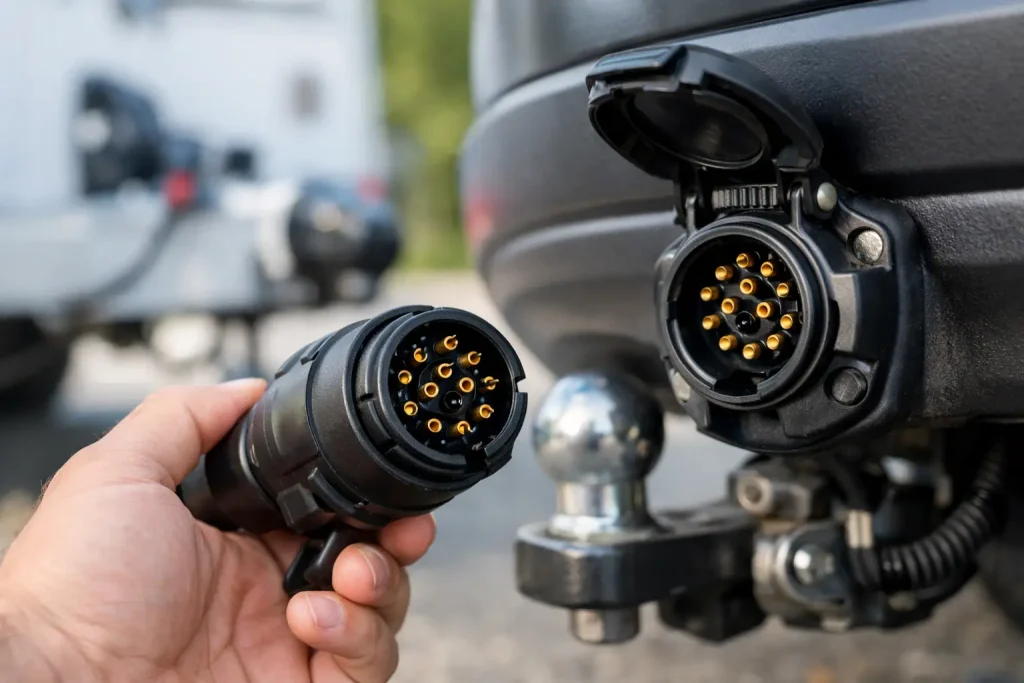
A 13 pin towing socket is the electrical connection mounted near the towbar that links your vehicle to whatever you are towing. It carries power and lighting signals from the car or van to the trailer, caravan or towball-mounted accessory.
Compared with the older 7 pin setup, the 13 pin version combines more functions into a single weather-sealed plug. That means you get the standard legal road lighting, but also extra feeds for features such as reversing lights, permanent power and switched power on suitable towing applications.
This matters most with caravans, newer trailers and vehicles with more advanced electrics. Modern towing is not just about making indicators flash. It is about making sure the whole system works correctly with the vehicle’s own electronics, lighting systems and safety features.
13 pin towing electrics explained by function
The easiest way to understand the 13 pin system is to look at what it is there to do. Some pins handle the core road light functions – indicators, tail lights, brake lights and fog light. These are the basics required for safe and legal towing on the road.
The extra pins provide the added functions that older 7 pin systems cannot offer on their own. These can include a reversing light feed, a permanent 12V supply and an ignition-switched 12V supply. On caravans, that can support battery charging or fridge operation while travelling. On some trailer setups, it simply gives more flexibility and a cleaner all-in-one connection.
The exact use of the power feeds depends on the trailer or caravan and on how the electrics have been fitted. That is where proper installation matters. A socket may physically connect, but if the wiring or coding is wrong, not every function will operate as intended.
Why 13 pin has become the standard
The main reason is practicality. Instead of using two separate plugs, as was common on some older caravan systems, a 13 pin plug keeps everything in one unit. It is more secure when connected, better protected against water and road dirt, and generally less awkward to use.
It also suits the way modern vehicles are built. Many cars and vans now use multiplex wiring systems, bulb failure monitoring and electronic control units that need the correct type of towing electrics fitted. A proper 13 pin vehicle-specific installation can work with these systems rather than fighting against them.
For drivers, that usually means fewer problems with warning lights, fewer electrical faults and a setup that feels like part of the vehicle rather than an afterthought.
7 pin or 13 pin – which one do you need?
It depends on what you tow.
If you only tow a small basic trailer, such as a general-purpose trailer or a simple lighting board, a 7 pin setup may still be enough because it covers the core road lighting functions. If you tow a caravan, a newer trailer, or anything that needs reversing lights or auxiliary power, 13 pin is usually the better choice and often the expected one.
There is also the question of future-proofing. Some drivers start with a basic trailer and later move on to a caravan or a more specialised setup. In that case, fitting 13 pin electrics from the start can make sense. It avoids having to upgrade later and gives more flexibility.
That said, there is no point paying for functions you will never use if your towing needs are very simple. The right answer depends on the vehicle, the trailer and how you use it.
Adapters can help, but they are not always the best long-term answer
Adapters are useful when the socket on the vehicle and the plug on the trailer do not match. For example, you might have a vehicle with 13 pin electrics and an older trailer with a 7 pin plug. In many cases, an adapter will let the lighting work perfectly well.
What an adapter does not do is magically create functions that are not present on the trailer or fully replace the benefit of a correctly matched system. If the trailer only supports basic lights, that is all you will get. If the setup is used frequently, adapters can also become another point of wear, water ingress or connection trouble over time.
For occasional use, an adapter can be a practical fix. For regular towing, especially with caravans or working trailers, a properly matched plug and socket arrangement is often the better option.
Why professional fitting matters on modern vehicles
This is where towing electrics have changed a lot. On older vehicles, wiring could often be taken from rear light circuits in a fairly straightforward way. On many modern vehicles, that approach is no longer suitable.
Newer cars and vans often need vehicle-specific wiring kits, dedicated modules and, in some cases, coding or programming so the towing electrics communicate correctly with the vehicle. That can affect trailer stability systems, parking sensors, rear fog light switching and dashboard warnings.
Poor fitting can lead to a range of problems – warning messages on the dash, lights not working properly, battery drain, sensor faults or damage to sensitive vehicle electronics. This is why hands-on workshop experience matters. A proper installation is not just about getting current to the socket. It is about making sure the vehicle and trailer system work together safely.
Common problems drivers notice with 13 pin towing electrics
Most faults come down to wear, corrosion, damage or wiring issues rather than the 13 pin system itself. A trailer plug can be knocked, pins can get dirty, or moisture can affect the contacts. On the vehicle side, poor-quality installation or an incorrect wiring kit can create more persistent faults.
Typical signs of trouble include intermittent lights, one function not working, blown fuses, warning lights on the dashboard or a caravan battery not charging as expected. Sometimes the issue is the vehicle. Sometimes it is the trailer. Sometimes it is simply a plug that has not been connected and locked correctly.
Because towing electrics involve both the towing vehicle and the trailer, fault-finding needs a methodical approach. Swapping parts at random usually wastes time and money.
What to look for if you are booking a towbar and electrics fitting
The key thing is to make sure the electrics are suited to both your vehicle and your towing needs. If you tow a caravan, say so. If you use a commercial trailer every week, say so. If you only need basic lighting for occasional use, that matters too.
A good fitter should ask what you tow, whether your vehicle needs dedicated electrics, and whether parking sensors, trailer stability features or other vehicle functions need to be taken into account. The best setup is not always the cheapest one on paper, but it is the one that works properly and avoids repeat visits.
At Doncaster Towbars, this is exactly why fittings are approached as a complete job rather than just bolting on a towbar and adding a socket. The towbar, the electrics and the vehicle all need to suit each other.
13 pin towing electrics explained in practical terms
If you want the simplest version, here it is. A 13 pin socket gives you the standard road lights plus extra electrical functions in one secure connection. It is cleaner than older twin-plug systems, better suited to modern vehicles and usually the right choice for caravans and many newer trailers.
If your towing is basic, 7 pin may still do the job. If you want a setup that covers more uses and matches current vehicle and trailer standards more closely, 13 pin is often the sensible option. The important part is not only the plug type, but whether it has been fitted correctly for your vehicle.
If you are not sure what your car, van, trailer or caravan needs, the safest next step is to ask before anything is fitted. A quick conversation can save a lot of frustration later, especially when your towing setup needs to work first time on a wet morning with a trailer already loaded.