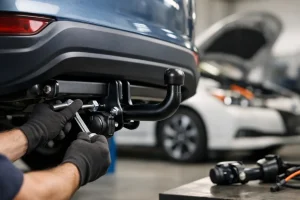
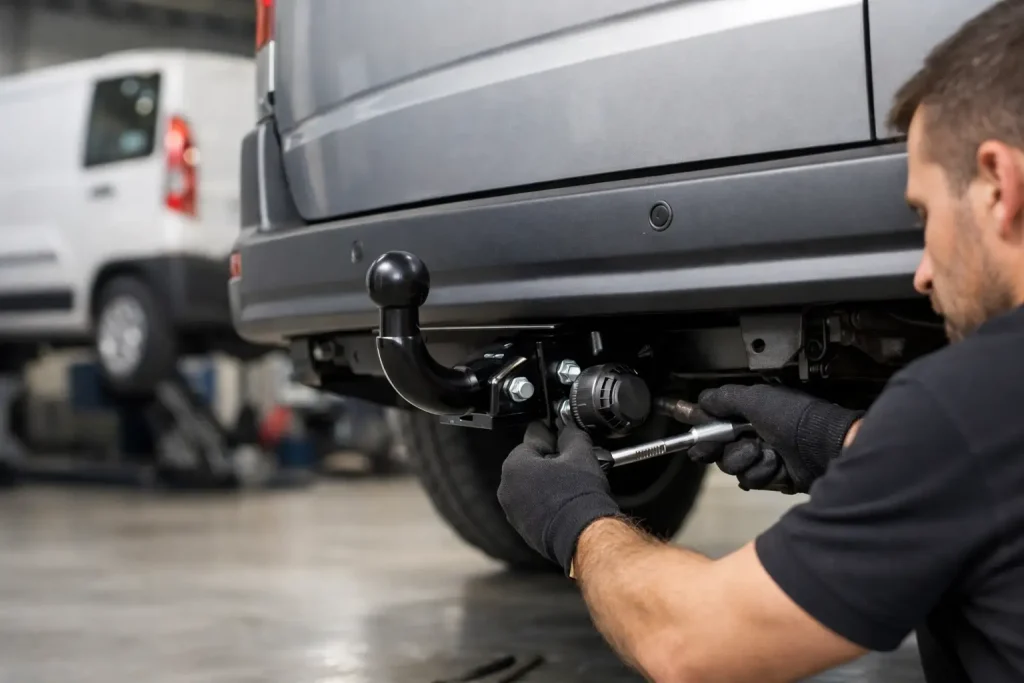
A van that needs to tow for work cannot afford guesswork. Whether you are moving tools, towing plant, carrying stock on a trailer or using a van for leisure, towbar fitting for vans needs to be matched properly to the vehicle, the load and the electrics. Get that right and the van works harder for you. Get it wrong and you can end up with poor towing performance, electrical faults or a setup that simply is not suitable for the job.
Why towbar fitting for vans is different
Van towbar fitting is not quite the same as fitting a towbar to a family car. Commercial vehicles are often expected to tow heavier loads, cover more miles and cope with tougher day-to-day use. They may also have rear steps, barn doors, racking, converted interiors or business-specific equipment that affects the fitting.
That means the right answer is rarely just “fit a towbar”. The fitter needs to look at the make and model, the gross train weight, the towing capacity, the rear body configuration and the type of trailer or equipment being pulled. A small van used for occasional light towing will not need the same setup as a long-wheelbase work van towing regularly through South Yorkshire and beyond.
Electrics matter just as much. Modern vans often use complex vehicle electronics, so trailer wiring needs to be installed in a way that works with the van rather than fighting against it. A proper fit should support trailer lighting correctly and, where required, work with vehicle-specific systems.
Choosing the right towbar for your van
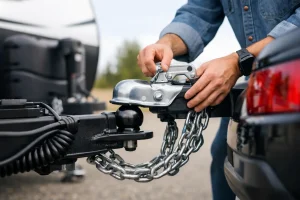
The best towbar depends on how the van is used. For many tradespeople and business owners, a fixed flange towbar is the practical choice. It is strong, straightforward and well suited to regular towing. It also allows for accessories where compatible, which can be useful on working vehicles.
A swan neck towbar can suit some vans where a neater appearance or different clearance is preferred, but suitability depends on the model and intended use. On some commercial vehicles, function matters more than looks, and the decision comes down to access, towing frequency and what the trailer coupling needs.
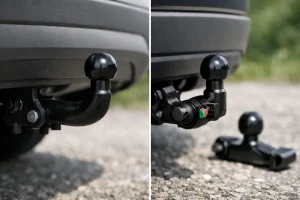
Detachable towbars are an option on certain vans, particularly where the vehicle has mixed business and personal use. They can be useful if rear access or appearance matters when not towing. Even so, they are not always the first choice for hard-working commercial use. If the towbar is going to be used daily, a fixed option is often the more practical route.
This is where proper advice saves time. The towbar itself has to be rated correctly, but it also needs to suit the van in the real world. Rear parking sensors, spare wheel position, bumper design and access around the back doors can all influence which type makes most sense.
Towbar electrics for vans
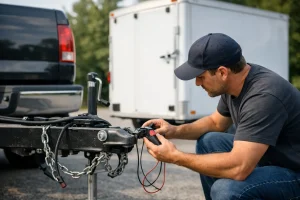
A towbar is only half the job. The electrics are what allow the trailer to communicate with the vehicle safely. If the lights are not working as they should, the setup is not road-ready.
There are two broad issues here. First, the socket and wiring need to match what you are towing. Second, the installation needs to be compatible with the van. Some vehicles can accept a more basic wiring approach, but many modern vans benefit from dedicated wiring kits that are designed for that specific model.
Vehicle-specific electrics can help avoid problems such as warning lights, incorrect bulb monitoring or unreliable trailer light operation. On newer vans, they may also be needed to support features linked to towing. It depends on the make, model and age of the vehicle, which is why an off-the-shelf answer is rarely the best one.
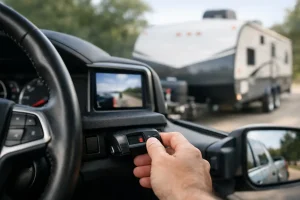
For customers towing caravans, plant trailers, box trailers or work equipment, it is worth checking exactly what electrical functions are needed before anything is fitted. A van used to tow different trailers across the week may need a more considered setup than one towing a single, simple trailer now and then.
What professional van towbar fitting should include
A proper fitting service starts before any tools come out. The vehicle should be checked for towing suitability, the intended use should be discussed and the towbar should be selected based on vehicle data rather than guesswork.
The installation itself should be secure, neat and model-specific. On many vans that means using the correct mounting points, fitting approved components and routing wiring carefully so it is protected from damage and weather. Cutting corners on a commercial vehicle tends to show up later, usually when the van is busy and downtime is the last thing you need.
Testing matters as well. Once fitted, the towbar and electrics should be checked thoroughly so the driver leaves with confidence that the trailer connection is working as it should. This is especially important for vans that earn their keep. A poorly fitted towbar is not just inconvenient. It can affect safety, compliance and the ability to get on with the job.
Common mistakes with towbar fitting for vans
One of the biggest mistakes is assuming all vans in a model range are the same. They are not. Different wheelbases, body styles, factory options and trim levels can affect towbar compatibility and electrical requirements.
Another common issue is focusing only on the towbar and ignoring towing limits. The van may be physically able to take a towbar, but that does not mean it is rated to tow every trailer you have in mind. Payload, towing capacity and gross train weight all need to be understood together.
There is also the temptation to choose the cheapest option available. That can work out badly if the towbar does not suit the job or the wiring causes electrical faults later on. For a van owner, value is not about paying the least upfront. It is about getting a setup that works properly, lasts well and does not create problems.
Which van owners benefit most from a fitted towbar?
For some people, a towbar is occasional-use equipment. For others, it is part of the working day. Tradespeople often need trailers for tools, waste, machinery or materials. Small businesses may use a van and trailer combination to avoid stepping up to a larger vehicle too soon. Leisure users might tow a camping trailer, motorcycle trailer or small caravan while still needing the practicality of a van the rest of the time.
The key point is that the fitting should reflect the actual job. A courier van that only occasionally tows light loads has different priorities from a builder’s van towing equipment every week. Both need safe installation, but not necessarily the same towbar type or electrical arrangement.
Local fitting makes a practical difference
Using a specialist local workshop makes it easier to get advice that is relevant to your vehicle and how you use it. Instead of a generic boxed product, you get a towbar and wiring setup chosen for that exact van. If you also need trailer servicing, trailer repairs, parking sensors or dash cam fitting, it helps to deal with a team that understands the wider picture rather than just one part of it.
That practical support matters after fitting too. If your towing needs change, if you buy a different trailer or if a fault needs tracing, having access to experienced fitters is far more useful than trying to piece together answers after the event. That is why many van owners prefer using a specialist such as Doncaster Towbars rather than treating towbar fitting as a quick add-on.
Getting your van ready to tow
Before booking, it helps to know what you plan to tow, how often you will use it and whether the van already has any rear accessories or electrical modifications. If you are not sure about towing limits, a professional fitter can advise based on the vehicle details. It is better to ask those questions at the start than discover later that the original plan was too optimistic.
If the van is a key part of your work, timing matters as well. A properly booked fitting minimises disruption and gives you a clearer idea of what is being installed and why. That keeps the process straightforward and avoids unnecessary downtime.
A towbar should make your van more useful, not more complicated. When the fitting is chosen properly, installed correctly and tested thoroughly, you end up with a setup that works first time and keeps working. If you are considering towbar fitting for vans, the sensible next step is to speak to a specialist workshop, explain what the van needs to tow and get a solution built around the vehicle rather than a one-size-fits-all part.