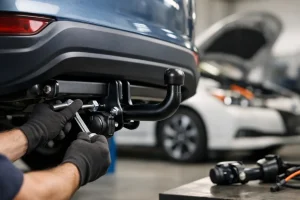
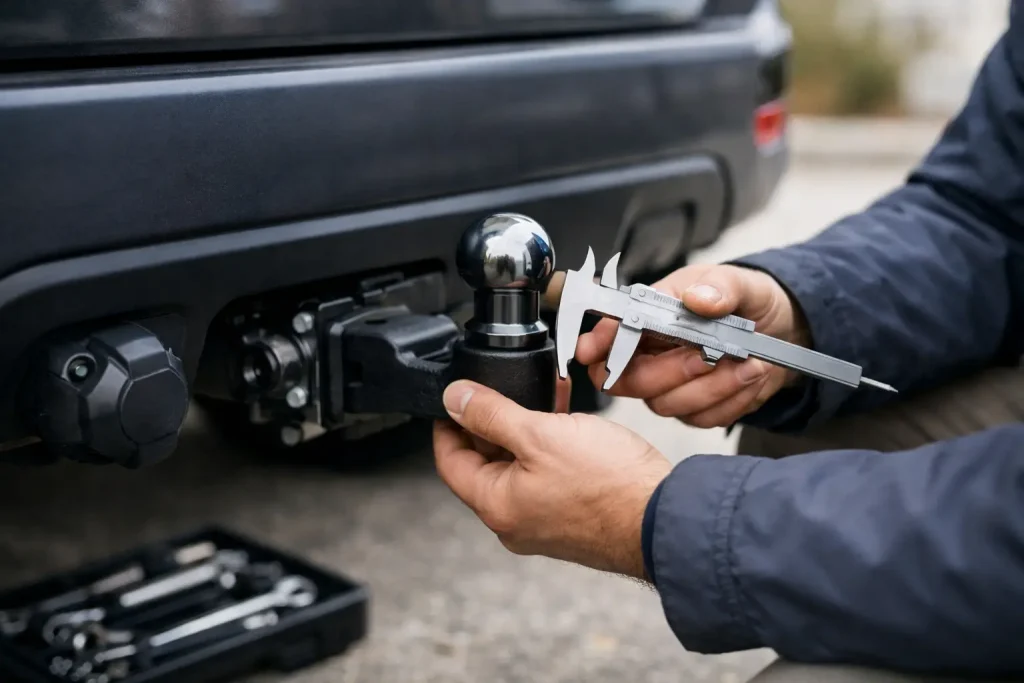
You do not want to find out a towbar is wrong for your vehicle after the bumper is off and the wiring is half fitted. If you are working out how to check towbar compatibility, the key is not just whether a bar physically bolts on. You also need to know whether your vehicle is approved to tow, what weight it can handle, which electrics it needs, and whether the towbar suits what you actually plan to pull.
For some drivers, that means towing a small trailer to the tip a few times a year. For others, it means a caravan, bike carrier, plant trailer or a work van that needs dependable towing every week. The right answer depends on the vehicle, the load and the way it will be used.
How to check towbar compatibility with your vehicle
The first place to start is the vehicle itself. Not every car, van or SUV has the same towing capacity, and some models are not approved for towing at all. Two versions of what looks like the same vehicle can have different limits depending on engine size, drivetrain, gearbox and factory specification.
Check the VIN plate or manufacturer information for the gross train weight and maximum authorised mass. This helps confirm whether the vehicle is rated to tow and what its upper limit is. If there is no train weight shown, that can be a sign the vehicle is not type approved for towing.
You should also look at the handbook, because towing figures can vary across model years and trims. A diesel SUV may be suitable for a larger caravan, while the smaller petrol version of the same model might be much more limited. This is where assumptions catch people out.
Physical fitment matters as well. Towbars are designed around specific body shapes, mounting points and bumper arrangements. A hatchback, estate and SUV in the same model family may all need different towbar designs. Even features such as an AdBlue tank, spare wheel layout or rear styling pack can affect what fits cleanly.
Towbar compatibility is not just about size
A common mistake is thinking any towbar that fits the vehicle will do the job. In practice, compatibility means matching the towbar type to the way the vehicle is used.
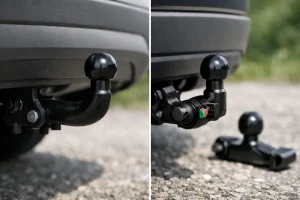
If you need regular towing, a fixed towbar often makes sense. It is practical, sturdy and ready to use. If you want a cleaner look when not towing, a detachable or retractable option may suit you better. Neither is automatically better in every case. A fixed bar is often the straightforward choice for tradespeople and frequent trailer users, while detachable systems appeal to drivers who want towing capability without a permanent visible bar.
Then there is the towball style. Standard flange and swan neck designs serve different purposes, and some accessories such as cycle carriers or towing attachments may suit one better than the other. Compatibility is about the whole setup, not just one metal component under the back of the car.
Check the towbar’s weight ratings
Every towbar has its own rated limits, and those figures must match the vehicle and intended use. The vehicle’s towing limit is one part of the picture, but the towbar itself must also be approved for the loads involved.
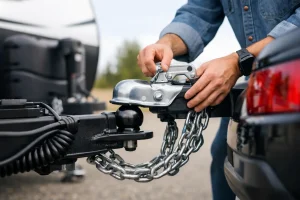
Pay attention to maximum towing weight and nose weight. Nose weight is especially important with caravans, trailers and rear-mounted carriers. If the nose weight is wrong, stability and handling can suffer. Too little can cause snaking, while too much can overload the rear axle or the towbar assembly.
The safe working limit is always the lowest-rated part of the chain. That means if the vehicle can tow more than the bar is rated for, you still work to the towbar limit. If the bar is stronger than the vehicle, you still work to the vehicle limit.
How to check towbar compatibility with electrics
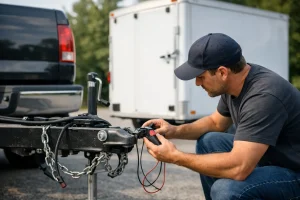
Modern towing is as much about wiring as it is about metalwork. On older vehicles, electrics could be fairly simple. On newer cars and vans, the wiring often needs to communicate properly with the vehicle’s onboard systems.
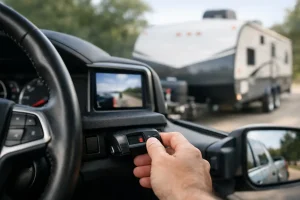
That includes trailer lighting, indicators, brake lights and, in many cases, systems such as trailer stability control, parking sensor deactivation and bulb failure monitoring. If the electrics are not matched correctly, you can end up with warning lights, non-functioning trailer lamps or systems that do not behave as they should.
A universal wiring kit may work for some vehicles, but many modern models benefit from a dedicated vehicle-specific kit. That usually gives a neater, more reliable result and better integration with factory electronics. It can also matter for warranty, coding and long-term fault finding.
7-pin or 13-pin?
This is another area where it depends on what you tow. A 7-pin socket is commonly used for basic trailer lighting. A 13-pin system supports additional functions such as reverse lights and power supplies often needed for caravans.
If you only tow a simple utility trailer, 7-pin may be enough. If you tow a caravan or anything needing extra electrical functions, 13-pin is usually the better fit. Choosing the wrong socket does not always mean starting from scratch later, but it can add avoidable cost and complication.
Vehicle features that can affect compatibility
Some vehicles need more careful assessment than others. Rear parking sensors, powered tailgates, underbody trims and driver-assistance systems can all influence towbar selection and fitting.
For example, parking sensors may need coding or adjustment so they do not constantly detect the towbar. On some cars, bumper cuts are visible; on others, they are hidden underneath. Hybrid and electric vehicles can be especially model-specific. Some are approved to tow, some have strict limits, and some are not designed for towing at all.
Commercial vans also need a closer look when they carry tools, stock or equipment. Payload and towing capacity interact, and overloading is easier than many people realise. A van that can tow well on paper may be working very differently once it is loaded for the day’s jobs.
What you plan to tow matters just as much
A towbar can be technically compatible with the vehicle and still be the wrong choice for your real-world use. That is why it helps to define the job before fitting anything.
A small garden trailer, a twin-axle caravan and a bike rack all place different demands on the vehicle and towbar. If you tow occasionally on local roads, your setup may differ from someone doing long motorway journeys with a loaded caravan. Stability, nose weight, electrical requirements and convenience all start to matter more as usage becomes heavier or more frequent.
If you are carrying bikes rather than towing a trailer, you still need to check towbar and vehicle ratings. People often assume a bike carrier is a lighter-duty option with fewer rules, but the combined weight of the carrier and bikes still counts on the towball.
When professional advice saves time
There is plenty of information available online, but compatibility checks can become messy quickly once you get into exact model variants, factory options and vehicle-specific electrics. A proper workshop check usually clears things up faster than comparing part numbers and hoping for the best.
A specialist fitter can confirm whether your vehicle is approved to tow, identify the correct towbar type, check rated limits and recommend the right wiring kit for the vehicle and the trailer or caravan you intend to use. That is especially helpful if your vehicle has modern safety systems or if you are unsure whether a detachable, fixed or specialist setup is the better choice.
At Doncaster Towbars, this is the sort of practical check we deal with every day. It is not about fitting the first bar that appears to match a registration number. It is about making sure the full towing setup works safely, legally and properly for the way you drive.
A quick way to avoid the common mistakes
If you want a simple rule, do not judge towbar compatibility by appearance alone, by a friend’s similar vehicle, or by the cheapest part available. Start with the exact vehicle details, confirm towing approval and limits, match the towbar ratings, then make sure the electrics suit both the vehicle and what you are towing.
That approach avoids most of the problems people run into later – poor fit, warning lights, overloaded nose weights, unsuitable sockets or a setup that works on paper but not in daily use.
If you are unsure, ask before buying. A short conversation with an experienced fitter is usually far cheaper than correcting the wrong towbar after the fact. The best towing setup is the one that fits your vehicle properly, does the job safely and gives you confidence every time you hitch up.