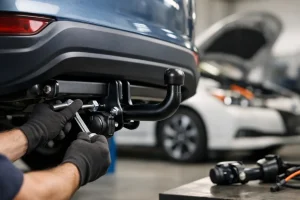
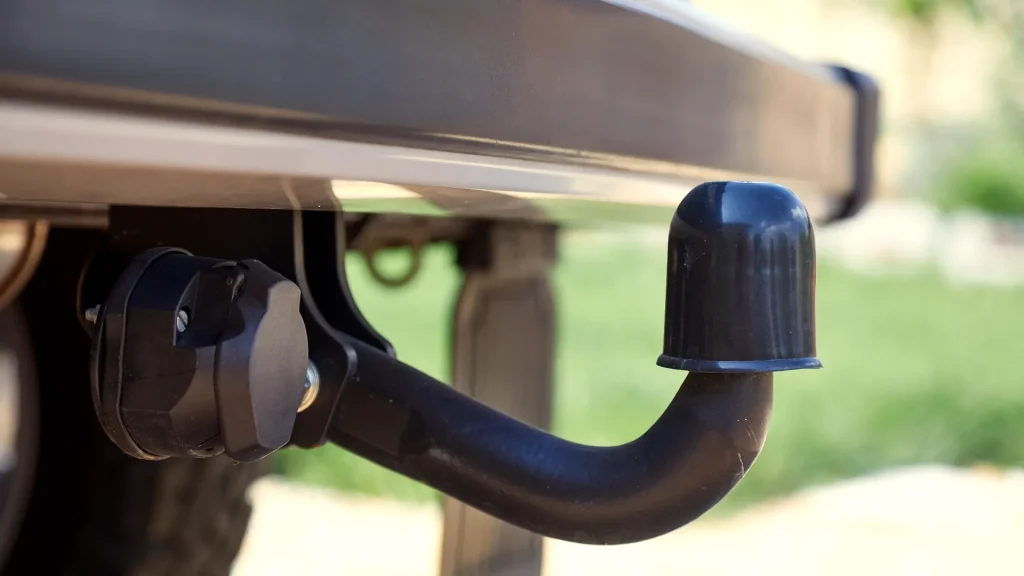
When you install a towbar on your vehicle, you open up a world of possibilities for towing. Whether you’re planning a family holiday, a move, or just need to transport equipment, understanding what you can tow safely is crucial. This guide explores the various items you can tow with a towbar, safety considerations, and some practical tips to enhance your towing experience.
Understanding Towing Capacity
Before diving into the types of items you can tow, it’s essential to understand your vehicle’s towing capacity. The towing capacity is the maximum weight your vehicle can safely tow and is specified by the manufacturer. Exceeding this limit can cause damage to your vehicle and pose significant safety risks. Always refer to your vehicle’s manual to find its towing capacity and ensure you adhere to it.
Common Items You Can Tow
1. Caravans
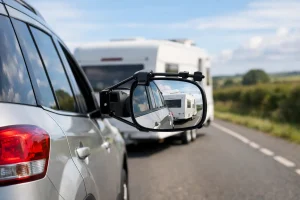
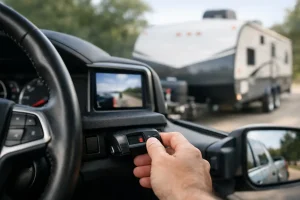
One of the most popular items to tow with a towbar is a caravan. Caravanning offers flexibility and comfort for holidays, allowing you to travel with your accommodation. When towing a caravan, ensure it doesn’t exceed your vehicle’s towing capacity. Additionally, proper loading and weight distribution are vital to prevent sway and ensure a stable towing experience.
2. Trailers
Trailers come in various shapes and sizes, from small utility trailers to larger enclosed trailers. They are versatile and can be used for transporting gardening equipment, motorcycles, furniture, and more. Ensure the trailer is well-maintained and fitted with working lights and brakes if necessary.
3. Boat Trailers
For boating enthusiasts, a towbar allows you to transport your boat to and from the water. Boat trailers are designed to carry the weight of the boat and distribute it evenly. It’s crucial to secure the boat properly to the trailer and ensure that the trailer’s brakes and lights are functioning correctly.
4. Horse Trailers
Horse trailers are specifically designed to transport horses safely and comfortably. They are built to accommodate the weight and size of horses, providing ventilation and security during transit. Always check the trailer for stability and the condition of the tyres and brakes before setting off.
5. Camping Trailers
Camping trailers are a great option for those who enjoy outdoor adventures. They are smaller and lighter than caravans but still provide sleeping quarters and storage space for camping gear. Ensure your camping trailer is within the towing limits of your vehicle and is loaded correctly.
6. Bicycle Carriers
For cycling enthusiasts, a towbar can be used to mount a bicycle carrier. These carriers are designed to transport multiple bicycles securely. They are easy to install and remove, making them a convenient option for family cycling trips or competitive events.
7. Motorcycle Trailers
Motorcycle trailers are designed to transport one or more motorcycles. They are typically lightweight and easy to tow. Ensure the motorcycles are secured properly to prevent movement during transit and check the trailer’s condition before each use.
8. Jet Ski Trailers
Similar to boat trailers, jet ski trailers are used to transport jet skis to and from the water. They are designed to handle the weight and shape of jet skis, providing a stable and secure means of transport. Regular maintenance of the trailer is essential to ensure safety.
Safety Considerations
Towing any load comes with safety responsibilities. Here are some key considerations to ensure a safe towing experience:
1. Check Your Vehicle
Before towing, ensure your vehicle is in good condition. Check the brakes, tyres, and engine performance. A well-maintained vehicle is crucial for safe towing.
2. Load Distribution
Properly distribute the weight of the load. The heaviest items should be placed over the axle to maintain balance and stability. Uneven loads can cause sway and make the vehicle difficult to control.
3. Use the Right Equipment
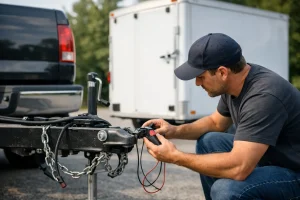
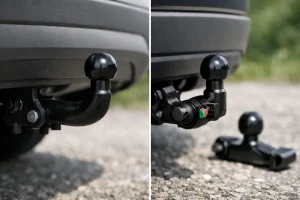
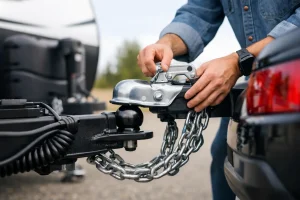
Ensure you have the correct towbar and hitch for your load. Different types of towbars are designed for different weights and purposes. Using the right equipment is vital for safety.
4. Regular Maintenance
Regularly inspect and maintain your towbar, trailer, and any other towing equipment. Look for signs of wear and tear, such as rust or damaged components, and address them promptly.
5. Observe Speed Limits
Towing a load affects your vehicle’s handling and braking. Observe speed limits and adjust your driving to account for the additional weight. Avoid sudden manoeuvres and maintain a safe distance from other vehicles.
6. Practice Towing
If you’re new to towing, practice driving with your load in a safe, open area. Get used to how your vehicle handles with the additional weight and practice reversing, as it can be challenging with a trailer.
Conclusion
A towbar significantly enhances your vehicle’s versatility, allowing you to tow a variety of items ranging from caravans and trailers to boats and motorcycles. Understanding your vehicle’s towing capacity and adhering to safety guidelines are paramount to a successful and safe towing experience. With the right preparation and equipment, you can enjoy the many benefits of towing, whether for leisure, work, or travel.