Reversing into a tight supermarket bay is one thing. Backing a van up to a customer’s gate, manoeuvring an SUV on a crowded estate, or parking a family car with poor rear visibility is where a proper sensor kit starts to earn its keep. If you are searching for parking sensors fitted near me, you are usually not looking for gimmicks. You want something that works every day, gives clear warnings, and is fitted properly the first time.
Parking sensors are one of the most practical upgrades you can make to a vehicle. They help reduce those low-speed bumps that damage bumpers, crack paint, and turn a simple parking mistake into an insurance claim or repair bill. For many drivers, they also take the stress out of manoeuvring in tight spaces, especially in larger cars, vans, and vehicles used for towing.
Why drivers look for parking sensors fitted near me
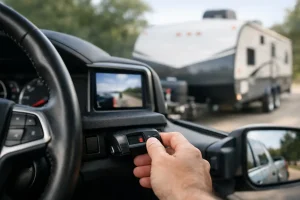
Most people start looking locally after one of two things happens. Either they have bought a vehicle without sensors and quickly realised visibility is not as good as expected, or they have had a minor knock and decided not to risk a repeat. Tradespeople often feel it first in vans with limited rear vision. Caravan and trailer users feel it when lining up or moving carefully in busy car parks. Families feel it when parking around schools, kerbs, bollards, and low walls.
The main reason to choose a local fitting service rather than a generic kit off the shelf is simple – fitting quality matters. A sensor system is only as good as its placement, wiring, calibration, and integration with the vehicle. Poorly fitted sensors can give false alerts, miss obstacles, look untidy in the bumper, or create electrical faults that are more trouble than the original problem.
A professional fitting service gives you something much more useful than just a box of parts. You get advice on the right system for the vehicle, neat installation, correct positioning, and the reassurance that the system has been tested properly before the vehicle leaves the workshop.
What type of parking sensors are available?
Not every vehicle needs the same setup. The right choice depends on how you use the vehicle, the size of it, and how much help you want when manoeuvring.
Rear parking sensors
Rear sensors are the most common option and, for many drivers, the most useful. They help when reversing into bays, approaching walls, or edging back towards posts and other vehicles. If your main concern is avoiding rear bumper damage or making everyday parking easier, rear sensors are often the sensible starting point.
Front and rear parking sensors
For larger vehicles, or for drivers who regularly park in tight spaces, front and rear sensors give better all-round coverage. Front sensors are especially useful on cars with high bonnets, SUVs, and vans where judging the front edge can be awkward. They also help avoid damage from low obstacles that are hard to see from the driver’s seat.
Audible and visual warning systems
Some kits use a buzzer with changing tones as you get closer to an obstacle. Others include a visual display that shows distance and direction. Neither is automatically better in every case. An audible-only system can be clean and simple, while a display can be more useful if you want clearer left-right guidance. It depends on driver preference and how the vehicle is used day to day.
Flush-fit and colour-coded sensors
Appearance matters more than many people think. A good installation should not look like an afterthought. Flush-fit sensors that are colour matched to the bumper tend to give the neatest factory-style finish. If you want the upgrade to blend into the vehicle properly, that is usually the best route.
Why professional fitting makes a real difference
Parking sensor installation sounds straightforward until you get into the details. The bumper has to be drilled accurately. Sensor heads need to be level and positioned at the correct height and spacing. Wiring must be routed safely and cleanly. On modern vehicles, care is needed around trim, bodywork, and electrics.
This is where experience shows. A workshop that regularly fits aftermarket vehicle equipment understands how to install components neatly without making a mess of the bumper or causing avoidable issues behind the panels. It also knows when a standard kit is not the best option and when a vehicle-specific approach will give a better result.
There is also the question of reliability. Cheap DIY kits can be tempting, but they often fall down on consistency. False beeping in rain, poor object detection, or untidy displays mounted as an afterthought are common complaints. A professionally fitted system should feel like a practical enhancement, not something you have to work around.
What to expect when you book parking sensors fitted near me
A good fitting service should start with the vehicle, not the product. The installer will usually look at the make and model, bumper shape, use case, and whether you want rear only or front and rear coverage. If you tow, carry tools, use a van for work, or regularly park in awkward areas, that should all be part of the conversation.
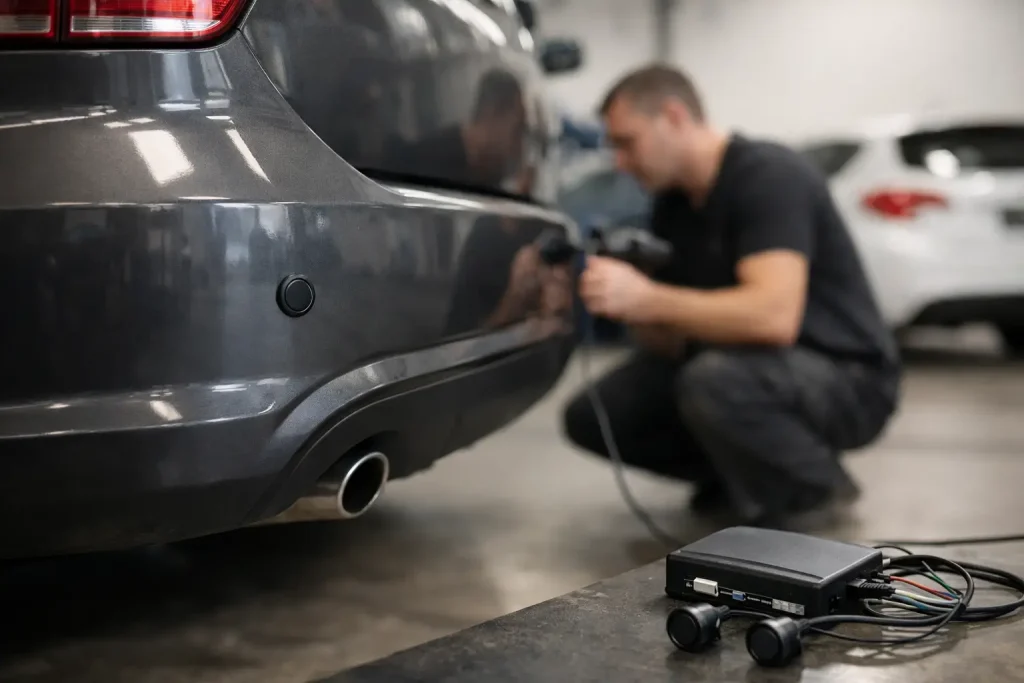
From there, the right kit can be recommended and the best sensor positions planned. The bumper may need to be removed depending on the vehicle and the chosen system. Holes are drilled carefully, the sensors are fitted, and the wiring is routed to the control unit and warning display or buzzer. The system is then tested so that distance warnings work as they should.
A proper installation should leave the vehicle looking tidy, with no loose wiring, poorly aligned sensors, or badly fitted trim. That final finish matters. Customers notice it straight away, and so does anyone valuing the vehicle later.
How much do fitted parking sensors cost?
Cost depends on the type of system, the number of sensors, the vehicle itself, and the complexity of the fitting. A straightforward rear sensor installation on a common car will usually cost less than a front and rear system fitted to a larger van or SUV with more involved trim removal and wiring.
It is worth being realistic here. The cheapest quote is not always the best value if the finish is poor or the system proves unreliable. Equally, the most expensive option is not automatically necessary. What matters is getting a setup that suits the vehicle and the way you drive it.
If you use your vehicle every day for work, carry expensive tools, or regularly park in tight spaces, even a modestly priced sensor system can pay for itself by helping avoid one bumper repair. If you tow or use a larger family vehicle, the benefit is often just as much about confidence as cost.
Choosing the right installer in Doncaster
When you are comparing local options, look beyond the words “fitted while you wait” or “low-cost sensors”. Ask whether the installer works regularly with vehicle electrics and aftermarket equipment. Ask what finish you can expect, whether colour-coded options are available, and what type of warning system is included.
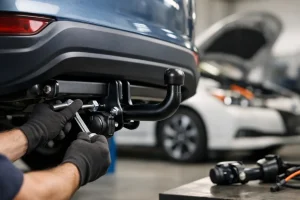
It also helps to choose a workshop that understands more than one type of vehicle use. A motorist parking in town, a tradesperson driving a van, and a caravan owner manoeuvring with a towbar fitted may all need something slightly different. That practical understanding tends to lead to better recommendations and fewer compromises.
A specialist workshop like Doncaster Towbars is built around that kind of hands-on fitting work, which matters when you want the job done neatly and safely rather than simply done quickly.
Are parking sensors always the best option?
In many cases, yes, but not always on their own. Some drivers benefit from pairing sensors with a reversing camera, especially on larger vehicles or where rear visibility is especially restricted. Sensors are excellent for distance warnings, while a camera gives a visual view of what is behind you. Used together, they can make manoeuvring far easier.
That said, sensors on their own are still a strong upgrade for most vehicles. They are effective, discreet, and simpler than more complex systems. If your main goal is to reduce the risk of low-speed bumps and make parking less stressful, they usually offer very good value.
It is also worth saying that sensors are an aid, not a substitute for careful driving. Dirt, heavy rain, awkward obstacle shapes, and unusual angles can all affect how any system performs. A good installer will be clear about that rather than overselling what the kit can do.
When is the right time to have sensors fitted?
Usually sooner than you think. Many drivers put it off until after a scrape or dent, but sensors are one of those upgrades that make the most sense before there is damage to repair. They are particularly useful when you have changed vehicle, started towing, moved to a larger car, or begun using a van more heavily for work.
If parking has become something you dread, or if you find yourself second-guessing distances in tight spots, that is normally enough reason to act. The right sensor system does not need to be flashy. It just needs to be dependable, clear, and fitted properly.
If you are looking for parking sensors fitted near me in Doncaster or the surrounding area, focus on quality of fitting as much as the kit itself. A well-installed system should feel like it belonged on the vehicle all along – and every time you reverse into a tight space without that familiar worry, you will know it was money well spent.