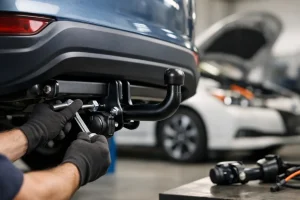

If your van earns its keep, a towbar is not just another accessory. It needs to be right first time. This guide to van towbar fitting is for tradespeople, business owners and everyday drivers who need a towing setup that works properly, handles the load safely and matches the van it is going on.
A lot of problems start when people assume one towbar fits every job. In reality, van towbar fitting depends on what you are towing, how often you tow, your van’s make and model, and the electrics required to keep everything legal and reliable. A small trailer for occasional tip runs places different demands on a van than a plant trailer, a horsebox or a loaded caravan.
What van towbar fitting actually involves
Proper towbar fitting is more than bolting a bar underneath the rear of the van. The installation has to suit the vehicle structure, towing capacity and electrical system. On modern vans, the wiring side is often just as important as the metalwork.
A correct fit starts with identifying the right towbar for the van. That includes checking the manufacturer’s towing limits, the noseweight limit, bumper design and whether vehicle-specific electrics are needed. Once the right parts are selected, the towbar is mounted to approved fixing points, torqued correctly and checked for clearance around the bumper, doors and parking sensors where fitted.
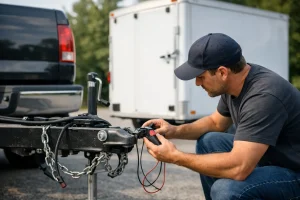
The electrical installation then needs to be completed to suit the trailer or caravan being towed. On newer vans, this may involve dedicated wiring kits that communicate properly with the vehicle’s onboard systems. That can affect trailer lights, stability systems, bulb failure warnings and parking sensor behaviour.
A guide to van towbar fitting choices
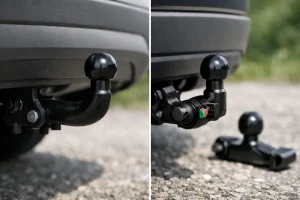
The first decision is usually the towbar type. For most vans, that means choosing between a fixed flange towbar, a fixed swan neck towbar or a detachable option where available.
A fixed flange towbar is a common choice on working vans because it is practical and versatile. It allows for accessories such as bumper protectors, cycle carriers and towballs with different heights or ratings where suitable. For commercial use, it is often the straightforward option.
A swan neck towbar has a cleaner look and can suit vans where appearance matters or where a specific trailer coupling works better with that shape. It is less adaptable for extra bolt-on accessories, so whether it is the best option depends on how the van is used.
A detachable towbar can appeal if rear access, sensor visibility or appearance is a priority. That said, for many hard-working vans, simplicity and day-to-day durability matter more than a hidden finish. It depends on whether the van is mainly a work vehicle, a dual-purpose family vehicle, or part of a business fleet.
Why the electrics matter as much as the towbar
This is where many towing setups either perform properly or become a nuisance. Trailer electrics are not an add-on to think about afterwards. They are central to safe towing.
Most vans will need either 7-pin or 13-pin electrics. A 7-pin system covers standard trailer road lights. A 13-pin setup adds the extra functions typically needed for caravans and some modern trailers, such as reverse lights and supplementary power.
The bigger question is usually universal wiring or vehicle-specific electrics. Universal kits can work on older vehicles in the right circumstances, but many modern vans are far better served by dedicated electrics. These kits are designed for the vehicle and help avoid issues with warning lights, sensor faults and lighting errors.
On some models, proper coding or system setup may also be required after fitting. That is one reason professional installation makes sense. A towbar that looks secure but interferes with the vehicle electronics is not a finished job.
Safety and legal points you should not ignore
A van towbar fitting needs to be safe, but it also needs to keep you on the right side of the law. That starts with the towing limits set by the vehicle manufacturer. If the van is not rated to tow a certain load, fitting a heavy-duty towbar does not change that.
You also need to consider gross train weight, axle loads and noseweight. Overloading is one of the quickest ways to create handling problems, brake wear and unnecessary risk. Even a correctly fitted towbar cannot compensate for a poorly loaded trailer.
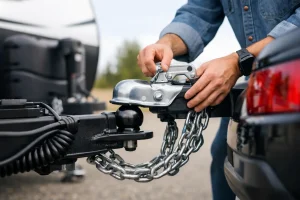
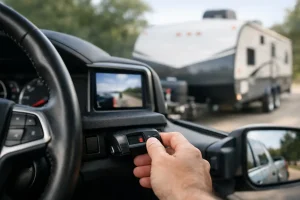
Lighting must work as it should, the number plate must remain visible, and the towball height and coupling arrangement need to be suitable for the trailer. If the van has rear parking sensors or camera systems, these may need adjustment so they do not react constantly to the towbar.
For business users, reliability matters just as much as compliance. Downtime caused by a wiring fault or poor fitting can cost far more than getting the job done properly at the outset.
DIY or professional fitting?
Some older vans with simpler electrics can look tempting as a DIY towbar project. If you are mechanically experienced, have the right equipment and understand the electrical side, it may be possible in some cases. Even then, there is not much margin for guesswork.
Modern vans are different. Bumpers, undertrays, reinforcement points, parking sensors and multiplex wiring systems all add complexity. A fitting that is slightly out can lead to poor alignment, rattles, electrical faults or damage to trim and bodywork.
Professional fitting removes that uncertainty. The towbar is matched to the vehicle, fitted to specification and tested properly. That matters whether you tow once a month or every working day. It also gives you a clearer answer if you need advice on trailer electrics, accessories or load suitability rather than trying to piece it together yourself.
Common mistakes with van towbar fitting
The most common mistake is choosing a towbar based on price alone. Cheap parts and generic wiring can seem like a saving, but they often lead to poor fit, recurring faults or a setup that does not suit the van’s actual job.
Another issue is ignoring the electrics until the end. Customers sometimes know they need a towbar but are less sure whether they need 7-pin or 13-pin, bypass relays, coding or dedicated kits. Sorting that out before fitting avoids a lot of frustration.
There is also the practical side. Rear step bumpers, barn doors, parking sensors and fleet use can all affect what works best. A good towbar fitting is not just technically correct. It should also make daily use of the van easier rather than more awkward.
How to choose the right setup for your van
Think first about what you actually tow, not what you might tow once in five years. If it is mainly a standard trailer for tools, waste or equipment, a fixed flange towbar with the right electrics is often the sensible route. If the van is used for mixed personal and business use, appearance and rear access may carry more weight.
Next, think about frequency. Occasional towing and daily towing are not the same. A van that tows regularly benefits from a setup chosen for durability, straightforward connection and dependable electrics. If the trailer is a key part of your working day, reliability is the priority.
Finally, choose a fitter who understands both towbars and vehicle-specific electrics. That combination matters. A workshop that only treats the towbar as a metal fitting can miss the electrical detail that modern vans require.
Getting the job done properly
A proper guide to van towbar fitting should leave you with one clear point. The best setup is the one that suits your van, your trailer and the way you actually use them. There is no single best towbar for every driver.
For van owners in and around Doncaster, getting advice from a specialist workshop can save time, avoid expensive mistakes and make sure the finished installation is safe and ready for work. If you are unsure what your van needs, it is worth asking before any parts are ordered. A short conversation at the start usually leads to a far better result than fixing the wrong setup later.
When your van is there to carry tools, tow equipment or support your business, the towbar should feel like part of the vehicle from day one – secure, tested and ready to get on with the job.