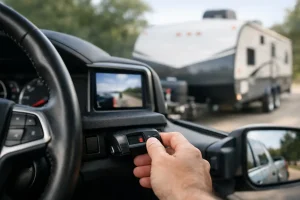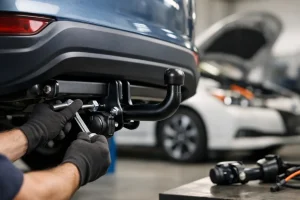
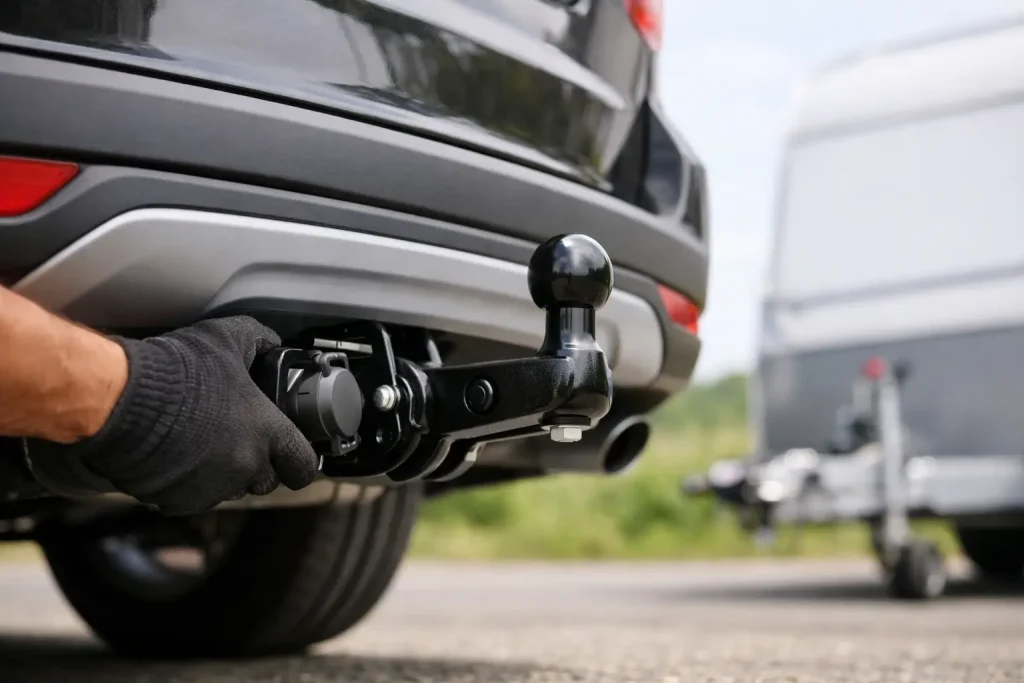
The problems usually start after the towbar has been bolted on. A warning light appears on the dash, the trailer board does not behave properly, or the rear parking sensors scream every time reverse is selected. That is where the real benefits of professionally fitted towbars become clear. A towbar is not just a lump of metal fixed to the back of a vehicle. It is part of a towing system that needs to suit the car, the electrics, and the job you expect it to do.
For some drivers, that job is occasional tip runs with a small trailer. For others, it is regular caravan towing, carrying bikes, or using a van for work across South Yorkshire. In every case, the fitting matters just as much as the towbar itself.
Why the fitting matters as much as the towbar
Modern vehicles are far more complex than they used to be. Rear parking sensors, reversing cameras, LED lighting, stability systems and vehicle-specific wiring all affect how a towbar should be installed. A poor fit can cause anything from nuisance faults to genuine safety issues.
Professional fitting means the towbar is matched to the vehicle properly, mounted to the correct points, and installed with the right electrics for that model. It also means the finished setup is checked so that towing lights, socket functions and related vehicle systems work as they should.
That is a major difference between simply buying a part and having a towing setup that is ready to use with confidence.
The safety benefits of professionally fitted towbars
Safety is the first reason most people choose professional installation, and rightly so. A towbar has to deal with serious loads under braking, cornering and uneven road surfaces. If the wrong towbar is chosen, or if it is fitted incorrectly, the strain on the vehicle can be significant.
A professional fitter checks the vehicle’s towing capacity, noseweight limits and compatibility before the work starts. That helps avoid common mistakes, such as fitting a setup that does not match the intended trailer or using electrics that are too basic for the job.
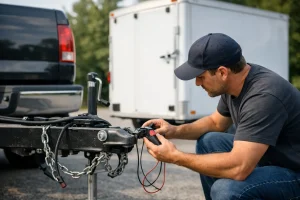
The wiring side is just as important. Trailer indicators, brake lights, tail lights and fog lights all need to operate correctly. On some vehicles, the towing electrics should also interact properly with built-in safety systems. If that side is ignored, you may not notice a problem until you are already on the road.
Correct fitting points and load handling
Towbars are designed to mount to specific structural points on a vehicle. Those points are there for a reason. Professional fitting ensures the towbar is secured exactly where it should be, using the right hardware and method.
That matters whether you tow once a year or every week. A car pulling a lightweight camping trailer still needs a correctly mounted towbar. A van towing tools or equipment needs even more confidence in the installation. In both cases, proper fitting reduces the risk of movement, premature wear or unsafe load transfer.
Legal compliance and peace of mind
Towing is not only about getting from A to B. It is also about staying within the law and using equipment that is fit for purpose. A professionally fitted towbar helps on both counts.
A reputable fitter will supply equipment that is suitable for the vehicle and intended use, then install it in line with manufacturer guidance and towing standards. That gives drivers greater peace of mind that the setup is roadworthy and compliant.
This point often matters most when customers have newer vehicles. On modern cars and vans, electrical integration can affect dashboard warnings, lighting behaviour and safety features. If these systems are not handled correctly, you can end up with an installation that looks fine but does not function properly.
Professional fitting reduces that risk and helps avoid the false economy of paying twice to put rushed or unsuitable work right.
Reliable electrics make a big difference
One of the most overlooked benefits of professionally fitted towbars is reliable electrical installation. Many towing issues are not caused by the towbar frame itself. They come from poor wiring, incorrect socket setup, or electrics that are too generic for the vehicle.
Vehicle-specific electrics are often the better option because they communicate more effectively with the car or van’s systems. Depending on the model, that may mean trailer stability support operates correctly, parking sensors are adjusted when towing, and bulb failure monitoring works as expected.
There is an it depends element here. Not every customer needs the same electrical setup. Someone towing a small domestic trailer occasionally may have different requirements from a caravan owner or a tradesperson using a braked trailer every day. A professional fitter can explain what is necessary and what is optional, instead of fitting a one-size-fits-all solution.
Avoiding faults and warning lights
Modern vehicle electrics do not respond well to guesswork. Poor connections, badly routed wiring or the wrong bypass relay can create recurring faults that are frustrating to diagnose later.
Professional installation lowers the chance of issues such as warning lights on the dashboard, trailer lights failing intermittently, battery drain or parking sensors behaving oddly. Those are the problems customers often want to avoid from the start, especially if the vehicle is relied on for work or regular family travel.
A neater, more vehicle-specific result
A properly fitted towbar should look like it belongs on the vehicle. That does not mean every setup is invisible, but it should be tidy, secure and appropriate to the model.
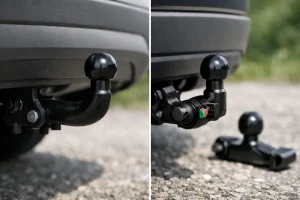
Professional fitting usually gives customers a better finish, with the right towbar type selected for both practicality and appearance. For example, some vehicles suit a fixed towbar because towing is frequent and convenience matters most. Others are better with a detachable or swan neck option where appearance or rear access matters more.
Again, it depends on how the vehicle is used. A van owner may prioritise durability and daily function. A family SUV owner might want towing capability without a bulky look when the towbar is not in use. Proper advice before fitting helps get that balance right.
Protecting the vehicle as well as the trailer
Another practical advantage is reducing the chance of damage to the vehicle itself. Incorrect fitting can interfere with bumper trims, underbody components or wiring routes. In some cases, poor workmanship can leave loose cables, badly cut panels or fixings that are not properly secured.
A professional approach takes the whole vehicle into account. That includes fitting the towbar cleanly, integrating electrics sensibly and checking that related features still behave as they should. If the vehicle has parking sensors or driver assistance features, those need to be considered rather than treated as an afterthought.
That broader view is one reason many customers prefer using a specialist workshop rather than trying to piece together parts, instructions and wiring information themselves.
The benefits of professionally fitted towbars for regular users
If you tow often, the value of professional fitting becomes even clearer over time. Regular towing puts repeated strain on both the towbar and the electrical system. Reliability matters more when the vehicle is part of your working week or your planned getaway.
Tradespeople, small business owners and caravan users usually want the same thing – a setup that works first time, every time. They do not want to lose a morning to wiring faults or find out on departure day that the trailer socket has an issue.
Professionally fitted towbars help reduce that uncertainty. They are chosen to suit the actual towing task, installed with the vehicle in mind, and tested so the owner leaves with a setup they can trust.
For local drivers, that can also mean knowing where to go if they need trailer repairs, towing advice, parking sensor fitting or help with related accessories in future. A specialist workshop offers more than a fitting appointment. It gives customers an ongoing point of support.
Why professional advice saves money in the long run
At first glance, DIY fitting or the cheapest available installation can seem appealing. Sometimes it works out fine, particularly on older and simpler vehicles. But on many modern cars and vans, the risks are higher than people expect.
Wrong parts, electrical faults and poor compatibility can all turn a cheaper job into a more expensive one. Add the time spent troubleshooting, replacing components or correcting bad fitting, and the savings can disappear quickly.
Professional installation is really about getting the right result first time. That includes choosing the correct towbar type, fitting the proper electrics, avoiding damage to the vehicle, and making sure the towing setup is ready for real use rather than only looking acceptable in the workshop.
For drivers in and around Doncaster, speaking to an experienced local team before booking can save a lot of guesswork. Doncaster Towbars helps customers match the right towbar and wiring setup to their vehicle, whether it is for a family car, SUV or working van.
A towbar should make life easier, not give you another job to sort out. If you want towing that feels safe, works properly and suits your vehicle, professional fitting is not an extra – it is the part that makes the whole setup worthwhile.