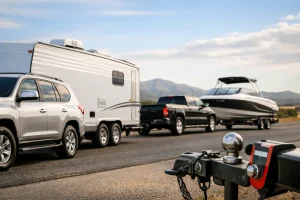
You usually notice a poor suv towing electrics setup at exactly the wrong moment – when the trailer board will not light up, the caravan fridge is dead, or the rear parking sensors scream every time you select reverse. On modern SUVs, towing electrics are not just a few wires and a socket anymore. They need to work with the vehicle properly, safely and in a way that does not upset the car’s own systems.
That matters whether you are towing a small camping trailer, a work trailer full of tools, a horsebox or a caravan for weekends away. The right electrical setup affects legal compliance, road safety, convenience and, in many cases, how well your vehicle behaves while towing. Get it wrong and you can end up with warning lights, battery drain, lighting faults or trailer functions that simply do not work.
What a suv towing electrics setup actually includes
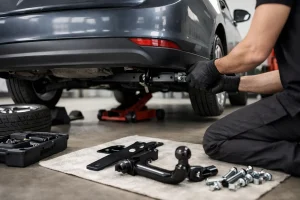
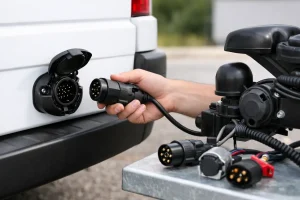
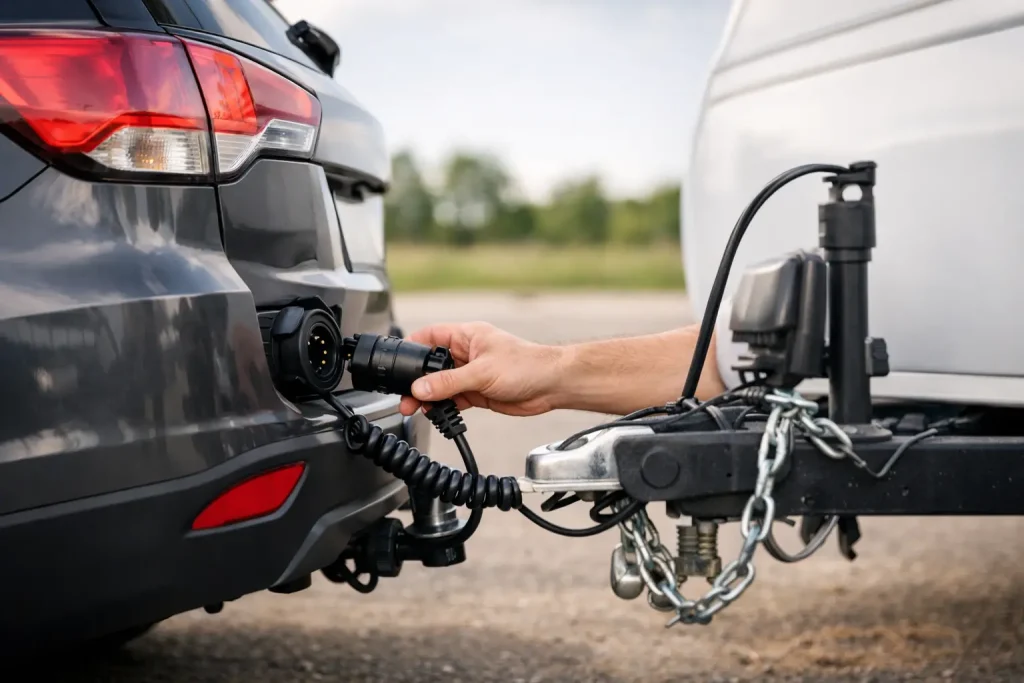
When people talk about towing electrics, they often mean the socket next to the towbar. In practice, that is only part of the job. A proper setup includes the wiring loom, the socket itself, the way the loom connects into the vehicle’s lighting and control systems, and sometimes vehicle coding so the SUV recognises that towing equipment has been fitted.
On older vehicles, electrics were relatively straightforward. On newer SUVs, the rear lights, parking sensors, stability systems and bulb monitoring are often managed by control modules. That means the towbar electrics need to be compatible with the vehicle rather than simply spliced in and hoped for the best.
This is why vehicle-specific wiring kits are often the better option. They are designed to communicate correctly with the car, protect sensitive electronics and allow towing features to operate as intended. Universal kits can still have their place, but they are more dependent on careful fitting and the right additional components.
7-pin or 13-pin – which one do you need?
One of the first decisions in any suv towing electrics setup is the socket type. For many trailer users, the choice comes down to 7-pin or 13-pin.
A 7-pin setup covers the basic road lighting functions. That usually means indicators, brake lights, tail lights, fog light and earth connections. If you are towing a simple utility trailer, small box trailer or bike trailer with standard lighting, 7-pin may be enough.
A 13-pin setup does more. It carries the standard road lighting functions but also supports extra services such as reverse lights, permanent power and switched power. That becomes important for caravans and some modern trailers that need more than just basic lights. If you want the caravan fridge to operate while travelling or need an internal leisure battery charging feed, 13-pin is usually the right route.
There is no point paying for more than you need, but there is also no benefit in fitting a basic system if your towing plans are likely to change. Many SUV owners start with a simple trailer and move on to a caravan or larger trailer later. In that case, fitting 13-pin from the outset can save time and money down the line.
Why modern SUVs need more careful wiring
CAN bus systems and bulb monitoring
Most modern SUVs use multiplex or CAN bus electrical systems. In plain terms, the vehicle monitors and controls electrical functions far more closely than older cars did. If the towbar electrics are fitted badly, the car may think there is a fault. That can lead to warning messages, lighting errors or electrical behaviour that seems random but is actually caused by an incompatible connection.
A proper towing loom helps avoid that by taking signals safely and distributing power in the correct way. It reduces the risk of overloading circuits and interfering with the vehicle’s own electronics.
Parking sensors and rear fog cut-off
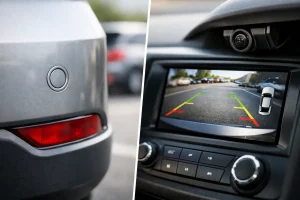
A well-fitted towing setup should also take account of driver assistance features. Rear parking sensors often need to be deactivated automatically when a trailer is connected. Otherwise, every manoeuvre becomes a chorus of beeping. Some vehicles also require trailer recognition to manage rear fog light switching correctly.
These details sound minor until they stop working. Then they become a daily nuisance.
Trailer stability and coding
Some SUVs offer trailer stability support, trailer light monitoring or specific towing functions through the car’s software. In those cases, fitting the electrics is only half the job. The vehicle may also need coding or programming so those functions are activated.
That is one reason a professional installation is often the sensible choice. It is not just about making the socket live. It is about making the whole towing system behave as the manufacturer intended.
Vehicle-specific kits vs universal wiring
There is a trade-off here, and it depends on the vehicle and how the trailer will be used.
Vehicle-specific kits are designed for a particular make and model. They usually plug into existing connection points, work more neatly with modern electronics and support features such as trailer recognition, parking sensor adjustment and dashboard monitoring where available. They tend to offer the cleanest result, especially on newer SUVs.
Universal wiring kits can be a cost-effective option in the right circumstances, particularly on older vehicles or simpler towing setups. But they often require more adaptation, and the quality of the fitting matters even more. A cheap universal kit fitted badly can create far more trouble than it saves.
For many SUV owners, the best value is not the lowest upfront price. It is the setup that works first time, keeps working and does not create faults elsewhere on the vehicle.
Common mistakes with SUV towing electrics setup
A lot of towing electrical faults come back to fitting shortcuts. Scotch-lock connectors, poor earths, badly routed cables and sockets mounted in awkward positions all cause problems sooner or later. Water ingress is another common issue, particularly when the socket is low quality or the installation leaves connections exposed.
Another mistake is choosing electrics based only on today’s trailer. If you are likely to tow a caravan, plant trailer or anything with auxiliary power needs in future, a more capable setup can be the smarter long-term option.
Then there is coding. On some SUVs, everything may appear to work after installation, but key features remain inactive until the vehicle is programmed correctly. Owners sometimes do not realise this until they notice parking sensors misbehaving or trailer systems failing to respond as expected.
How to know what your SUV needs
The right answer depends on four things – the exact vehicle, the age of the vehicle, what you plan to tow and what features you expect to work.
If you tow only a small domestic trailer a few times a year, your needs are very different from someone pulling a twin-axle caravan across the country. Likewise, a ten-year-old SUV is wired differently from a new model with factory parking aids, LED lighting and advanced stability systems.
That is why proper advice matters. A good installer will ask what you are towing, whether you need 7-pin or 13-pin, whether the vehicle requires coding and whether there are existing accessories to consider. It is not guesswork, and it should not be treated like a one-size-fits-all fitting.
Why professional fitting pays off
Towbar electrics sit at the point where towing safety and vehicle electronics meet. That is not the area to cut corners. Professional fitting gives you a setup that is tested, secure and matched to the vehicle. It also means faults can be identified before you set off with a loaded trailer behind you.
For local drivers, that practical reassurance matters. At Doncaster Towbars, the job is approached as a full towing solution rather than just fitting a socket and sending you on your way. The aim is straightforward – safe operation, reliable electrics and a towing setup that suits how you actually use your SUV.
If you are unsure what electrics your vehicle needs, it is worth asking before booking a towbar. The right advice at the start can save a lot of frustration later, especially with modern SUVs that expect their electrical systems to be treated properly.
A good towing setup should feel uneventful. The lights work, the trailer behaves as it should, and the vehicle gets on with the job. That is exactly how it ought to be.