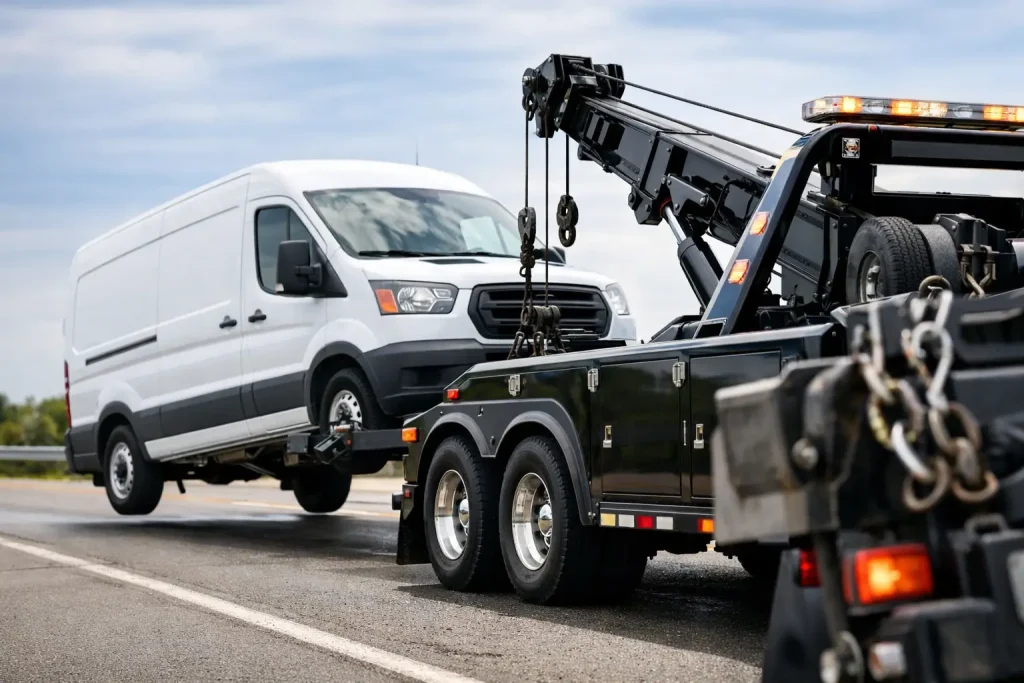
A van that tows well on paper can still feel poor on the road. That is usually where commercial van towing upgrades come in. If your van is working hard, carrying tools, visiting sites, or pulling a trailer every week, the right setup is not just about adding a towbar and hoping for the best. It is about matching the vehicle, the trailer, the load, and the electrics so everything works safely and predictably.
For tradespeople and small business owners, that matters more than comfort alone. A badly matched towing setup can lead to unstable handling, overworked rear suspension, poor visibility, awkward reversing, and electrical faults that waste time when you should be on the job. A properly upgraded van feels more settled, more capable, and easier to live with day after day.
Which commercial van towing upgrades are worth doing?
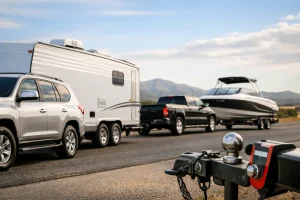
Not every van needs every upgrade. The best approach depends on what you tow, how often you tow, and whether the van is already close to its working limits. A van towing a lightweight garden trailer once a month has very different needs from one pulling a plant trailer, enclosed trailer, or work equipment across South Yorkshire every week.
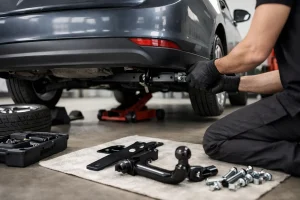
The starting point is always the towbar itself. A vehicle-specific towbar fitted correctly to the van and rated for its towing limits is the foundation of the whole setup. If that part is wrong, every other upgrade is just masking a poor base. Fixed, detachable, and flange towbar options each have their place. For many commercial vans, a flange towbar is popular because it is practical, hard-wearing, and compatible with accessories. For others, a different style may suit the vehicle or the way it is used.
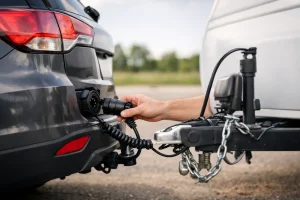
Electrics are just as important. Modern vans often need vehicle-specific wiring rather than a universal solution, especially where trailer lighting systems, bulb failure monitoring, and electronic safety features are involved. Good trailer electrics help ensure your indicators, brake lights, tail lights, and other trailer functions work as they should. They can also support extra trailer functions where required. If you use a caravan or specialist trailer, the electrical side becomes even more important.
Towbars and electrics – the core upgrade
A lot of towing issues begin with rushed or generic fitting. The towbar may be mechanically attached, but if the wiring has been poorly integrated, you can end up with warning lights, unreliable trailer lighting, or faults that are difficult to trace later.
That is why professional fitting matters. A proper installation takes account of the van’s design, towing capacity, rear structure, and electrical systems. It also avoids the temptation to cut corners with cheap components or make-do wiring. On a working van, reliability is part of the value. If the trailer lights fail on a dark morning or the towing electrics play up before a job, the whole day can unravel quickly.
There is also a legal and insurance angle. Towing equipment and trailer lighting need to work correctly, and the van must stay within its rated limits. An upgrade should improve safety and compliance, not create doubt about whether the setup is fit for use.
Suspension support and load stability
One of the most useful commercial van towing upgrades for regular users is suspension support. This is especially relevant if the van already carries tools, stock, or equipment before the trailer is attached. Even when the van is technically within its limits, rear-end sag can affect handling, braking feel, and headlight aim.
Upgraded suspension support does not increase the legal towing capacity of the van, and that is an important distinction. What it can do is help the vehicle stay more level and controlled when carrying nose weight and working under load. Depending on the van and the job, that might involve heavy-duty springs or auxiliary suspension assistance.
This is a good example of where it depends. If the van only tows occasionally and usually runs light, suspension upgrades may be unnecessary. If it tows often, carries weight in the back, and spends its life on uneven roads or site entrances, the difference can be worthwhile. The goal is not to make the van ride harshly when empty. It is to improve stability when the van is being used as intended.
Parking sensors and reversing confidence
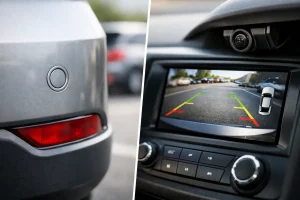
Commercial vans are not always easy to place at the best of times. Add a towbar, a trailer, or a busy work yard and manoeuvring becomes far less forgiving. Rear parking sensors are one of those upgrades that owners often appreciate more after fitting than before.
They are useful when reversing up to a trailer, protecting the rear of the van in tight spaces, and dealing with day-to-day parking when the towbar is fitted. On some vans, the rear step, doors, or limited rear visibility already make low-speed manoeuvres awkward. Sensors help reduce guesswork.
The key is fitting them properly so they work with the shape of the van and do not create false alarms because of the towbar or rear accessories. A poor installation can be irritating. A well-set-up system becomes part of the van’s everyday usability.
Trailer servicing matters as much as the van
Upgrading the van without looking at the trailer is only half the job. If the trailer has worn brakes, tired tyres, damaged lighting, or neglected wheel bearings, even the best towing setup on the van will still feel compromised.
That is why regular trailer servicing is often one of the smartest towing-related investments a business can make. It keeps the whole outfit safer and helps spot wear before it turns into downtime. For businesses relying on trailers for daily work, preventive maintenance is usually cheaper than roadside problems, missed jobs, or damaged loads.
If your van feels unstable or awkward while towing, the cause is not always the van. Sometimes the trailer is loading badly, braking unevenly, or simply overdue for attention. A proper check of both sides of the towing setup tends to produce better answers than replacing parts at random.
What to think about before choosing upgrades
The right commercial van towing upgrades depend on use, not fashion. Start with a few practical questions. What does the van tow? How often? Is the load constant or occasional? Is the van already carrying significant weight? Do you need single or twin electrics? Is the priority easier reversing, better stability, or a complete towing setup from scratch?
There are trade-offs. A detachable towbar may suit some owners who want a cleaner rear appearance when not towing, but many working vans favour the straightforward practicality of a fixed option. Extra suspension support can improve towing manners under load, but the setup still needs to suit the vehicle when it is running empty. Vehicle-specific electrics may cost more than a generic approach, but they are often the better long-term choice on modern vans.
This is where speaking to a specialist helps. A proper recommendation should be based on the actual van and how it is used, not a one-size-fits-all package.
Commercial van towing upgrades for working vehicles
Working vans need upgrades that earn their keep. That usually means prioritising reliability, safe installation, and equipment that solves a real problem. A sound towbar, correct electrics, and sensible support upgrades will do more for daily towing than chasing add-ons you do not need.
For some owners, the best setup is simple and durable. For others, especially those using trailers every week, a more complete package makes sense, including parking sensors, trailer electrical integration, and checks on the trailer itself. The common thread is that towing should feel controlled and dependable rather than improvised.
At Doncaster Towbars, that practical approach matters. The best result is not the longest list of parts. It is a van that is properly prepared for the work you actually do.
If your current setup feels unsettled, awkward to reverse, or not quite right under load, it is worth getting it looked at properly. The right upgrade is usually the one that makes towing safer, simpler, and less of a worry every time you hitch up.