A trailer rarely gives you much warning before it causes trouble. One trip it feels steady and predictable, the next you are dealing with a failed light, uneven tyre wear or a coupling that does not sit quite right on the towball. That is why a proper guide to trailer maintenance checks matters. Regular checks help you spot wear early, avoid roadside problems and keep your trailer safe, legal and ready for work.
Why trailer checks should never be left to chance
For most owners, trailer problems start small. A cracked cable sheath, a loose wheel nut or a tyre that has been standing underinflated for weeks can all look minor in the yard or on the drive. Under load and at speed, they are not minor at all.
Trailers also tend to be used harder and inspected less often than the towing vehicle. A car or van goes in for servicing, MOTs and routine work. A trailer can sit unused for long periods, then be expected to carry heavy loads, garden waste, tools, machinery or holiday kit without complaint. That stop-start pattern is exactly why condition checks matter. Standing still can be just as hard on a trailer as frequent use.
A sensible routine is not complicated, but it does need to be consistent. Some checks should be done before every journey. Others belong in a more detailed inspection every few months, especially if the trailer is used for business, frequent towing or heavier loads.
Guide to trailer maintenance checks before every trip
Before towing, walk around the trailer slowly and look for anything that appears out of place. This is the stage where experience helps, but even a basic visual inspection catches a lot.
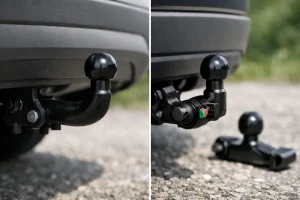
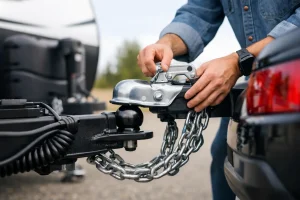
Start at the coupling. It should sit correctly on the towball, lock securely and show no obvious signs of excessive wear or damage. If the coupling head feels loose, stiff or unreliable, do not assume it will sort itself out on the road. Check the breakaway cable as well. It must be correctly attached, in good condition and routed properly. A frayed or poorly fitted cable is not something to ignore.
Move on to the jockey wheel and any corner steadies if fitted. They should be fully raised and secured before travel. It sounds obvious, but it is a common cause of damage, especially when people are in a rush.
Tyres deserve more than a quick glance. Check pressure, tread depth and sidewall condition. Look for cuts, cracking, bulges and flat spots from long periods of standing. Trailer tyres can age out before they wear out, so even a tyre with decent tread may still be unsuitable if the rubber has perished. If your trailer is often stored outside, this becomes even more important.
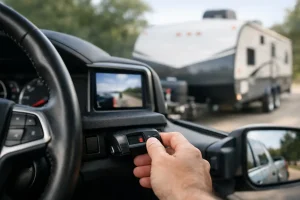
Lights and electrics should always be tested before setting off. That means indicators, brake lights, tail lights, side lights and number plate illumination where required. Poor connections, damaged plugs and wiring faults are common on trailers because the electrical components sit low and are exposed to weather, dirt and knocks. If the lights flicker, work intermittently or fail altogether, the fault needs tracing properly rather than worked around.
Finally, check load security. The trailer should be loaded within its limits, with weight distributed sensibly so it tows level and stable. Too much weight at the rear can encourage snaking, while poor restraint allows the load to shift during braking or cornering. There is no clever fix for bad loading once you are already on the road.
The areas most owners overlook
The obvious items get checked more often. The hidden wear points are where many problems build up.
Wheel bearings are a good example. If they are starting to wear, you may notice rumbling, roughness or excess heat around the hub after a run. Left too long, they can fail in a way that is expensive and dangerous. Bearings do not usually go from perfect to failed overnight. They give signs, but only if someone is looking for them.
Suspension components also deserve attention. On leaf-sprung trailers, check for cracked leaves, worn mounting points and movement where there should not be any. On rubber suspension units, look for sagging, uneven ride height or poor wheel alignment. If a trailer sits oddly when empty, it is worth investigating before adding weight.
The chassis and frame should be inspected for corrosion, cracks and damage, especially around high-stress points such as drawbars, axle mounts and body fixings. Surface rust is one thing. Structural corrosion is another. If the trailer has been used for plant, landscaping, builders’ materials or wet loads, deterioration can happen faster than many owners expect.
Flooring and side panels often get overlooked too. A trailer floor may look sound from above but be weakening underneath through rot, corrosion or delamination. If you transport heavy equipment or concentrated loads, weak flooring becomes a genuine safety issue.
Brakes, hubs and running gear
If your trailer is braked, the braking system needs proper attention. This is not an area for guesswork.
Check the overrun mechanism for smooth movement and signs of seizure or excessive play. Brake linkages, cables and compensators should move freely and show no serious corrosion or fraying. If braking feels snatchy, weak or uneven, that points to adjustment or component wear. In some cases the trailer may still feel towable, but that does not mean it is braking correctly.
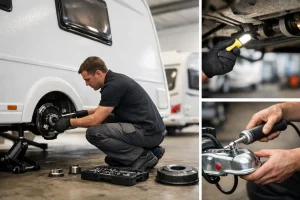
Drums, shoes and hubs need periodic inspection, especially on trailers that carry weight regularly. Water ingress, contaminated linings and worn internal parts can all affect performance. The trade-off here is simple: a trailer used only occasionally may go longer between major brake work, but infrequent use can also allow components to seize. Less use does not always mean less maintenance.
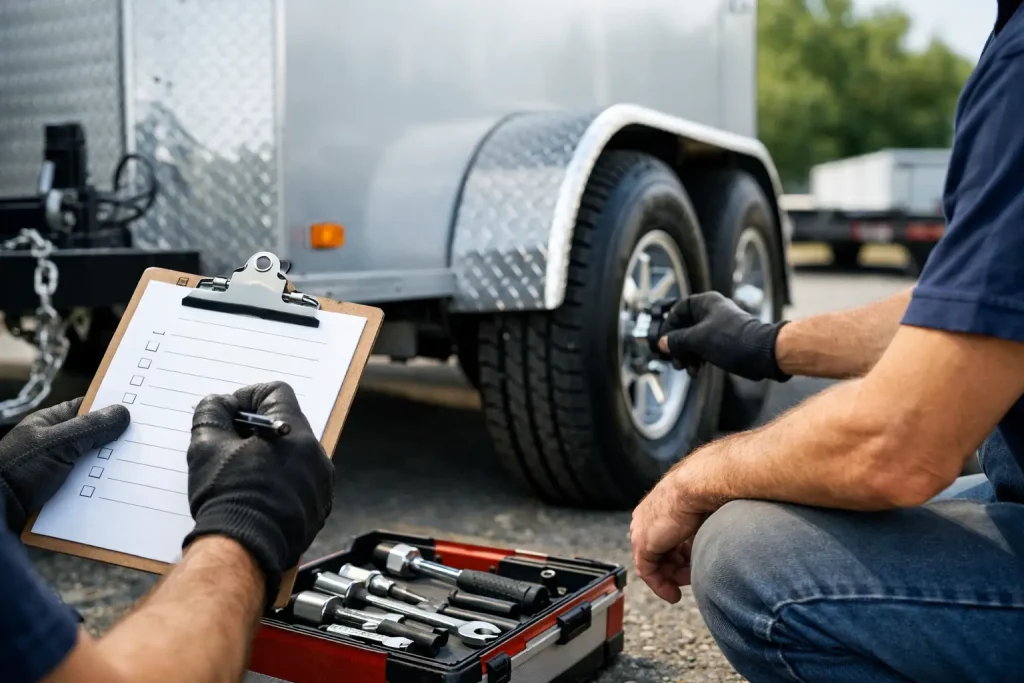
Wheel nuts should be checked for correct tightness, particularly after wheel removal or replacement. It is one of those basic jobs that becomes very serious if missed.
How often should trailer maintenance checks be done?
It depends on how the trailer is used, where it is stored and what it carries.
A domestic trailer used lightly for occasional tip runs or leisure use may only need a detailed inspection a few times a year, provided pre-use checks are done every time. A trailer used by a tradesperson, landscaper or small business should be checked more often because mileage, load weight and daily wear are all higher.
Storage conditions matter as well. A trailer kept outside through winter, parked on damp ground and used irregularly can suffer from seized brakes, corroded electrics and tyre deterioration faster than one kept under cover. Owners sometimes focus on mileage alone, but age, weather exposure and periods of inactivity are just as relevant.
A good rule is to treat pre-journey checks as non-negotiable and schedule fuller servicing at sensible intervals rather than waiting for a fault to appear. Waiting usually costs more.
A practical guide to trailer maintenance checks at home
If you carry out basic maintenance yourself, keep it realistic. Cleaning the trailer, checking tyre pressures, inspecting lights, looking for damage and lubricating the right moving parts are all sensible jobs for most owners. So is checking that fasteners, hinges and catches are secure.
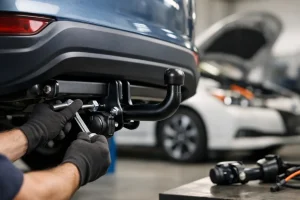
What matters is knowing where home checks stop. Brake servicing, bearing replacement, electrical fault diagnosis and structural repairs are not jobs to improvise if you are unsure. A trailer is not just a box on wheels. It is a load-carrying vehicle that needs to behave properly under braking, cornering and emergency manoeuvres.
This is especially relevant if you tow with different vehicles or rely on vehicle-specific electrics. A fault may not always sit with the trailer alone. Sometimes the issue is in the wiring interface, plug connection or towing electrics setup. Getting a proper diagnosis saves time and repeated frustration.
Signs your trailer needs professional attention
Some warning signs should move the trailer straight from your driveway to a workshop. Uneven tyre wear, wheel wobble, hot hubs, poor braking, repeated lighting faults, visible chassis damage and coupling issues all fall into that category. So does unstable towing behaviour.
If the trailer starts snaking, bouncing excessively or feeling unsettled behind the vehicle, do not just put it down to wind or road surface. It could be loading, tyre condition, suspension wear or a more serious mechanical issue. The cause needs checking properly.
For owners around Doncaster and South Yorkshire, having access to a workshop that deals with towing equipment, trailer servicing, trailer repairs and electrical troubleshooting under one roof makes life easier. It means faults can be assessed in the context of the full towing setup, not as isolated problems.
Good maintenance saves more than money
Most people think about trailer checks in terms of breakdown prevention, and that is fair enough. But the bigger benefit is confidence. When the hitch locks correctly, the brakes respond as they should, the tyres are sound and the lights work first time, towing becomes far less stressful.
That matters whether you are hauling tools to a job, moving equipment for your business or taking a trailer away for a weekend. A well-maintained trailer is easier on the towing vehicle, safer for everyone around you and far less likely to ruin your day at the roadside.
If you are not fully confident in the condition of your trailer, get it checked before the next journey rather than after the next problem. A little workshop time now is usually a lot cheaper than recovering a failed trailer later.