Reverse into a tight supermarket bay in the rain and the question tends to come up quickly – can parking sensors be added if your car did not leave the factory with them? In most cases, yes, they can. The better question is what type will suit your vehicle, how neatly they can be fitted, and whether the result will work as reliably as you expect.
For many drivers, aftermarket parking sensors are a practical upgrade rather than a luxury. They can make daily manoeuvring easier, help protect bumpers from low-speed knocks, and give extra confidence when parking a larger SUV, estate, van or tow car. They are especially useful if you regularly reverse near walls, bollards, low posts, trailers or other obstacles that are easy to miss from the driver’s seat.
Can parking sensors be added after purchase?
Yes – parking sensors can usually be added after purchase, whether the vehicle is brand new to you or has been on the road for years. Most cars, vans and many motorhomes can take an aftermarket system, provided the right kit is chosen and installed properly.
That said, not every installation is identical. Some vehicles have simple painted bumpers with plenty of space for flush-mounted sensors. Others have curved panels, metal bumper reinforcements, existing factory wiring, or styling features that make fitting more involved. The answer is rarely a flat yes or no. It depends on the vehicle, the quality of the kit, and the standard of the fitting.
How aftermarket parking sensors work
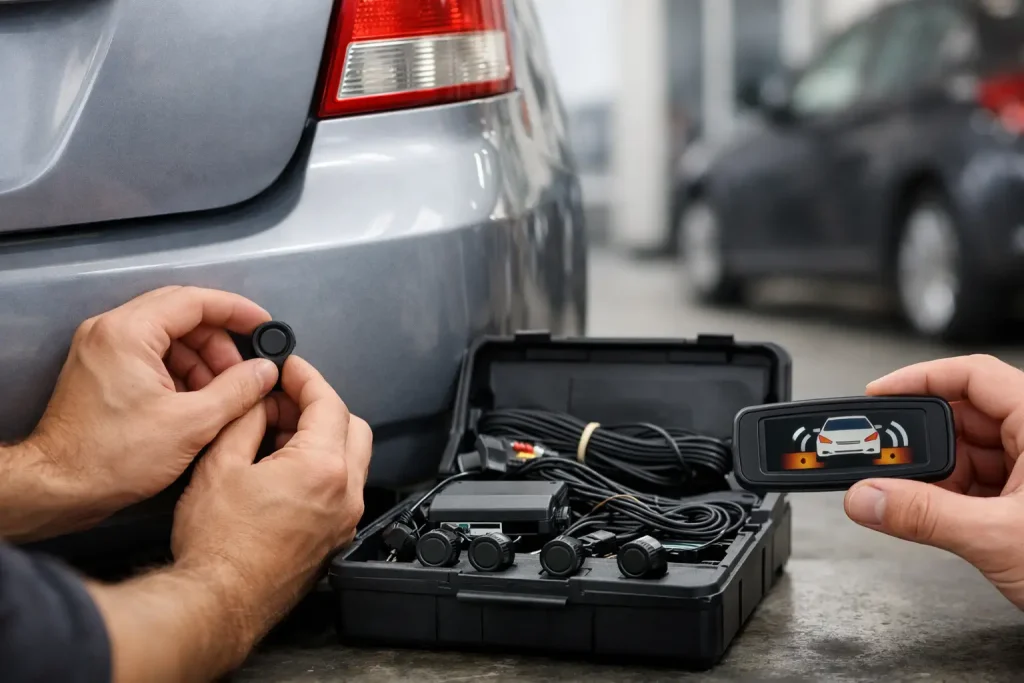
Most parking sensors use ultrasonic sensors mounted in the bumper. These detect nearby objects and warn the driver with a beeping sound that becomes faster as you get closer. Some systems also include a visual display to show distance or direction, while others integrate more discreetly with a small buzzer hidden inside the cabin.
Rear parking sensors are the most common option because reversing is where most low-speed parking bumps happen. Front sensors can also be added, which is useful on longer vehicles or cars with poor forward visibility. Some drivers choose rear sensors only, while others want front and rear coverage for tighter urban parking.
Wireless kits do exist, but hard-wired systems are generally the more dependable choice. In a workshop setting, a wired installation gives better consistency and a tidier long-term result.
Which vehicles are suitable?
The short version is that most are. Small hatchbacks, family cars, 4x4s, vans and work vehicles can all be fitted with parking sensors. Older cars are often straightforward because there is less complex trim and fewer electronic systems to work around. Newer vehicles can also be upgraded, but they may need more care when routing wiring and positioning components.
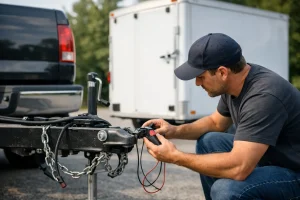
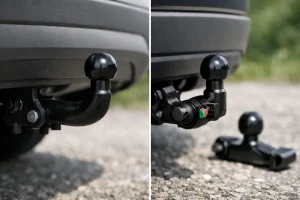
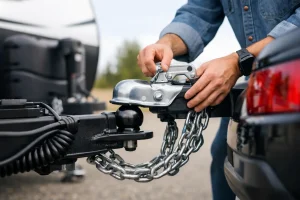
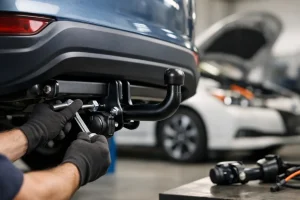
Vehicles used for towing often benefit particularly well. If you have a towbar fitted or plan to have one installed, parking in tighter spaces can become a bit more awkward, especially if you are used to allowing for rear overhang or manoeuvring near a trailer. A properly fitted sensor system can make that easier, although it is important that the installation is compatible with the towbar setup. Poorly planned placement can lead to false readings.
Fitted sensors or stick-on sensors?
This is where quality really starts to show. Proper drilled-in sensors sit flush in the bumper and tend to offer the best performance and the cleanest finish. They look closer to a factory-fit system and are usually the preferred option if you want something reliable and neat.
Stick-on or surface-mounted sensors are available and can suit some vehicles, but they are often more obvious visually. In some cases they are chosen to avoid drilling the bumper, though that trade-off can mean a less integrated look. If appearance matters, and for most car owners it does, flush-fit sensors are normally the better route.
Sensor heads can usually be colour-coded to the vehicle, which helps them blend in rather than looking like an afterthought. That small detail makes a big difference once the job is complete.
What is involved in fitting parking sensors?
A professional installation starts with checking the bumper design, identifying the correct sensor positions, and making sure the chosen kit suits the vehicle. The bumper may need to be removed, depending on access and routing. The sensors are then fitted at measured points so they detect obstacles accurately without being too high, too low or too close together.
Wiring is routed carefully into the vehicle and connected to the relevant power source, often the reverse light circuit for rear systems. The control unit and buzzer or display are mounted neatly, and the system is tested for range, tone and response.
This is one of those jobs that can look simple until you get into it. If the sensors are badly positioned, the warning pattern can be erratic. If wiring is routed poorly, you can end up with trim damage, rattles, water ingress issues or unreliable operation. Professional fitting is largely about avoiding those problems before they start.
Can parking sensors be added to cars with modern electronics?
Yes, but this is where experience matters. Many newer vehicles have more sensitive electrical systems, tighter packaging behind bumpers, and trim layouts that are not especially forgiving. On some cars, the wrong connection method can trigger faults or interfere with other systems.
That does not mean sensors cannot be fitted. It means the installer needs to understand vehicle electrics, not just the parking kit itself. Choosing vehicle-appropriate wiring methods and taking the time to fit everything cleanly is what separates a proper upgrade from a short-lived fix.
How much does it usually cost?
Cost depends on the type of system, the number of sensors, whether you want front, rear or both, and how complex the vehicle is to work on. A simple rear parking sensor setup will generally cost less than a front-and-rear system with a display and colour-coded sensors.
Cheaper kits are easy to find, but the purchase price is only part of the story. A low-cost system with poor detection or constant false alarms is not much of an upgrade. In practice, most customers are better served by a quality kit fitted properly once, rather than replacing a budget system later.
If you are comparing prices, ask what is actually included. Sensor type, paint matching, fitting quality, warranty support and compatibility with the vehicle all matter.
When parking sensors make the most sense
They are especially worthwhile if you drive a larger vehicle, have limited rear visibility, regularly park in busy areas, or simply want a bit more confidence in tight spaces. For van drivers and tradespeople, they can also help reduce the risk of minor damage during repeated stops through the day.
They are not a substitute for good observation, mirrors and careful manoeuvring. They are an aid, not a guarantee. Very low objects, awkward angles, heavy rain, dirt and certain surfaces can affect how any system performs. Good sensors improve awareness, but they do not replace attention.
Parking sensors or a reversing camera?
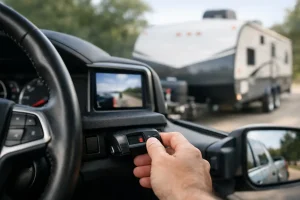
Sometimes the right answer is both. Parking sensors are excellent for giving a clear audible warning as you approach an obstacle. A reversing camera gives a visual reference and can help with alignment, trailer approach and seeing what is directly behind the vehicle.
If you mainly want quick, simple help with everyday parking, sensors are often enough. If you tow regularly, reverse in awkward yards, or want a wider view behind the vehicle, a camera may be worth considering alongside them. It depends on how you use the vehicle and what sort of reassurance you want when manoeuvring.
Should you fit them yourself?
If you are very confident with vehicle electrics, trim removal and bumper drilling, a DIY kit may be possible. But it is not a forgiving job. One poor hole position can spoil the bumper. One weak wiring connection can create intermittent faults. And one badly chosen sensor location can leave the system giving false warnings every time you reverse.
For most drivers, professional fitting is the safer choice. It protects the finish of the vehicle, gives you a properly tested result, and removes the guesswork around placement and wiring. That matters even more on newer cars, leased vehicles, vans and anything with existing towbar electrics or accessory installations.
At Doncaster Towbars, this is exactly the sort of practical upgrade that benefits from workshop experience rather than a one-size-fits-all kit. The best setup is the one that suits your vehicle properly, works every time you need it, and looks like it belongs there.
If you are wondering whether parking sensors can be added to your car, the answer is usually yes – and done well, they can make everyday driving noticeably easier. The sensible next step is to have the vehicle assessed, talk through the options, and choose a system that fits the way you actually drive.