If you are working out how to choose van towing electrics, the first thing to know is that there is no one-size-fits-all answer. A courier pulling a small box trailer has very different needs from a tradesperson towing plant equipment or a family using a van for caravan holidays. The right electrics depend on what you tow, how often you tow it, and how your van’s own systems are set up.
This is where many van owners get caught out. They assume the towbar is the main decision and the wiring is just an add-on. In practice, the electrics are what make the whole setup legal, safe and reliable on the road. If the trailer lights do not operate correctly, or the van’s modern electronics are not wired in properly, you can end up with faults, warning lights, or a towing setup that simply does not do the job you need it to do.
How to choose van towing electrics for your setup
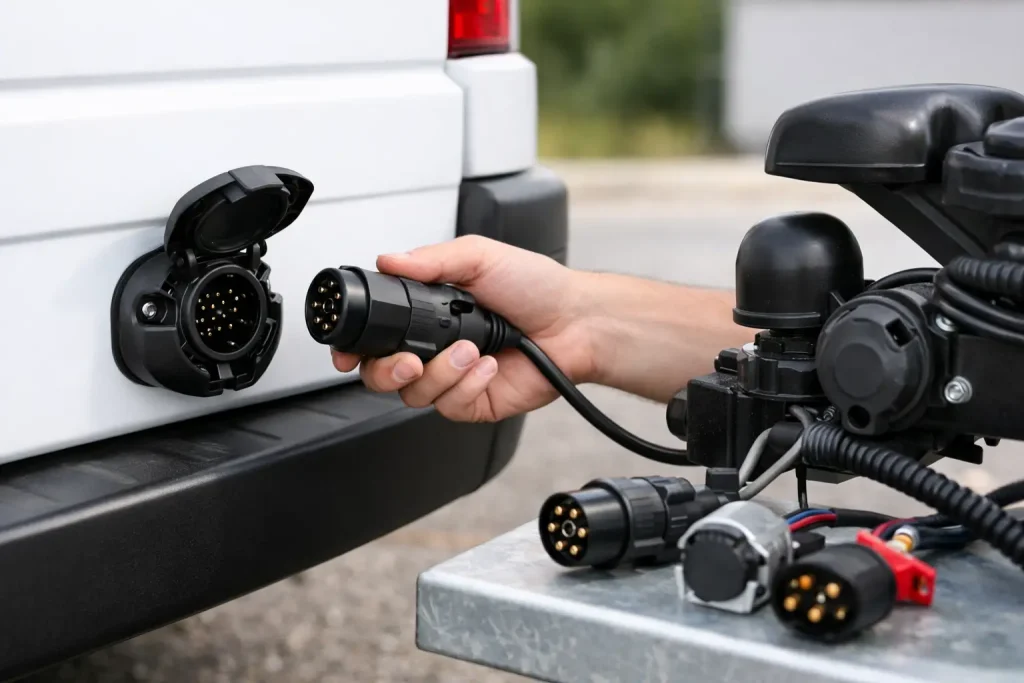
The starting point is the trailer or caravan itself. In simple terms, you are usually choosing between 7-pin electrics and 13-pin electrics, but the right option depends on function rather than just plug shape.
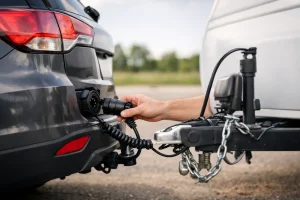
A 7-pin system is commonly used for basic trailers. It runs the essential road lighting functions such as indicators, brake lights, tail lights and fog light. For many small utility trailers, camping trailers and light-duty work trailers, that is all you need. If your trailer only requires standard lighting and nothing more, 7-pin electrics are often a sensible and cost-effective choice.
A 13-pin system gives you more capability. Alongside the standard lighting functions, it can support features such as reversing lights and additional power supplies. That matters if you are towing a caravan, a trailer with internal electrics, or anything that needs a more complete connection to the vehicle. On many newer caravans and trailers, 13-pin is already the expected standard.
So the first question is not which plug looks more modern. It is what your trailer actually requires. If you fit the wrong system, you either pay for functions you do not need or end up with a setup that falls short the first time you hitch up.
The difference between basic and vehicle-specific wiring
Once you know the socket type, the next decision is the wiring kit itself. This is often the part that van owners do not see until something goes wrong.
A universal bypass relay kit can be suitable on some vehicles, especially older vans with simpler electrical systems. It takes signal feeds from the van’s rear lights and passes them to the trailer. On the right vehicle and for the right use, it can work perfectly well.
However, many modern vans are far more complex. They use multiplex wiring, bulb failure monitoring, parking sensors, stability systems and onboard computers that need to know when a trailer is connected. In those cases, vehicle-specific electrics are usually the better option. These kits are designed for the make and model of the van, and they communicate properly with the vehicle’s electronics.
That can make a real difference in day-to-day use. A vehicle-specific kit may allow trailer stability features to work correctly, switch off rear parking sensors when towing, and avoid false fault warnings on the dashboard. It is not just about convenience. It is about making sure the van behaves as it should when towing.
For tradespeople and business users, reliability matters just as much as price. If the van is used every day for work, saving money on the wrong electrics can quickly become expensive if it leads to electrical faults, time off the road or repeat workshop visits.
When cheap electrics become costly
There is always a temptation to go for the lowest-price option, especially if the trailer only gets occasional use. Sometimes that is fine, but not always.
Lower-cost wiring solutions may be acceptable on older vans with straightforward systems. On newer vehicles, they can create nuisance issues that are difficult to trace later. Flickering lights, sensor problems, battery drain and warning messages are all signs of a towing electrical setup that is not properly matched to the vehicle.
A good fitment should work quietly in the background. You should be able to plug in, tow, and get on with the job without second-guessing whether the van or trailer is going to throw up a problem.
How often you tow matters more than most people think
If you tow once or twice a year, your priorities may be different from somebody towing every week. An occasional user might be fine with a simpler arrangement, provided it is appropriate for the van and trailer. A regular towing user is usually better served by a more durable, vehicle-specific system that is built for repeated use.
Frequent towing puts more demand on sockets, pins, wiring connections and the general quality of installation. If you are hitching up in all weather, on building sites, or before early morning starts, you want electrics that can cope with real use rather than ideal conditions.
This is especially true for commercial vans. A van that tows tools, machinery, stock or work trailers is part of your business. Downtime is not just inconvenient – it can mean missed jobs and lost income. Choosing the right towing electrics from the start is usually the cheaper route in the long run.
Think about what the van needs to do beyond towing
A proper answer to how to choose van towing electrics also means looking at the van itself, not just the trailer. Modern vans often have features that need to be considered during installation.
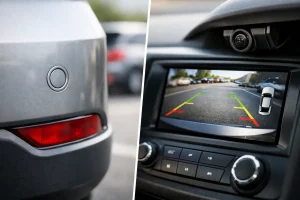
Rear parking sensors are a common example. If the electrics are not integrated properly, the van may think there is a constant obstruction every time a trailer is connected. Some systems can automatically disable the sensors when towing, which makes life far easier when manoeuvring.
The same goes for dashboard monitoring and lighting systems. Some vehicles are sensitive to any change in electrical load. A poor-quality or unsuitable wiring kit may trigger warning lights even when the trailer appears to be working. That does not always mean there is a dangerous fault, but it certainly means the setup is not doing the job cleanly.
If your van has manufacturer towing preparation, that can also influence the best option. Some vans are designed to accept dedicated towing electrics more easily, while others need a more tailored solution. That is why vehicle details matter so much when choosing parts.
7-pin or 13-pin for a van owner?
For many van owners, this decision comes down to use.
If you tow a standard trailer for tip runs, camping gear or light work equipment, 7-pin electrics may be enough. They cover the legal lighting essentials and keep things straightforward.
If you tow a caravan, a newer trailer, or anything requiring reversing lights or auxiliary power, 13-pin is the better choice. It is also worth considering if you may upgrade your trailer later. Fitting for current and future use can save money compared with changing the setup again down the line.
Adapters do exist between 7-pin and 13-pin systems, but they are best seen as a practical workaround rather than the ideal long-term answer. If you tow regularly, it is better to fit the correct electrics from the outset.
Why professional fitting makes a difference
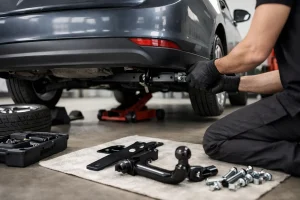
Van towing electrics are not just a case of connecting a few wires and hoping for the best. Good installation is about protecting the vehicle’s own systems, routing wiring correctly, securing components properly and testing the finished setup under real conditions.
That matters even more on newer vans, where poor electrical work can interfere with safety systems or create faults that are awkward to diagnose later. A proper fitting service should check compatibility, advise on the right socket type, and install a system that suits both the van and the trailer you intend to tow.
At a specialist workshop such as Doncaster Towbars, that conversation is part of the service. Rather than selling a generic kit and leaving you to figure it out, the aim is to match the electrics to the vehicle, the towbar and the way you actually use the van.
A few signs you need advice before choosing
If you are unsure whether your van needs dedicated electrics, if you have parking sensors or dashboard warnings, or if you plan to tow more than one type of trailer, it is worth asking before anything is fitted. The same applies if the trailer has extra functions beyond basic road lights.
These are not unusual complications. They are exactly the sort of details that separate a towing setup that works properly from one that causes avoidable headaches.
The best choice is not always the most expensive, and it is not always the simplest either. It is the option that suits your van, supports the trailer correctly and gives you confidence every time you tow. If you are not sure what that looks like for your vehicle, a proper discussion with an experienced fitter will usually save time, money and frustration later. That is a much better place to start than guessing from a plug shape alone.