If you are searching for the best towbar for SUV use, the right answer depends less on brand names and more on how you actually plan to tow. A family SUV used for a caravan twice a year needs a different setup from a working vehicle pulling a plant trailer every week. Get that choice right and towing feels stable, legal and straightforward. Get it wrong and you can end up with poor clearance, awkward access to the boot, or electrics that do not properly communicate with the vehicle.
SUVs are popular tow cars for good reason. They usually offer strong kerb weight, a sensible towing limit and good driving position, which makes manoeuvring easier. But not every SUV is the same, and not every towbar suits every vehicle, trailer or driver.
What is the best towbar for SUV owners?
For most SUV owners, the best towbar is the one that matches the vehicle’s approved towing capacity, the shape of the rear bumper, the trailer electrics required and how often the towbar will be used. That usually means choosing between a fixed flange towbar, a fixed swan neck towbar, or a detachable towbar.
A fixed flange towbar is often the practical choice for regular towing. It is sturdy, widely compatible and useful if you need to fit accessories such as bumper protectors, cycle carriers or certain towing attachments. For tradespeople or anyone towing often, it makes a lot of sense because it is always ready to use and generally offers good versatility.
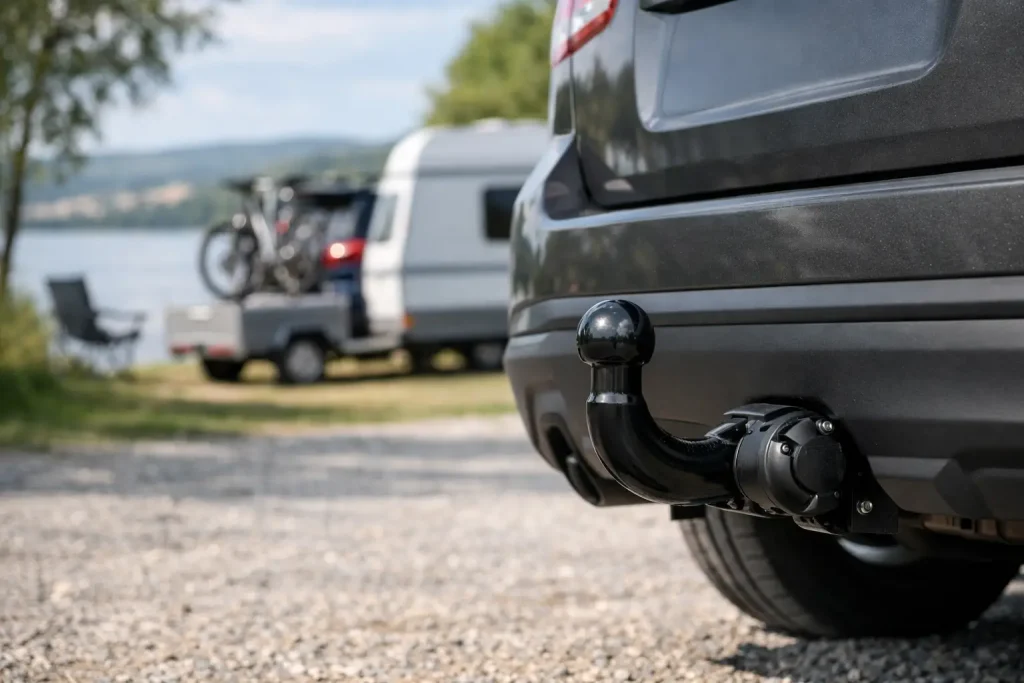
A fixed swan neck towbar tends to suit motorists who want a neater look. It sits closer to the vehicle and is often preferred on modern SUVs because it is less visually bulky. It can also provide better clearance for some trailers and caravans, although compatibility with certain accessories can be more limited than with a flange design.
A detachable towbar is usually the best-looking option when you are not towing all the time. Once removed, it keeps the rear of the vehicle tidy and can help preserve parking sensor performance or simply maintain the original appearance of the SUV. The trade-off is cost. Detachable systems are normally more expensive, and they only make real sense if aesthetics and occasional use matter to you.
Choosing the best towbar for SUV towing jobs
The first thing to check is what the SUV is actually allowed to tow. Every vehicle has manufacturer limits, and those figures matter more than assumptions about size or engine power. A big SUV does not automatically mean a bigger legal towing capacity. Hybrid and electric SUVs can be especially variable here, so it is worth checking the exact model, year and engine.
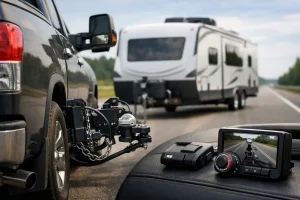
Then think about what you are towing. A small domestic trailer for garden waste places very different demands on the vehicle compared with a twin-axle caravan, horse trailer or work trailer carrying tools and materials. Nose weight, gross trailer weight and load balance all matter. The towbar has to suit both the vehicle and the job.
Usage matters too. If the towbar will live on the vehicle all year round and tow regularly, a fixed option is often the most sensible investment. If you only tow for holidays or occasional trips to the tip, a detachable system may be worth the extra cost for the cleaner finish.
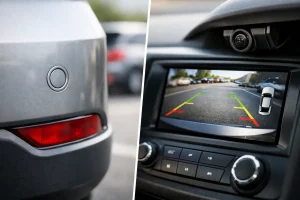
There is also a practical point that many drivers only notice after fitting – rear access and sensor behaviour. Some SUVs have tailgates, parking sensors and reversing cameras that react differently depending on towbar type and electrical coding. A proper installation should take that into account, rather than simply bolting on the bar and sending the customer away.
Fixed flange, swan neck or detachable?
A fixed flange towbar is the workshop favourite for hard use. It is dependable, straightforward and ideal when the vehicle is part of working life. If you run a trailer most weeks, it is often the least fussy choice. It also makes sense where accessory compatibility matters.
A swan neck towbar is more discreet and often suits the styling of newer SUVs better. Many drivers choose it because it feels less industrial and keeps the rear end looking cleaner. For private motorists towing caravans or leisure trailers, it is a popular middle ground between utility and appearance.
A detachable towbar is usually chosen by drivers who want towing capability without constantly seeing the towball. That is especially common on premium SUVs or family vehicles used day to day for school runs, shopping and commuting. It is a good option, but only if you are happy with the higher upfront price and the need to remove and store the neck when not in use.
None of these designs is universally best. The best towbar for SUV ownership depends on how much value you place on convenience, appearance and accessory use.
Do not overlook the electrics
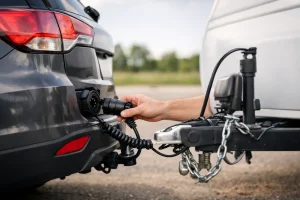
Towbar electrics are where many towing setups either work properly or become a nuisance. Modern SUVs are full of sensors and control systems, and a vehicle-specific wiring kit is often the safest and most reliable route. It allows the electrics to communicate correctly with the car, which can affect trailer lighting, bulb failure detection, stability systems and parking sensor deactivation.
A universal kit can be suitable in some cases, but on many newer SUVs it is not the best choice. It may not give full functionality, and it can create faults if fitted badly. For caravans, the electrical side is even more important because you may need additional functions such as fridge supply or battery charging through a 13-pin system.
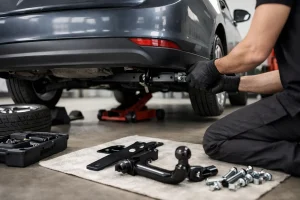
This is why professional fitting matters. The towbar itself is only part of the job. Correct wiring, coding where required, and final testing are what turn parts into a safe towing setup.
Clearance, bumper cuts and everyday practicality
SUV owners often ask whether a towbar will spoil the look of the vehicle or interfere with daily use. The honest answer is that sometimes there is a trade-off. Some vehicles need a visible bumper cut, while others allow for a much cleaner fit. Some detachable systems minimise visual impact, but that does not mean they are always the best value.
Ground clearance can matter too, especially if the SUV is used on rough tracks, ramps or uneven ground. The vehicle’s suspension height and rear overhang affect how practical a particular towbar design will be. If you tow a caravan, the towball height and trailer attitude also play a part in how stable the outfit feels on the road.
That is one reason workshop advice is useful. Looking at the exact vehicle and intended use often reveals things that online product descriptions do not.
The cheapest option is rarely the best one
A low price can be tempting, especially if you only expect to tow occasionally. But a towbar is not just another accessory. It is a load-bearing safety component fitted to a vehicle that may already be carrying passengers, luggage and significant trailer weight.
A poor-quality fit, incorrect electrics or the wrong towbar type can cost more later in adjustments, repairs or lost confidence when towing. It is usually better to choose the setup that suits the job from the start. That means looking at the vehicle, trailer type, frequency of use and whether you need extras such as parking sensor integration or caravan electrics.
For drivers in and around South Yorkshire, a specialist fitting service can make that decision easier because the advice is based on real-world use rather than a one-size-fits-all sales pitch. At Doncaster Towbars, that practical approach is exactly what helps customers choose the right setup for their vehicle.
When a professional recommendation matters most
If you have a newer SUV, a hybrid model, a vehicle with complex driver-assistance systems or plans to tow a caravan, horsebox or heavy work trailer, proper advice is worth having before anything is fitted. These are the situations where specification details and wiring choices really matter.
It also matters if you are unsure whether the towbar needs to work with cycle carriers, parking sensors or particular trailer plug types. Small details can change the best option. That is why the right answer is often not a single product name but a properly matched system.
The best towbar for SUV use is the one that fits the vehicle correctly, works with the electrics properly and suits the way you tow in real life. If you are unsure, ask for advice based on your exact SUV and what you plan to pull. A good towbar should make towing feel simpler, not give you one more thing to worry about.