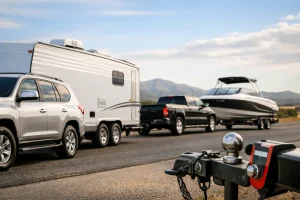
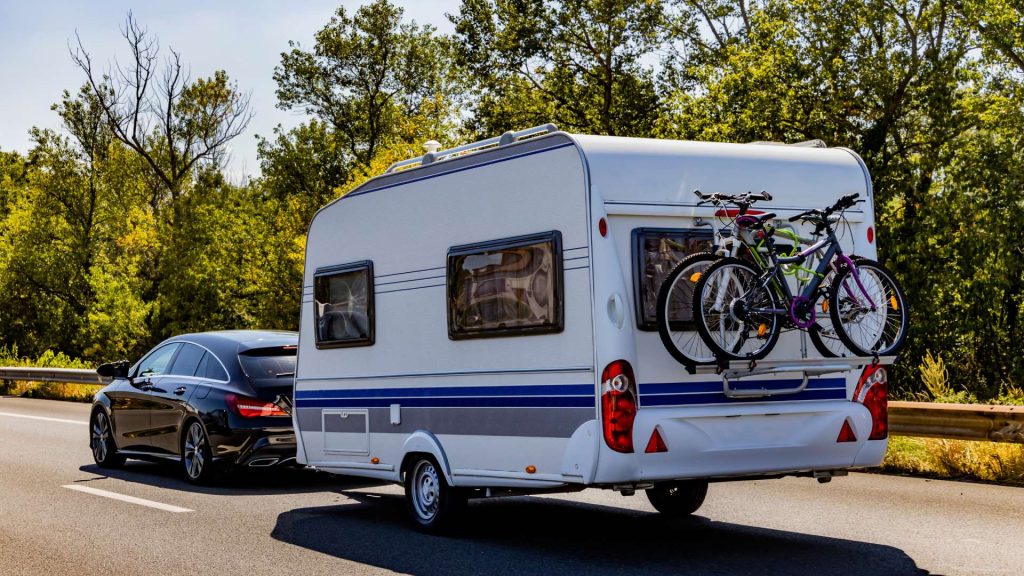
Towing a trailer might seem straightforward, but without the right preparation and knowledge, it can quickly become a dangerous task. Whether you’re towing a small utility trailer, a caravan, or a heavier load, safety should always be your top priority.
Many accidents are caused by improper loading, poor driving habits, or vehicles not fit for towing – all of which can be avoided with a bit of planning and know-how.
In this blog, we’ll walk you through the essential tips and best practices to ensure you’re towing safely and legally.
From choosing the right towbar to mastering your driving technique, these steps will help protect both you and other road users on every journey.
Know Your Vehicle’s Towing Capacity
Before attaching a trailer, it’s crucial to understand your vehicle’s towing capacity. This can usually be found in your owner’s manual or by checking the manufacturer’s website.
Every vehicle has a braked and unbraked towing limit – exceeding these figures can be dangerous and, in many cases, illegal.
Overloading your vehicle places excess strain on the engine, brakes, and suspension system. It also affects your ability to steer and stop, increasing the risk of accidents.
Knowing your limits ensures your vehicle performs as intended when towing and helps you stay compliant with UK law.
Choose the Right Towbar and Hitch
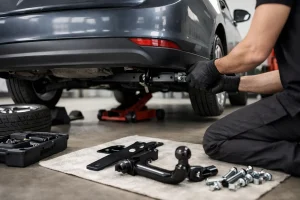
Not all towbars are the same, and using the wrong type can compromise safety. Options include fixed, detachable, swan neck, and flange towbars, each suited to different towing needs.
It’s important to select a towbar that’s compatible with both your vehicle and the trailer you plan to tow.
Professional installation is strongly recommended to ensure the towbar is fitted correctly and meets safety standards.
A poorly installed towbar can loosen under stress or fail entirely, putting you and others at risk. Always opt for a trusted fitter with a good reputation.
Check the Trailer Before Each Journey
Just like your car, your trailer needs to be roadworthy. Before setting off, inspect the tyres for correct pressure and adequate tread depth.
Faulty tyres are one of the most common causes of trailer-related breakdowns and accidents.
Also, check that the trailer lights, including brake and indicator lights, are fully functional. Ensure the load is secure and evenly distributed to prevent swaying or tipping.
Taking five minutes to carry out a pre-journey inspection could save you hours of trouble down the road.
Use Correct Towbar Wiring and Electrics
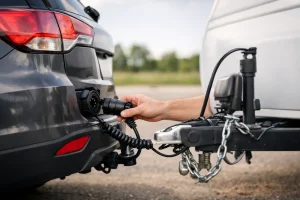
Correct wiring is essential for trailer safety. Most towbars use either a 7-pin or 13-pin electrical socket, depending on the trailer’s requirements.
The socket connects the trailer’s lights to your vehicle, so other drivers can see your indicators, brake lights, and more.
Faulty or outdated wiring can lead to lighting failures, making your trailer virtually invisible in low light or poor weather.
This not only poses a serious safety risk but could also land you with a fine or penalty points. Regularly check connections and consider upgrading your electrics if needed.

Loading Your Trailer Safely
How you load your trailer has a big impact on stability. As a general rule, place around 60% of the weight over the axle, and avoid putting too much weight at the front or rear.
Uneven loads can cause the trailer to sway dangerously at speed.
Make sure all items are properly secured using straps or cargo nets. Loose items can shift during transit, making the trailer unstable and increasing the risk of rollovers.
Proper loading ensures a smoother tow and greater control behind the wheel.
Driving Techniques While Towing
Driving with a trailer is very different to driving solo. Your acceleration will be slower, and braking distances will increase.
It’s vital to leave more space between you and the vehicle in front, and to drive at lower speeds, particularly when cornering or going downhill.
When towing, take wider turns to account for the added length of the trailer, and use lower gears when ascending or descending hills to maintain better control.
Anticipating hazards and road conditions ahead gives you more time to react, which is key to safe towing.
Reversing with a Trailer
Reversing with a trailer can feel unnatural at first because the trailer moves in the opposite direction to your steering inputs.
The trick is to go slowly and make small, controlled adjustments using your mirrors to guide you.
Practice in a quiet car park or open space until you feel confident. Remember, the more you practise, the better your control will be.
With time and patience, reversing will become a manageable part of towing.
Legal Considerations and Requirements
It’s important to be aware of the legal requirements surrounding towing in the UK.
Depending on when you passed your driving test, you may or may not be allowed to tow certain trailer weights without additional qualifications. Always check your licence entitlements before towing.
UK laws also impose specific speed limits for vehicles towing trailers – usually 60mph on motorways and dual carriageways, and 50mph on single carriageways.
Your trailer must also display a matching number plate and be fitted with working lights and reflectors.
Ongoing Maintenance Tips
Keeping your trailer and towing equipment well maintained is just as important as regular vehicle servicing.
Check tyre condition, brake systems, and electrical connections after every few uses to ensure everything is working as it should.
Store your trailer in a covered or dry area when not in use to prevent rust and corrosion. Regularly clean and inspect your towbar, especially if it’s detachable.
Keeping everything in good condition will help extend the life of your gear and make towing safer.

Conclusion
Towing a trailer safely comes down to being prepared, staying within limits, and driving responsibly.
Understanding your vehicle’s capabilities, loading your trailer correctly, and making routine safety checks can make all the difference.
By following these best practices, you’ll not only stay compliant with UK regulations but also protect yourself and others on the road.
If you’re ever unsure about your towing setup or equipment, don’t hesitate to speak to a professional for advice or a safety inspection.