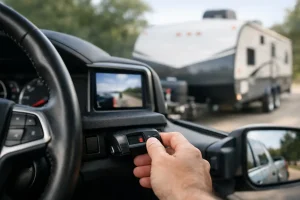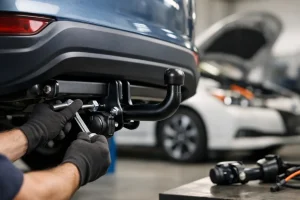

A towbar that looks fine in the car park can still be wrong for the job. That is usually where the trouble starts – poor electrics, warning lights on the dash, awkward trailer behaviour, or a setup that simply does not suit how you actually use the vehicle. Good towbar fitting is not just about bolting metal to the back of a car or van. It is about matching the right equipment to the vehicle, the load, and the way you tow.
For many drivers, towing is not an everyday task until it suddenly matters. You might be collecting a trailer, heading off with a caravan, moving work equipment, or using a bike rack for weekends away. In each case, the towbar has to do more than fit. It needs to work safely, comply with the vehicle’s limits, and integrate properly with the electrics.
What proper towbar fitting involves
There is a big difference between a universal approach and a vehicle-specific installation. Modern vehicles often need dedicated wiring kits that communicate with onboard systems, recognise when a trailer is connected, and support features such as trailer stability control, parking sensor adjustment and bulb failure monitoring. If those systems are ignored or bypassed, the result can be unreliable at best and unsafe at worst.
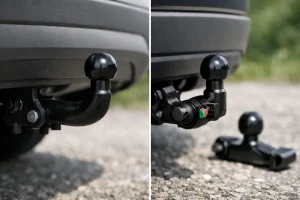
The mechanical side matters just as much. A towbar has to be correctly selected for the vehicle and fitted to manufacturer-approved mounting points. The type of towbar also needs to suit the job. Some owners want a fixed towbar because it is practical and always ready. Others prefer detachable or swan neck designs for appearance, access or compatibility with certain accessories. There is no single best answer for every driver. It depends on what you tow, how often you tow, and whether the vehicle doubles as a family car through the week.
When towbar fitting is done properly, the finished result feels straightforward. The socket is positioned correctly, the towing height is sensible, the electrics function as they should, and the installation looks neat rather than improvised. That is what a professional fitting should deliver – not just a towbar, but confidence in the whole setup.
Choosing the right towbar for the vehicle
One of the most common mistakes is choosing a towbar based purely on price. Cost matters, of course, but the cheapest option is not always the most suitable once towing needs are taken into account. A small hatchback used occasionally for light trailer work has very different requirements from a commercial van pulling tools and equipment through the week.
Fixed towbars are often the sensible choice for drivers who tow regularly. They are durable, simple and ready to use at any time. Detachable towbars can make more sense if you want to remove the neck when it is not needed, either for appearance or to keep access clear at the rear of the vehicle. Flange towbars are still popular in some cases, especially where specific accessories or towing arrangements are needed.
The key point is that the vehicle sets the limits. Towing capacity, nose weight and vehicle design all affect what can be fitted and how it should be used. A proper assessment avoids the false economy of fitting something unsuitable and then needing to correct it later.
Vehicle electrics are no longer a small detail
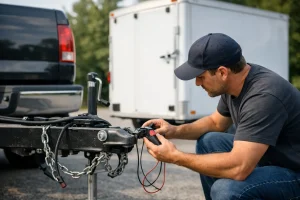
On older vehicles, towing electrics were often relatively straightforward. On many modern cars and vans, they are not. Dedicated wiring kits are designed to work with the vehicle’s existing systems rather than simply taking power from whatever wires are nearby. That matters because towing can affect reversing sensors, stability systems and dashboard messages.
If the wiring is incorrect, customers can end up with faults that appear unrelated at first glance. Parking sensors may constantly sound when a bike rack is fitted. Trailer lights may behave unpredictably. In some cases, battery drain or warning lights become an issue. This is why professional towbar fitting includes the electrical side as part of the job, not as an afterthought.
Why professional towbar fitting is worth it
There is a reason experienced fitters start by asking questions. What are you towing? How often? What vehicle do you have? Do you need single or twin electrics? Will you be carrying bikes as well as towing a trailer? These details shape the right installation.
Professional fitting saves guesswork. It also reduces the chance of hidden problems, such as trims not being refitted properly, wiring routed poorly, sockets mounted awkwardly or towing systems that interfere with other vehicle functions. A well-fitted towbar should feel like part of the vehicle, not an add-on that creates fresh problems.
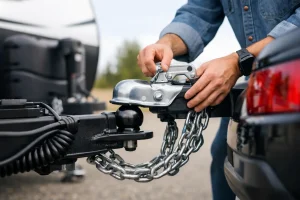
There is also the matter of safety and legality. The towbar itself, the mounting points, and the electrical connection all need to be suitable for road use. Drivers often assume that if a trailer can be attached, the job is done. It is not that simple. Safe towing depends on correct installation, correct loading and a vehicle setup that is actually rated for the work.
Towbar fitting for cars, SUVs and vans
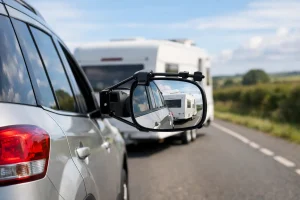
Different vehicles bring different challenges. Compact cars may have tighter limits and less space to work with, so the choice of towbar and wiring has to be careful. SUVs are often used for caravans, horseboxes or larger trailers, which places more emphasis on towing capacity and stable electrical performance. Vans are frequently work vehicles, where reliability and durability matter because downtime costs money.
That is why a one-size-fits-all approach does not work. The same towbar style that suits one customer perfectly may be the wrong fit for another. A tradesperson towing every week will usually value practicality above all else. A family using a bike carrier and the occasional trailer may prioritise a cleaner look and easy removal.
Common problems after poor towbar fitting
Bad installation work tends to show itself sooner or later. Sometimes it appears on day one, sometimes only when the trailer is loaded and on the road. Typical issues include loose fittings, badly mounted sockets, electrical faults, warning lights, sensor interference and trims that never quite sit back correctly.
Then there are the less obvious problems. A customer may find that the towbar blocks access, does not work well with the intended accessory, or was fitted without proper consideration of how the vehicle is actually used. That can be frustrating when the original aim was convenience.
Professional fitting is about avoiding those headaches in the first place. It is easier to do the job correctly from the start than to troubleshoot a poor installation later.
More than the towbar itself
A good towing setup often involves more than just the towbar. Reversing can be harder once a trailer is in the picture, especially on larger vehicles or busy driveways. Parking sensors can make daily use easier, while dash cams add another layer of reassurance for drivers covering miles with trailers, tools or family kit behind them.
Trailer condition matters too. Even a perfectly fitted towbar cannot compensate for a trailer with worn parts, lighting faults or braking issues. That is why it helps to use a workshop that understands the wider picture of towing, not only the fitting on the vehicle but the trailer and support equipment as well.
For customers in Doncaster and surrounding areas, this practical approach is often what makes the difference. Doncaster Towbars works with motorists, caravan users, van owners and tradespeople who need the right answer for the job, not a generic fitting that happens to be available on the day.
What to ask before booking a towbar fitting
Before any installation goes ahead, it is worth having a proper conversation about the vehicle and intended use. Ask what type of towbar is recommended and why. Ask whether dedicated electrics are needed. Ask how the fitting will affect parking sensors or vehicle systems. If you are towing a caravan, trailer or carrying bikes, mention that at the start.
You should also expect clear advice on suitability. Sometimes the best answer is not the cheapest or the quickest, but the one that avoids trouble later. A good fitter will explain the options in plain terms and recommend the setup that fits your vehicle and the work you need it to do.
Towbar fitting should leave you feeling ready to tow, not wondering whether everything will behave once you plug in the trailer. If you need a setup that is safe, tidy and properly matched to your vehicle, speak to a specialist and get it sorted before the next journey. A towbar is only useful when you can trust it.