The allure of DIY projects is undeniable, offering the promise of savings and the personal satisfaction of accomplishing a task on one’s own. When it comes to installing a towbar, the motivations are no different.
Many vehicle owners contemplate undertaking this task, drawn by the potential cost benefits and the appeal of a custom job.
However, the complexities involved in towbar installation are often underestimated, raising questions about the true value of this DIY endeavour.
This exploration seeks to shed light on the intricacies of the process, guiding vehicle owners towards making an informed decision.
Choosing to install a towbar without professional assistance is not merely a matter of following instructions.
It involves a deep understanding of one’s vehicle, the right tools, and a significant time investment.
The perceived saving on installation costs must be weighed against the time spent and the risk of potential issues.
As we delve deeper into the requirements and challenges of DIY towbar installation, we invite readers to consider whether the effort truly aligns with the benefits or if the task is best left to professionals.
Understanding Towbar Types and Vehicle Specifications
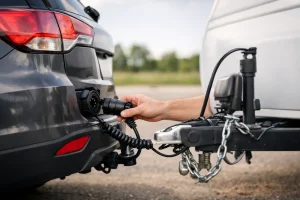
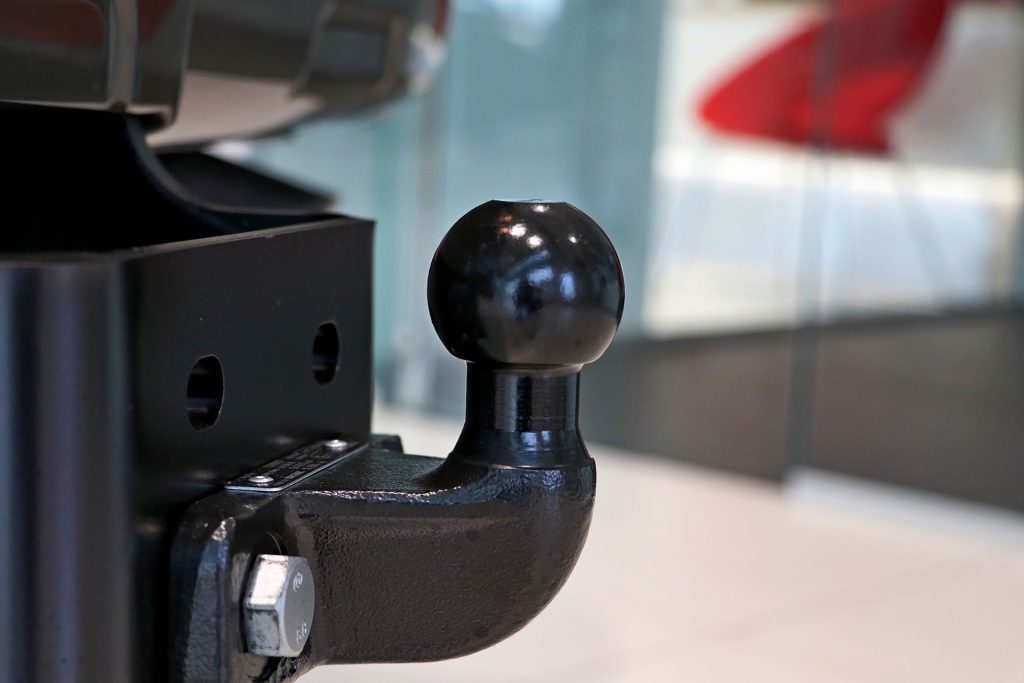
Selecting the appropriate towbar is the first step in a successful installation. The market offers various options, including fixed, detachable, and swan neck towbars, each suited to different vehicles and towing needs.
This decision is crucial, as the wrong choice can lead to compatibility issues or suboptimal performance.
Moreover, understanding your vehicle’s specifications is paramount. Factors such as towing capacity and electrical system compatibility play a vital role in ensuring the towbar functions safely and effectively.
The complexity of matching the towbar to the vehicle’s specifications cannot be overstated.
It requires not just a cursory knowledge but a thorough understanding of both the vehicle and the towbar. Missteps in this initial phase can lead to wasted resources and potential damage.
Hence, the decision to proceed with a DIY installation necessitates a confident grasp of these elements, highlighting the importance of detailed research and preparation.
Tools and Equipment Needed
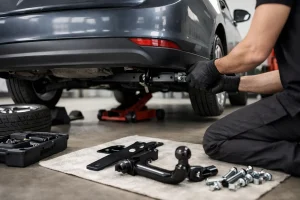
Embarking on a DIY towbar installation means having the right tools and equipment at hand. This includes not just basic tools but also specialised equipment that might not be part of a standard DIY toolkit.
For instance, vehicle-specific wiring kits and the means to alter the car’s bodywork are often necessary. The investment in such tools raises the initial cost, potentially offsetting the savings from avoiding professional installation services.
Beyond the financial aspect, the requirement for specialised tools underscores the technical challenge of towbar installation. It’s not simply a matter of following instructions but also having the skill to use these tools correctly.
This barrier can make DIY installation less appealing for those without a mechanical background, prompting a reconsideration of the value of professional expertise.
The Value of Professional Expertise
While DIY projects have their place, the installation of a towbar stands out as a task where professional expertise can be invaluable.
Professionals bring not only the right tools but also the experience and knowledge to ensure the installation meets all safety and performance standards.
This expertise is particularly critical when dealing with the vehicle’s electrical systems, which can be complex and sensitive to incorrect handling.
A professional installation guarantees that these systems are integrated seamlessly, avoiding the risk of faults or failures.
Furthermore, professionals are adept at navigating the myriad of regulations surrounding towbar installation. This knowledge ensures that the installation complies with all legal requirements, safeguarding against fines or penalties.
The peace of mind that comes with a professional installation, backed by warranties and assurances, is often worth more than the perceived savings of a DIY approach.
Conclusion
The journey of DIY towbar installation is fraught with challenges, from selecting the correct towbar to mastering the technical skills required for a safe and effective installation.
While the allure of savings and self-satisfaction is strong, the risks and complexities involved cannot be overlooked.
As we have explored, the benefits of professional installation often outweigh the potential savings of a DIY approach, offering a guarantee of safety, legality, and quality.
For vehicle owners considering this task, it’s essential to weigh the true cost of DIY installation against the value of professional expertise.
The decision should not only reflect a consideration of financial savings but also the importance of safety, compliance, and peace of mind.
In many cases, the hassle of DIY towbar installation may not justify the savings, making professional services the prudent choice.