A caravan that has stood on the drive since last season can look ready for the road while its brakes, bearings or electrics tell a different story. Trailer servicing for caravans focuses on the parts that keep the caravan stable, stopping properly and visible to other road users – the things that matter most once you are towing at speed or negotiating a busy campsite.
For caravan owners around Doncaster, Rotherham and South Yorkshire, a proper service is a practical way to prepare for a holiday, a long storage period or regular touring. It gives you a clear picture of your caravan’s running gear before a small issue becomes a recovery job at the roadside.
What trailer servicing for caravans covers
A caravan service is not always one single job. The chassis and towing equipment need different checks from the habitation side, such as the gas system, water system and internal appliances. A trailer-focused service concentrates on the mechanical and electrical components underneath and at the front of the caravan.
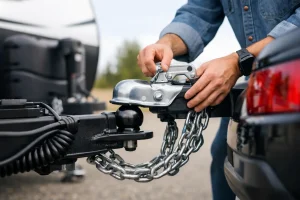
The starting point is the coupling assembly. The hitch should engage securely with the towball, the stabiliser should operate correctly, and the breakaway cable must be in sound condition and attached correctly when towing. The jockey wheel, handle and clamp also need attention. These parts are easy to overlook, yet they do a great deal of work when hitching, unhitching and manoeuvring.
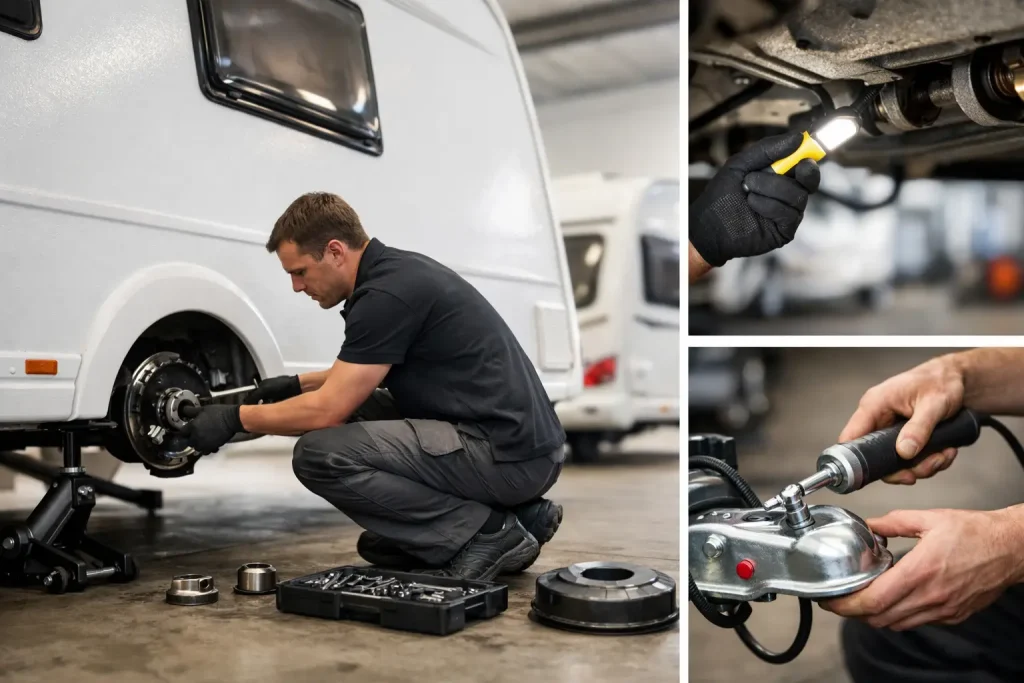
The braking system is equally important. Caravan overrun brakes work when the caravan pushes forward against the towing vehicle under braking. A technician can inspect the linkage, brake rods, cables, compensator and brake shoes, then adjust the brakes where required. Sticking components, excessive travel at the hitch or uneven braking can affect both stopping performance and how settled the caravan feels behind the car.
Wheel bearings and hubs are checked for wear, roughness and excessive movement. Bearings may last well, but age, water ingress, lack of use and high mileage can all cause problems. Repacking or replacement should be based on their condition and the manufacturer’s guidance, not guesswork.
A service should also include a close inspection of tyres, wheels and suspension. Tyres can degrade with age even when the tread looks healthy, particularly on caravans that spend long periods stationary. Sidewall cracking, flat spots, incorrect pressure, damaged valve stems and poor wheel condition all deserve attention. It is also sensible to confirm that the spare wheel is present, usable and inflated to the correct pressure.
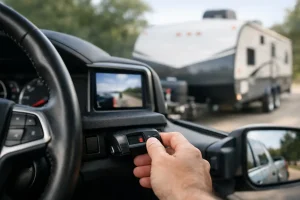
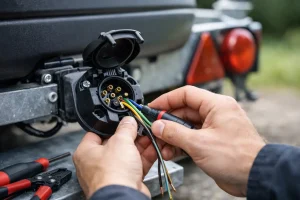
Finally, the electrical system needs testing. Road lights, indicators, brake lights, reversing lights where fitted, number plate illumination and the 13-pin plug all need to work correctly with the towing vehicle. A clean, secure plug and sound wiring reduce the chance of intermittent faults that only appear in wet weather or after a few miles on the road.
Why a visual check is not enough
It makes sense to walk around your caravan before every journey. Check the lights, tyres, hitch and breakaway cable, and make sure windows, rooflights and lockers are secure. However, this is not a replacement for workshop inspection.
Brake cables can seize inside their outer sleeves, bearings can begin to fail before they make obvious noise, and brake shoes may be contaminated or worn without showing from the outside. Likewise, a tyre’s date code can reveal that it is older than it first appears. These are the sorts of issues best found with the caravan safely raised and the wheels removed where necessary.
There is also a difference between a caravan that is technically movable and one that is ready for a motorway journey. A light that flickers or a brake that drags slightly may not stop you leaving the drive, but neither should be accepted as normal before travelling with passengers, luggage and a fully loaded caravan.
How often should a caravan be serviced?
For most touring caravans, an annual chassis and running-gear service is a sensible routine. It is particularly worthwhile before the main holiday season, after a caravan has been stored over winter, or before a longer tour. Owners who cover substantial mileage, tow through winter or use their caravan on rough access roads may need more frequent checks.
The right interval can also depend on the caravan’s age, how it is stored and its previous maintenance record. A newer caravan that is used lightly and kept under cover may need less remedial work than an older model left outside all year. That does not mean it should be ignored – it simply means servicing can be planned around its actual condition.
If you have recently bought a used caravan, booking a service early is a good decision. It establishes a baseline and can identify issues inherited from the previous owner, including mismatched tyres, tired brake components or damaged wiring.
Signs you should not wait for the next service
Some faults call for attention before the calendar says so. A caravan that pulls to one side under braking, feels unsettled, produces grinding or rumbling from a wheel, or has a hot hub after a journey should be inspected promptly. So should a hitch that is difficult to operate, a breakaway cable showing corrosion or fraying, and lights that fail intermittently.
Tyre damage deserves the same urgency. Bulges, visible cracking, cuts or a persistent pressure loss are reasons to stop and investigate rather than hoping the tyre will manage one more trip.
The service items that affect safe towing most
Every part of the caravan has a role, but a few areas have the greatest direct effect on towing safety. Brakes and tyres come first because they affect stopping distance, control and stability. Correctly adjusted brakes help the towing vehicle and caravan work together rather than fighting each other under braking.
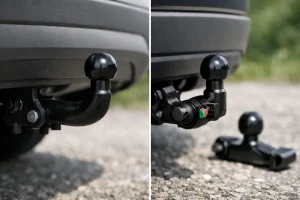
The hitch and stabiliser are next. A worn or poorly functioning coupling can make hitching less secure and reduce confidence when towing. The breakaway cable is a vital backup, designed to apply the caravan brakes if it becomes detached from the towing vehicle. It should be correctly routed and connected, not looped around parts of the towbar where it may not operate as intended.
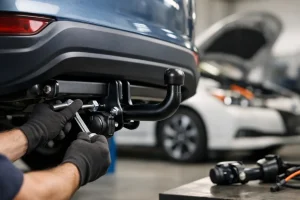
Electrics are often treated as a minor convenience until an indicator or brake light fails in traffic. Reliable trailer electrics allow other road users to understand what you are doing, especially when the caravan hides much of the towing vehicle’s rear lighting. If you have changed vehicle, had a towbar fitted or experienced electrical faults, it is worth having the full towing set-up checked together.
Caravan chassis servicing and habitation servicing
Caravan owners sometimes book a service expecting every system to be covered, only to find that the appointment was for the chassis alone. It is worth being clear about what you need.
A chassis or trailer service is concerned with towing-related mechanical and road safety items: brakes, hubs, bearings, tyres, suspension, hitch and road lights. A habitation service covers the living area, often including gas appliances, heating, water, internal electrics, ventilation and damp checks. Both are valuable, but they are different jobs requiring different checks and, in some cases, different specialists.
If your caravan is due its annual check, ask what is included before booking. That way, you can arrange the right work and avoid assuming that an appliance or damp issue has been inspected as part of a running-gear service.
Looking after your caravan between appointments
A little regular attention makes servicing more effective and can reduce unexpected repairs. Keep the hitch and plug protected from prolonged weather exposure, check tyre pressures when the tyres are cold, and avoid leaving the handbrake applied for months in storage if the manufacturer’s storage advice recommends chocking instead. Moving the caravan occasionally can also help prevent tyres developing flat spots and brakes binding.
Before each trip, test the lights with the caravan connected to the towing vehicle and inspect the 13-pin plug for dirt, corrosion or bent pins. Confirm the caravan is loaded sensibly, with heavy items kept low and close to the axle. An overloaded or badly balanced caravan can feel unstable even when its mechanical parts are in good condition.
At Doncaster Towbars, caravan owners can bring in their trailer for practical servicing, repairs and fault-finding from technicians who understand the complete towing set-up. Book before a major trip where possible, and give yourself time to deal with any parts or repairs found. The best time to discover a worn bearing or weak brake cable is in the workshop, not halfway to your pitch.