You only need to overload a vehicle once to realise how little guesswork belongs in towing. A caravan that feels stable at 40 mph can become unsettled on a dual carriageway, and a trailer that looks well within limits can still put too much strain on the car, towbar or axle. That is why vehicle towing capacity explained properly matters – not as a technical detail, but as the difference between a safe journey and an expensive mistake.
What vehicle towing capacity explained really means
Towing capacity is the maximum weight a vehicle is designed and approved to pull. That figure is set by the manufacturer and is based on the vehicle’s engine, gearbox, brakes, chassis strength, cooling system and overall design. It is not simply a matter of whether a towbar can be fitted.
This is where many drivers get caught out. A strong-looking SUV may not tow as much as expected, while some vans are rated to pull far more than a family car of similar size. The legal limit always comes back to the specific vehicle and its approved weights, not what seems reasonable by eye.
You also need to separate towing capacity from payload. Payload is what the vehicle carries inside it. Towing capacity is what it pulls behind it. Both matter, and both can affect one another once passengers, tools, luggage and trailer load are added into the equation.
The key weights that actually matter
When customers ask how much they can tow, the answer usually starts with the vehicle plate and handbook. Those are the proper sources, because they show the approved weights for that exact model.
Gross Vehicle Weight and Gross Train Weight
Gross Vehicle Weight, often shortened to GVW, is the maximum the vehicle itself can weigh when loaded. That includes the vehicle, fuel, driver, passengers and anything carried inside.
Gross Train Weight, or GTW, is the maximum combined weight of the loaded vehicle and the loaded trailer together. If you subtract the actual loaded weight of the tow vehicle from the GTW, you get a clearer idea of what can be towed in real conditions.
That last point matters because the headline towing figure is not always the whole story. If the vehicle is heavily loaded with people and equipment, the amount it can safely and legally tow may be reduced.
Braked and unbraked towing limits
Most vehicles have two separate towing figures. The higher one is for a braked trailer, meaning the trailer has its own braking system. The lower one is for an unbraked trailer.
Unbraked limits are usually much lower, often around 500kg to 750kg depending on the vehicle. If you are towing a small domestic trailer for garden waste or light equipment, this is often the figure that applies. For caravans, plant trailers and larger loads, the braked towing limit is usually the relevant one.
Noseweight
Noseweight is the downward force the trailer applies to the towball. It is often overlooked, but it has a big effect on stability and safety. Too little noseweight can make a trailer snake. Too much can overload the rear of the vehicle or exceed the towbar limit.
The correct noseweight range depends on both the vehicle and the towbar. The lower of the two limits is the one that counts. Getting this right is part of setting a trailer up properly, not an optional extra.
Why the towbar is not the towing limit
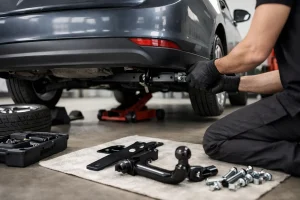
A professionally fitted towbar must match the vehicle and be suitable for the intended use, but fitting a towbar does not increase the manufacturer’s towing capacity. This is one of the most common misunderstandings we see.
A towbar has its own approval rating, including a maximum trailer weight and noseweight, but the vehicle’s limit still comes first. Think of it as a chain. The safe towing limit is only as strong as the weakest approved part – vehicle, towbar, tyres, axle loads and trailer setup all play their part.
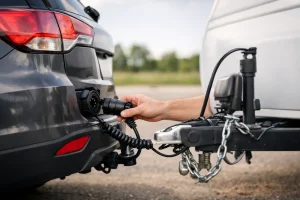
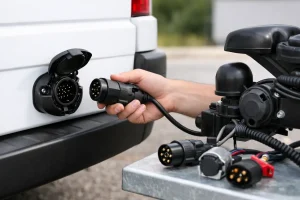
Electrics matter too. Modern vehicles often need vehicle-specific wiring kits so trailer lights, indicators and safety functions work correctly. A poor electrical installation can cause warning lights, sensor issues or unreliable trailer operation. Towing safely is not just about attaching metal to metal.
Why published towing figures do not tell the whole story
Manufacturer towing figures are useful, but they are not a promise that every towing job will feel comfortable. A vehicle may be legally rated to tow a certain weight and still be less than ideal for regular caravan use or long-distance commercial towing.
The reason is balance. Wheelbase, suspension, kerbweight, power delivery and gearbox setup all affect how stable and relaxed the vehicle feels when pulling a load. A lighter vehicle towing near its upper limit may technically comply, but it can feel far less settled than a heavier, better-matched vehicle pulling the same trailer.
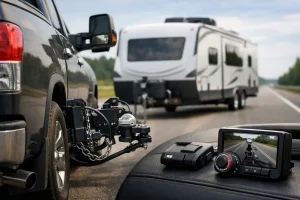
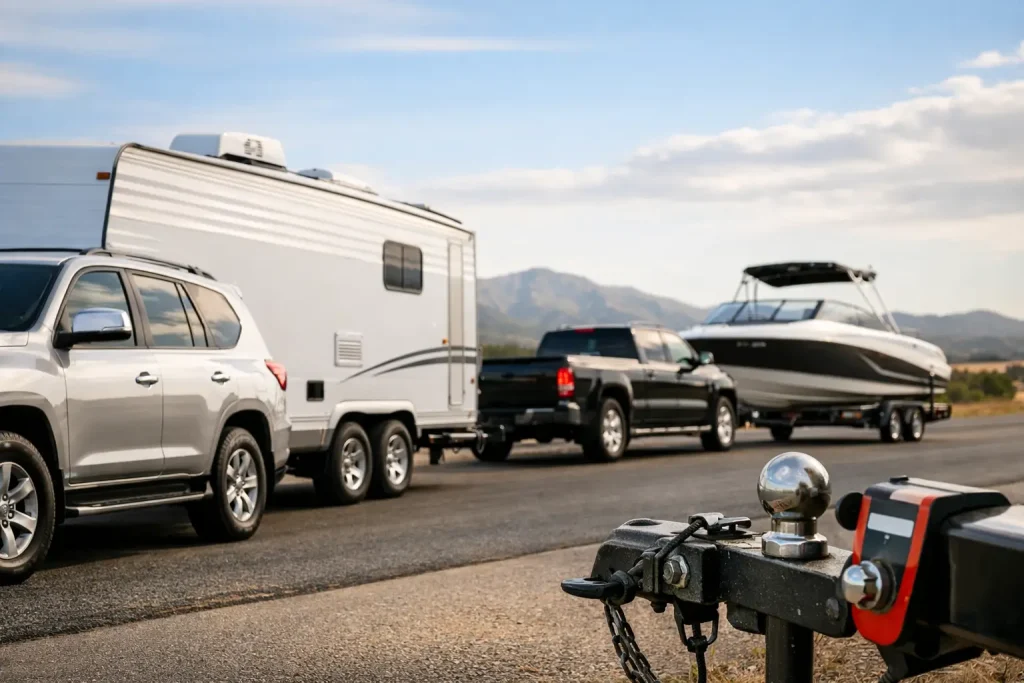
This is particularly relevant for caravan owners. Many prefer to stay well below the maximum towing figure for better control, especially if they are less experienced or travel in mixed weather. The legal limit and the sensible working limit are not always identical.
Matching vehicle and trailer properly
Kerbweight and trailer weight
Kerbweight is the vehicle’s weight with standard equipment and fluids, but usually without passengers and luggage. It is often used as a reference point when matching a car to a caravan.
You may hear rules of thumb about keeping the trailer weight within a certain percentage of the vehicle’s kerbweight. These can be helpful as guidance, especially for newer towers, but they are not a substitute for the actual legal limits. The right match depends on experience, trailer type, loading habits and where the vehicle will be used.
For example, a tradesperson towing a loaded trailer short distances around South Yorkshire may need different advice from a family towing a caravan on long motorway runs. Both need to stay legal, but comfort, stability and day-to-day practicality can point to different setups.
Load distribution changes everything
A trailer within the allowed weight can still be unsafe if loaded badly. Too much weight at the back encourages instability. Uneven side-to-side loading affects balance. Excessive noseweight strains the rear of the vehicle.
Good loading means placing heavier items low down and close to the axle where possible, then checking that the trailer sits level and the noseweight is within limits. It sounds basic, but poor loading is one of the fastest ways to turn a properly rated towing combination into a poor one.
Common mistakes drivers make
The first is assuming towing capacity means the trailer’s empty weight. It does not. The relevant figure is the trailer’s actual loaded weight.
The second is ignoring everything carried in the tow vehicle. Passengers, tools, luggage and accessories all count towards vehicle weight and can affect what remains available for towing within the train weight.
The third is relying on online guesses instead of the VIN plate, handbook or professional advice. Similar-looking models can have different towing limits depending on engine, drivetrain, transmission and year.
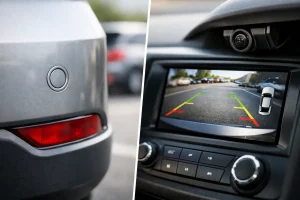
The fourth is fitting universal electrics or budget parts without thinking about compatibility. On newer vehicles, proper integration matters. Parking sensors, stability systems and trailer lighting all need to work as intended.
When professional advice makes the difference
If you tow once a year, you may only need help confirming figures and fitting the right hardware. If you tow regularly for work or leisure, it is worth getting the full setup checked properly – towbar type, electrics, noseweight, trailer condition and whether the vehicle is actually suited to the load you plan to pull.
That is especially true for vans and commercial users. A van may have a strong towing figure on paper, but once stocked with equipment and staff, the real usable margin can shrink quickly. The same goes for family cars loaded for a holiday.
At Doncaster Towbars, this is usually where a proper workshop conversation helps most. A vehicle-specific towbar and wiring kit, fitted correctly, gives you a setup designed to work with the vehicle rather than against it.
Vehicle towing capacity explained for safer towing
The simplest way to think about towing capacity is this: it is not one number, but a set of limits working together. Vehicle weight, train weight, trailer brakes, towbar rating, noseweight and load distribution all have to line up.
Once you understand that, towing becomes much easier to judge. You stop looking for a single headline figure and start looking at the whole combination – vehicle, trailer, load and how you actually use it.
If you are unsure whether your car or van is suitable for towing, or you want a towbar and electrics fitted to suit the job properly, it is always worth asking before you buy or load the trailer. A few minutes of clear advice can save a lot of trouble further down the road.