Reversing into a tight space is rarely the part of driving anyone enjoys, especially when visibility is limited by a high boot line, rear headrests, dark weather or a loaded vehicle. That is exactly why rear parking sensor installation has become such a popular upgrade for cars, SUVs and vans. Done properly, it gives you clear audible warnings as you approach an obstacle and helps take the guesswork out of everyday manoeuvres.
For many drivers, the appeal is simple. It can help prevent low-speed bumps, protect bodywork and make parking less stressful. For van owners, tradespeople and anyone towing or carrying equipment, it is often more than a convenience. It becomes a practical safety aid that makes busy streets, retail car parks and awkward drives easier to handle.
What rear parking sensor installation actually involves
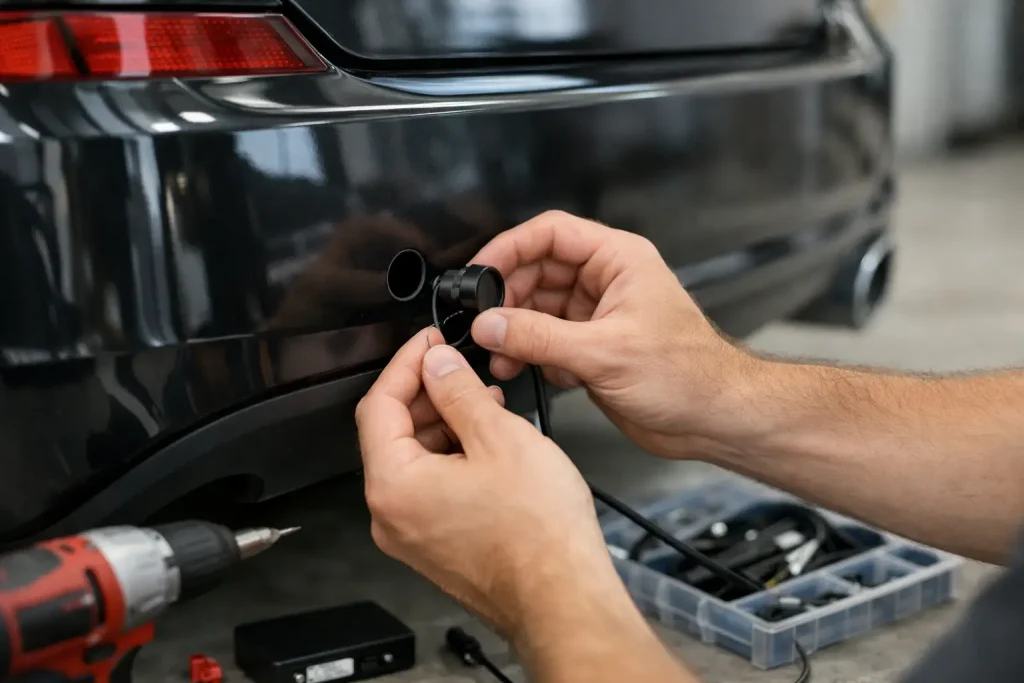
A professional rear parking sensor installation is more than drilling a few holes into the bumper and clipping in sensors. The system needs to be matched to the vehicle, positioned accurately across the bumper, wired correctly and tested to make sure it responds consistently.
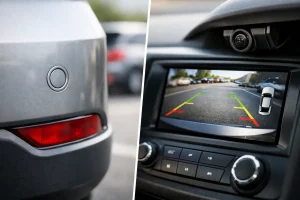
Most kits use either four sensors across the rear bumper or, in some cases, a more tailored setup depending on bumper design and the width of the vehicle. The sensors detect nearby objects and send a warning through a buzzer or speaker inside the cabin. Some systems also add a visual display, although many drivers prefer the simplicity of audible alerts alone.
The fitting itself starts with checking the bumper shape, material and available depth behind it. Not every bumper offers the same clearance, and some vehicles have reinforcement bars, trims or existing wiring that affect where sensors can sit. This is one reason universal kits do not always produce universal results.
Why placement matters more than people expect
Sensor position is one of the biggest factors in how well a system performs. If the sensors are too high, too low or unevenly spaced, detection can become patchy. You may end up with late warnings, false alerts or blind spots near corners.
A proper fit takes into account bumper height from the ground, the curve of the panel and the way the sensors sit once installed. On some vehicles, this means careful measuring to avoid number plate recesses, bumper mouldings or structural sections behind the plastic. On others, it may require colour-matched sensors or angled mounts so the sensor face points correctly.
This is where experience counts. A neat-looking job is important, but so is getting the warning timing right. Sensors should help you judge distance with confidence, not make you second-guess every beep.
Wired systems versus wireless options
When people look into rear parking sensor installation, they often ask whether wireless kits are a good shortcut. The honest answer is that it depends on the vehicle and what you want from the system.
A wired setup is usually the better option for reliability. It gives a stable connection between the sensors, control box and warning unit, and it tends to be less prone to interference or inconsistent performance. That matters on a work van or family car where you want the system to behave the same way every time you reverse.
Wireless kits can be quicker to fit in some cases, but they are not always the best long-term choice. Signal issues, weaker connections and lower-grade components can affect performance. If the aim is dependable daily use rather than a quick budget fix, a professionally fitted wired system is normally the stronger option.
Colour matching, finish and factory-style appearance
One concern drivers often have is whether aftermarket sensors will look obviously added on. A well-fitted system should look tidy and in keeping with the vehicle. Many sensors can be colour matched or supplied in finishes that sit discreetly against the bumper.
The quality of the cut and the alignment of each sensor make a big difference here. Poorly spaced sensors or rough bumper drilling can spoil the finish straight away. A careful installation gives you a cleaner result that looks intentional rather than improvised.
That matters whether you drive a newer car you want to keep smart, or a van where professional presentation still counts. It is a simple upgrade, but it should still look like it belongs on the vehicle.
Rear parking sensor installation on vans and larger vehicles
Rear sensors are especially useful on vans, lorries and larger SUVs because rearward visibility is often worse than drivers realise. Solid rear doors, limited glass area and wider bodywork all make close manoeuvring harder. Add shelving, tools or stock in the back, and visibility can be reduced even further.
In those cases, rear parking sensor installation provides an extra layer of awareness where mirrors alone are not enough. It can help when reversing to loading bays, backing onto drives or parking in tighter urban spaces. For businesses, avoiding even minor bumps can save time, repair costs and vehicle downtime.
That said, larger vehicles may need more thought around sensor height and bumper design. A van bumper sits differently from a hatchback bumper, and the best installation takes those differences seriously rather than using a one-size-fits-all approach.
How sensors work alongside towbars and towing electrics
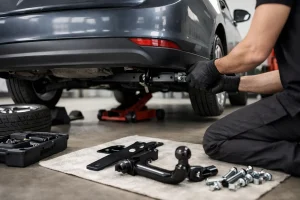
If your vehicle already has a towbar, or you are planning to have one fitted, that should be discussed before the sensors are installed. A towbar can affect how the sensors read the area behind the vehicle. Without the right setup, the system may detect the towball and give constant warnings.
This does not mean you cannot have both. It simply means the installation needs to be planned properly. On some vehicles, sensor positioning can reduce the issue. On others, it makes sense to use a system with a mute switch or a setup designed to work around towing equipment.
That kind of joined-up thinking is important for caravan owners, trailer users and anyone who wants both reversing assistance and towing capability. It avoids the frustration of adding one useful feature only to make another less practical.
Common problems with poor-quality fitting
A rear sensor system is only as good as its installation. Cheap kits and rushed fitting can lead to problems that show up quickly. False beeping in rain, missed obstacles, uneven response and visible wiring are all signs that corners have been cut.
Water ingress is another issue. If seals are poor or wiring is not protected properly, moisture can cause faults over time. The same goes for badly routed cables or insecure control boxes. What starts as a cheaper job can turn into repeat visits and replacement parts.
A professional fitting should include proper routing, secure connections and full testing after installation. It should also account for the way the vehicle is actually used. A daily work van has different demands from a weekend runabout, and the system should be chosen with that in mind.
Is rear parking sensor installation worth it?
For most drivers, yes. The real value is not just in preventing the occasional scuff. It is in making the vehicle easier to live with every day. Reversing becomes calmer, tighter spaces feel less awkward and you are less reliant on guesswork when visibility is poor.
It is not a substitute for careful driving, mirrors or proper observation. Sensors are an aid, not a replacement for attention. They can also have limits with very low objects, narrow posts or unusual angles, depending on the system and the vehicle. But fitted correctly, they are a genuinely useful upgrade rather than a gimmick.
For motorists keeping a car for several years, for van owners working in busy areas, and for anyone who finds reversing unnecessarily stressful, the benefit is easy to appreciate from the first week of use.
Choosing the right installer for rear parking sensor installation
The best installer will not just ask which kit you want. They will ask what you drive, whether the vehicle already has towing equipment, how you use it and what sort of finish you expect. That conversation matters because the right answer for a compact hatchback may be different from the right answer for a commercial van.
Look for a workshop that is used to vehicle electrics, accessory fitting and problem-solving across different makes and models. Rear sensor work sits at the point where neat physical fitting and dependable electrical work meet. You need both.
At Doncaster Towbars, that practical workshop approach is exactly what many local drivers are looking for. If you want reversing sensors fitted properly, with the vehicle, bumper layout and any towing equipment taken into account, it makes sense to speak to a team that handles those details every day.
A good rear sensor system should feel like it was worth doing the moment you select reverse – not because it is flashy, but because it quietly makes the vehicle safer, easier and less stressful to use.