The open road beckons, and you’re eager to explore, but your trusty car needs a little help hauling your gear. Whether it’s a caravan for a glamping getaway, a trailer for a DIY project, or a boat for a day on the water, knowing how much “oomph” your car needs to safely tow is crucial. This guide will equip you with the knowledge to confidently choose the right tow vehicle for your needs.
Types of Towing Titans: Trailers, Caravans, and More
Before diving into horsepower figures, let’s explore the different towing champions you might encounter:
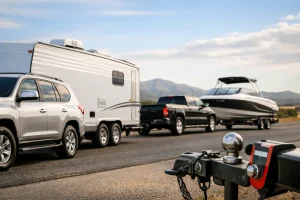
- Trailers: These versatile workhorses come in various sizes and weights, from small utility trailers for garden supplies to hefty construction trailers.
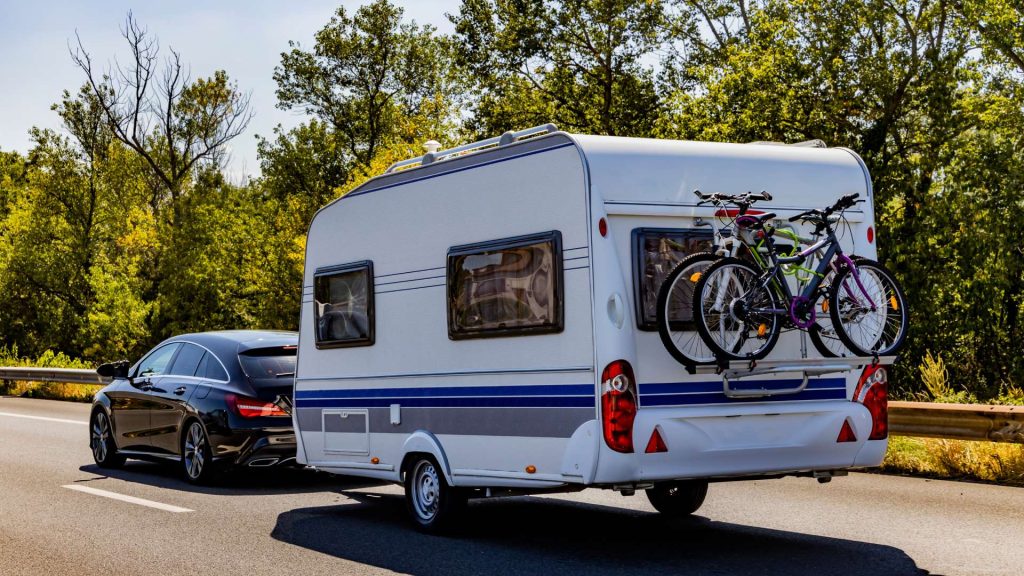
- Caravans: For the ultimate mobile home experience, caravans offer comfortable living quarters on wheels. However, their size and weight can be substantial.
- Boat Trailers: Whether you’re a seasoned angler or a leisurely kayaker, your boat needs a safe and secure ride.
- Horseboxes: Transporting equine companions requires a specialised trailer with specific weight and handling considerations.
The Towing Triangle: Weight, Power, and Safety
Three key factors determine your car’s towing suitability:
1. Towing Capacity: This, measured in kilograms, is the maximum weight your car can safely tow. It considers factors like engine power, braking ability, and suspension strength. Consult your car’s handbook or manufacturer’s website for this vital information. Exceeding the towing capacity is not only dangerous but also illegal.
2. Kerbweight: This is the weight of your car without passengers or cargo. It’s important because towing puts extra strain on the engine and brakes, so a heavier car might not be ideal for heavier loads.
3. Trailer Weight: This includes the weight of the trailer itself plus the cargo you’ll be carrying. Weighing your loaded trailer is highly recommended for accurate calculations.
The 85% Rule: A Safety Buffer
While the towing capacity sets the legal limit, experienced caravanners often follow the “85% rule.” This suggests keeping the trailer’s weight no more than 85% of your car’s weight for optimal handling and performance. This provides a safety buffer, especially for hills and windy conditions.
Beyond Horsepower: Matching Your Needs
While engine power plays a role, factors like torque (pulling power) and transmission type (manual or automatic) also contribute. Here’s a brief breakdown:
- Small Trailers & Caravans: Smaller cars with 1.4-litre engines might suffice for lightweight loads. However, consider upgrading to a 1.6-litre or 2.0-litre engine for added comfort and safety.
- Medium Trailers & Caravans: Mid-range cars with 2.0-litre engines are suitable for many caravans and medium-sized trailers.
- Large Trailers & Caravans: SUVs and larger vehicles with powerful engines (2.5-litre or higher) are better equipped for heavier loads and challenging terrains.
Remember: Choosing the right tow vehicle is not just about muscle. Consider factors like fuel efficiency, trailer size and shape, and your own driving experience for a safe and enjoyable journey.
Essential Extras: Gearing Up for Towing
Once you’ve identified the perfect tow vehicle, ensure you have the necessary equipment:
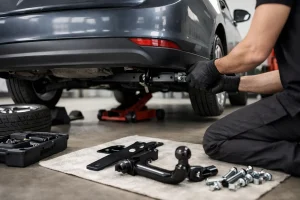
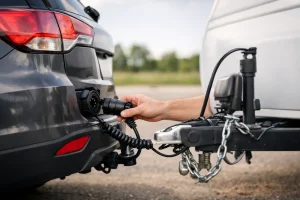
- Tow Bar: Choose a tow bar specifically designed for your car and trailer weight.
- Electric Kit: Ensure proper electrical connection between car and trailer for lights and braking.
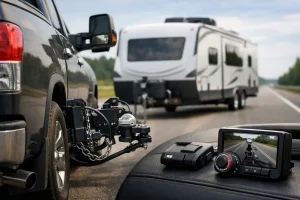
- Mirrors: Extendable mirrors provide better visibility when towing wider trailers.
- Noseweight Gauge: This helps ensure the correct weight distribution on the tow bar, crucial for safe handling.
The Final Lap: Practice Makes Perfect
Before hitting the open road, familiarise yourself with your car’s towing features and practice manoeuvring in a safe, controlled environment. Remember, towing requires additional attention and careful driving.
With this knowledge in hand, you’re well on your way to choosing the perfect towing companion and embarking on unforgettable adventures. So, pack your bags, hitch up your trailer, and let the journey begin!