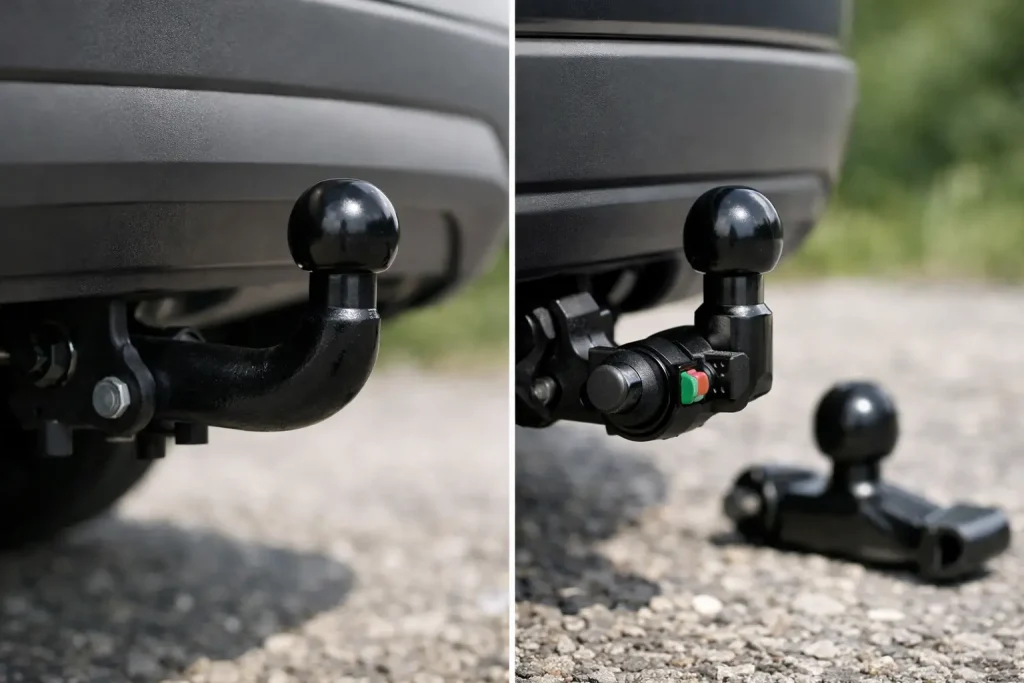
A towbar can be a working tool, not an occasional accessory. If you tow a caravan through the season, carry bikes at weekends or pull a work trailer every day, the choice affects how your vehicle looks, parks and performs. This fixed detachable towbar comparison sets out the practical differences, so you can choose a setup that suits the vehicle and the job rather than simply choosing the cheapest option.
Fixed detachable towbar comparison: the essential difference
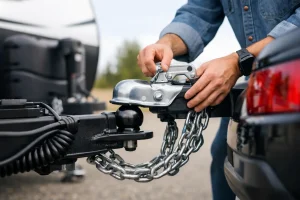
A fixed towbar has a permanently fitted towball. It is ready whenever you need to connect a trailer, caravan, bike carrier or other approved towing accessory. Once installed, there is nothing to remove, store or refit.
A detachable towbar has a removable neck and towball assembly. The vehicle-specific mounting remains discreetly behind or beneath the bumper, while the visible towball can be taken off when you are not towing. Most detachable systems use a secure locking mechanism and a key, with a clear visual or audible indication that the neck is correctly fitted.
Neither type is automatically safer or stronger simply because it is fixed or detachable. A quality, vehicle-approved towbar fitted correctly and used within the vehicle’s towing limits is what matters. The better option comes down to how often you tow, the design of your vehicle, access to the boot and your preference for everyday appearance.
Fixed towbars: built for regular use
For many tradespeople, trailer users and caravan owners, a fixed towbar is the straightforward choice. It is usually the lower-cost option and offers immediate towing access every time you leave the drive. There is no detachable neck to keep in the garage or remember to pack before a trip.
This is particularly useful where a trailer is connected several times a week. Landscapers, builders, mobile businesses and anyone moving equipment regularly often value the simplicity. A fixed towbar is also a sensible option for older vehicles and practical working vans where appearance is less of a concern than availability.
The trade-off is always visible at the rear of the vehicle. On some cars, the towball may sit close enough to the bumper to make loading awkward in tight spaces. It can also be a nuisance when walking behind the vehicle, especially when the boot is being used frequently. Parking sensors are normally positioned and tested around the towbar installation, but a fixed towball may still be detected by some systems or make reversing alerts more noticeable.
A fixed towbar can be an excellent value choice, but it should not be selected on price alone. The towbar must be matched to the vehicle’s approved towing capacity and nose weight, and the electrics need to suit what you will tow.
When fixed makes the most sense
Choose a fixed towbar if you tow often, use a working trailer, want the most economical fitting option or simply prefer a permanent, ready-to-use arrangement. It is practical rather than polished, and for many vehicles that is exactly right.
Detachable towbars: a cleaner everyday finish
A detachable towbar is often preferred by motorists who tow a caravan, trailer or cycle carrier occasionally but want the rear of the car to look standard for the rest of the time. Once the neck is removed, many detachable systems are barely noticeable. This can be especially appealing on newer cars, SUVs and vehicles with a more sculpted rear bumper.
Removing the towball may also improve access around the boot and reduce the chance of catching a shin when unloading shopping, luggage or tools. If your vehicle has rear parking sensors, cameras or advanced driver-assistance features, the unobstructed rear can be more convenient when you are not towing.
The detachable neck should be kept clean, protected and stored somewhere secure. It is a small extra task, but it matters. Dirt in the mounting area, a lost key or a neck left at home can become frustrating when you need to tow at short notice. A good fitter will demonstrate how to fit, remove and check the detachable neck before you leave.
Detachable models generally cost more than fixed alternatives because of the locking mechanism and more complex design. The extra cost is worthwhile for drivers who value a neater finish, but less so for someone coupling up to a trailer every morning.
When detachable is worth the extra cost
A detachable towbar suits occasional towing, newer vehicles, family cars and owners who care about preserving the vehicle’s original appearance. It can also be the better option where a permanently fitted towball would interfere with daily access or be an annoyance in a tight parking space.
Do not overlook the electrics
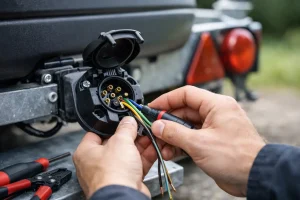
The towbar itself is only one part of a safe towing setup. Your trailer electrics must communicate correctly with the vehicle. Depending on the trailer or caravan, this may mean a 7-pin socket for basic road lights or 13-pin electrics for additional functions such as caravan power and reversing lights.
Vehicle-specific wiring is particularly valuable on modern vehicles. It is designed to work with the car’s electrical system and can support functions such as trailer stability programmes, parking sensor deactivation and correct bulb-failure monitoring where applicable. A universal wiring kit may suit some vehicles and budgets, but it is not always the best answer for a newer car with complex electronics.
For caravan towing, check whether you need permanent live and switched live feeds, not just lighting functions. For cycle carriers, confirm that the carrier is compatible with the socket type and does not obscure your registration plate or lights. These details are easy to get right at the fitting stage and much harder to correct on the morning of a holiday.
Capacity, nose weight and vehicle design matter more than style
A fixed and detachable towbar comparison can only go so far without looking at the vehicle. The manufacturer sets the maximum braked towing weight, unbraked towing weight and permitted nose weight. Those limits apply regardless of which towbar style you choose.
Nose weight is often misunderstood. It is the downward load applied by the trailer coupling onto the towball, and it must stay within both the vehicle and towbar limits. A trailer can be below its total weight limit but still have excessive nose weight if it is loaded badly. Heavy items should be positioned low and close to the trailer axle, following the trailer manufacturer’s guidance.
Bumper shape, exhaust layout, spare-wheel position and sensor placement can all influence the towbar recommended for a particular vehicle. Some cars accept either fixed or detachable versions with little visible difference. Others are much better suited to a detachable design because it keeps the towbar out of sight when removed.
What should you choose for your towing routine?
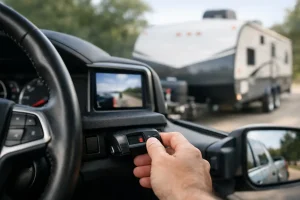
Think about the moments between towing journeys, not just the journey itself. A van that pulls a plant trailer five days a week benefits from a fixed towbar’s permanent convenience. A family SUV towing a caravan a few times each year may justify a detachable system for its clean finish and easier day-to-day use.
Also consider who will operate it. A fixed towbar removes any fitting procedure. A detachable towbar is simple once shown properly, but it requires the user to lock it in place, check the indicator and store the neck securely afterwards. If several people use the vehicle, that routine needs to be understood by everyone.
There is no advantage in paying for a detachable unit if it will stay fitted permanently. Equally, fitting a fixed towbar to a car you take pride in can feel like a compromise if the vehicle only tows twice a year. The right answer is the one that makes towing easier without creating a daily irritation.
Professional fitting gives you confidence before you tow
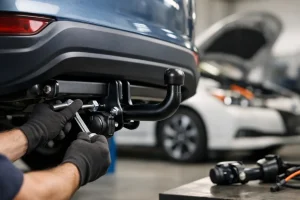
Towbars carry substantial loads and the electrics are safety-critical. Professional installation means the correct vehicle-specific towbar is selected, mounting points are used properly, electrics are tested and the finished setup is checked before collection. It also gives you the chance to discuss trailer type, cycle carrier use, caravan electrics and any concerns about parking sensors.
At Doncaster Towbars, we can assess your vehicle and towing plans before recommending a fixed or detachable option. Bring the practical details: what you tow, how often you tow it and whether you need 7-pin or 13-pin electrics. That conversation usually makes the choice clear.
A towbar should disappear into your routine. Choose the one that is ready when you need it, unobtrusive when you do not, and fitted with the care your vehicle and trailer deserve.