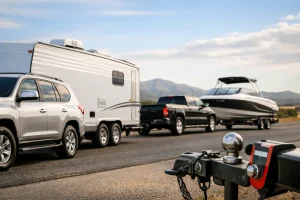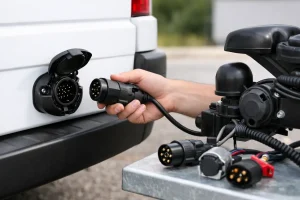
A narrow supermarket bay, a reversing bollard hidden below the rear window line, or a trailer hitch you need to line up first time – these are the moments when reversing assistance earns its place. When customers ask, “parking sensors or camera?”, the right answer depends less on which system is newer and more on how you use your vehicle.
Both options make manoeuvring safer and less stressful, but they do different jobs. Parking sensors tell you how close an obstacle is. A reversing camera shows you what is behind the vehicle. For many drivers, particularly those with larger SUVs, vans or vehicles used for towing, the most useful setup is often a combination of the two.
Parking Sensors or Camera: The Key Difference
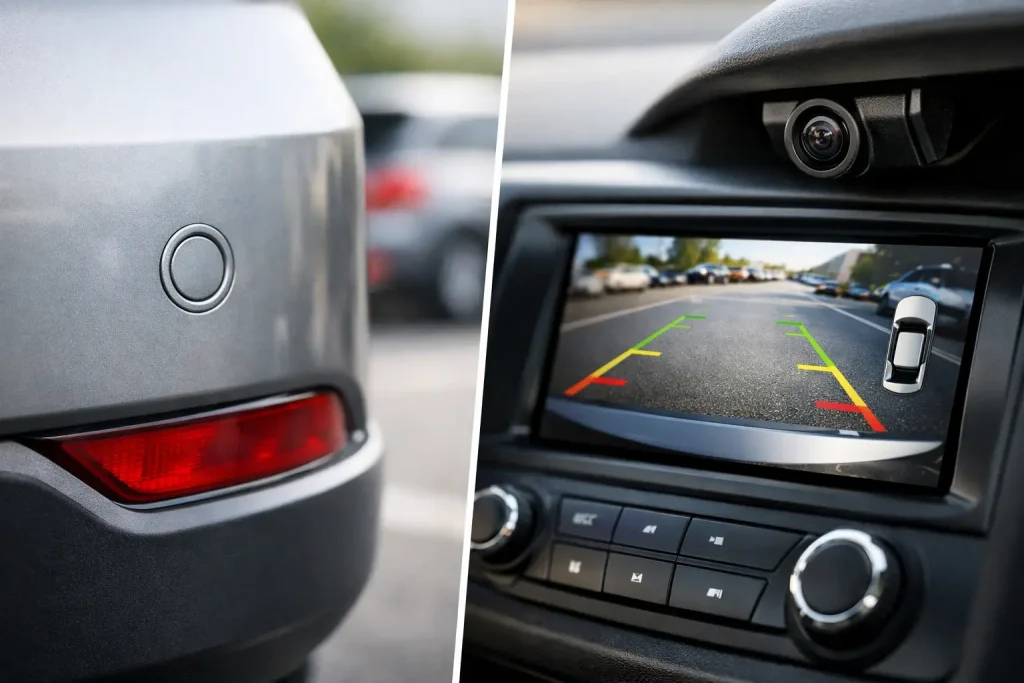
Parking sensors use ultrasonic detectors fitted into the rear bumper, and sometimes the front bumper too. As you reverse towards an object, they sound an audible warning that becomes quicker as the gap closes. Most systems provide a continuous tone when you are very close, taking the guesswork out of tight spaces where mirrors cannot show the whole picture.
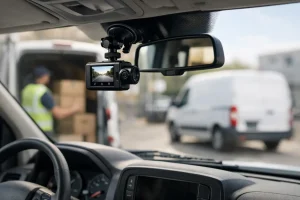
A reversing camera provides a live view behind the vehicle, usually displayed on an existing compatible screen, replacement mirror monitor or dedicated display. It helps you see low obstacles, kerbs, children’s toys, pets and the painted lines of a parking bay. A camera can also make it far easier to position a towball beneath a trailer coupling.
The choice is not simply about convenience. The system needs to suit the vehicle, the available display options, the way it is driven and the quality of the installation. Poorly positioned sensors or badly routed camera wiring can make a useful upgrade frustrating rather than reassuring.
When Parking Sensors Are the Better Choice
Rear parking sensors are an excellent all-round solution for everyday cars, vans and SUVs. They are straightforward to use because the driver does not need to look at a screen. Select reverse, listen to the warning tones and use your mirrors as normal.
They are particularly helpful in situations where visibility is limited by rain, road spray or darkness. A camera lens can become dirty, while sensors will usually continue to provide distance warnings. They are also useful for drivers who prefer an audible prompt rather than another display competing for their attention.
For a work van, sensors can be a sensible choice where the load area or solid rear doors create a significant blind spot. Front sensors can be equally valuable on long vehicles, where judging the distance to a wall, post or another parked car can be difficult from the driver’s seat.
There are limits. Sensors do not tell you exactly what the obstacle is, and they may not reliably detect every narrow, low or unusually shaped object. They can also pick up items such as towballs, bike carriers or spare wheels if the system is not correctly specified and calibrated for the vehicle.
Why professional sensor fitting matters
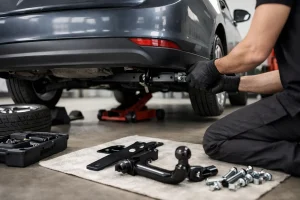
A neat parking sensor installation relies on accurate measuring, drilling and alignment. Sensors must sit at the correct height and angle in the bumper, with even spacing across the vehicle. This allows them to cover the area behind the car without producing unnecessary alerts.
Colour-coded sensors can be matched closely to the bumper finish, helping the installation look like part of the vehicle rather than an add-on. The electrical connection also needs to be secure and correctly integrated with the reverse signal. That is especially important on modern vehicles with sensitive vehicle-specific electrics.
When a Reversing Camera Makes More Sense
A camera is the better option when seeing the area behind the vehicle matters as much as knowing the distance. It gives you context. You can identify whether the obstacle is a kerb, a wall, a person walking behind the vehicle or a trailer drawbar waiting to be connected.
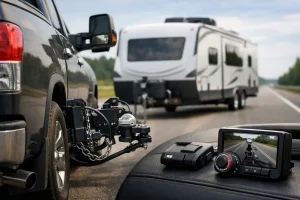
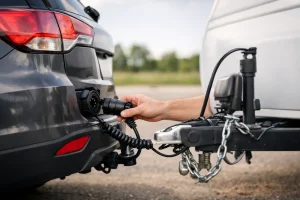
This visual guidance is valuable for towing users. Reversing slowly towards a caravan or trailer coupling can involve several attempts when using mirrors alone. A properly positioned camera can show the towball and hitch area, allowing you to line up more accurately and reduce the need for someone to guide you.
Cameras are also popular on larger vans and motorhomes. The longer the vehicle, the greater the area hidden directly behind it. A wide-angle camera can improve awareness when reversing out of a driveway, loading area or busy car park, although it should always support rather than replace mirror checks and careful observation.
Many cameras include parking guidelines on the screen. These lines can indicate the likely path of the vehicle as you turn, making bay parking easier. However, guidelines are only an aid. They are not a guarantee of clearance, particularly with a trailer attached or when the ground is uneven.
Screen and camera options
The best camera arrangement depends on what equipment is already in the vehicle. Some systems can integrate with a compatible factory-style or aftermarket head unit. Others use a separate monitor, a mirror-mounted display or a screen built into a replacement rear-view mirror.
Camera placement matters too. A discreet unit near the number plate may suit a car or SUV, while a high-mounted camera may give a better view from a van. For towing, the preferred angle may be lower so that the towball is visible. The ideal position is therefore a practical decision, not a one-size-fits-all choice.
A camera lens needs occasional cleaning, particularly in winter or after driving on wet, muddy roads. If your vehicle regularly works on building sites, farms or unmade tracks, bear this in mind when choosing between camera-only assistance and a sensor system.
Is It Better to Have Both?
For many vehicles, yes. Sensors and cameras complement each other well. The camera lets you assess what is behind you, while the sensors provide a clear audible warning when you are getting close. You do not have to keep watching a screen while making the final careful adjustment into a bay or towards a trailer.
This combination is especially worthwhile for drivers who tow, own a large family vehicle, use a commercial van or regularly park in confined spaces. It can also be a sensible upgrade for anyone whose vehicle has limited rear visibility due to head restraints, rear pillars, cargo or tinted rear glass.
That said, fitting both is not essential for every driver. If your priority is an affordable, reliable prompt when reversing into ordinary bays, rear sensors may be all you need. If you frequently hitch trailers or need to spot low obstacles, a camera may offer more immediate value. The best system is the one that solves the visibility problem you actually have.
Points to Consider Before Booking
Think about where you struggle most. Is it the final few inches when reversing towards a wall? Is it seeing behind a van with no rear window? Or is it connecting a trailer without repeatedly getting back into the vehicle? Your answer will point towards sensors, a camera or both.
Also consider your vehicle’s bumper design, existing infotainment system and electrical setup. Vehicles with parking aids already fitted may need a tailored solution to avoid interference. Towbar wiring, rear-mounted accessories and number plate positions can all influence the most suitable camera or sensor layout.
A professional fitting service should assess these details before recommending equipment. At Doncaster Towbars, the focus is on selecting a practical setup, fitting it neatly and ensuring it works correctly before the vehicle leaves the workshop. That means no loose cables, poorly aimed camera view or sensor alerts that make reversing more difficult.
Make Reversing Less of a Guess
Parking assistance is not a substitute for checking mirrors, looking around the vehicle and reversing at a sensible speed. It is an extra layer of information when your view is restricted and space is tight. Fitted well, it can protect bumpers, reduce parking stress and make day-to-day driving or trailer handling noticeably easier.
If you are unsure which system suits your car, van or towing setup, speak to an experienced fitter about how you use the vehicle. A quick discussion about your visibility, parking routine and towing requirements can lead to an upgrade you will use every time you select reverse.