As electric vehicles (EVs) continue to rise in popularity across the UK, many drivers are beginning to consider whether these eco-friendly cars can handle tasks traditionally left to petrol or diesel vehicles, like towing.
Whether you’re planning a caravan holiday, moving a trailer, or hauling small equipment, it’s vital to understand the towing capabilities of electric vehicles before hitting the road.
This blog will provide a clear and practical guide to towing with an EV. We’ll look at whether EVs can tow, how towing affects range, what legal regulations apply, and which electric models are best suited for the job.
Whether you already own an EV or are thinking of switching, this article will help you make informed decisions.
Can Electric Vehicles Tow Trailers?
Yes, some electric vehicles can tow trailers—but not all are built to do so. Towing places extra demand on a vehicle’s powertrain, suspension, and braking systems.
While EVs generally offer excellent torque, not every model is structurally designed to handle the additional load of a trailer or caravan.
Manufacturers must specifically approve an EV for towing and include that capacity in the vehicle’s documentation.
A key consideration is weight distribution and battery placement. Most EVs have their batteries mounted low in the chassis, which improves stability but also means there are limits to how much weight the car can safely pull.
If you’re planning to tow with an EV, it’s crucial to ensure the vehicle is officially rated for it by the manufacturer.
Towing Capacity Ratings for EVs
Every vehicle that’s capable of towing is assigned a maximum towing capacity, which is the maximum weight it can legally and safely pull. For EVs, these limits can vary widely depending on the make and model.
For example, the Tesla Model Y has a towing capacity of up to 1,600kg, while the Kia EV6 can manage around 1,600kg as well. On the other hand, some smaller EVs, such as the Nissan Leaf, aren’t rated for towing at all.
To find out your EV’s towing capacity, check the vehicle’s handbook or the manufacturer’s website. Some cars also have a plate under the bonnet or near the driver’s door with weight information.
It’s important not to exceed these limits, as doing so could compromise your safety, void your warranty, or even land you in legal trouble.

How Towing Affects EV Range and Performance
Towing with an EV can significantly impact your driving range. Pulling a trailer increases aerodynamic drag and adds weight, both of which demand more power from the battery.
It’s not uncommon to see a 30–50% drop in range when towing, depending on the load and road conditions. This is especially important to consider when planning longer journeys with limited charging stops.
In addition to reduced range, towing may affect the vehicle’s acceleration, regenerative braking performance, and handling. Heavier loads put more strain on tyres and suspension, and drivers should allow for longer braking distances.
These changes don’t mean towing is unsafe, but it does require extra care and planning when on the move.
EV Towing Laws and UK Regulations
In the UK, towing laws apply regardless of whether you’re driving a petrol, diesel, or electric vehicle.
Drivers must hold the correct licence category—most people who passed their test before 1 January 1997 are allowed to tow heavier combinations.
However, those who passed after this date may face stricter limits unless they’ve taken a specific towing test. Always check your licence entitlements before towing.
When it comes to EVs, only those that have been type-approved for towing can be used with a trailer or caravan.
This means the manufacturer has tested and approved the vehicle for towing, and the appropriate towing capacity is listed.
You’ll also need to ensure your trailer is road legal, with working lights and brakes where required, and that your load is properly secured.
Best Practices for Towing with an EV
Before setting off, it’s important to carry out a few checks. Ensure your EV is fully charged, and make sure tyre pressures are adjusted for the added weight.
You should also distribute your load evenly across the trailer to maintain balance and reduce sway. Having the correct trailer nose weight is also important for safe handling.
When driving, adapt your style to suit the conditions. Accelerate gently, take corners more slowly, and allow greater stopping distance.
EV drivers should also be mindful of regenerative braking—while it’s useful for energy recovery, its behaviour can change when towing.
Route planning is vital too, so include charging stops that can accommodate a vehicle and trailer.
Do All EVs Come With Towbars?
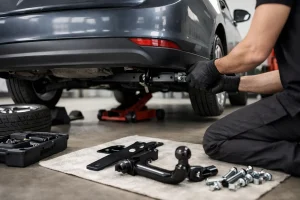
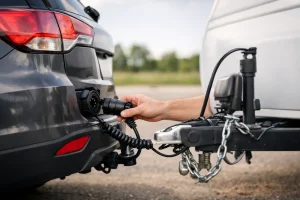
No, most electric vehicles do not come with a towbar as standard. In many cases, towbars must be ordered as an optional extra or installed after purchase.
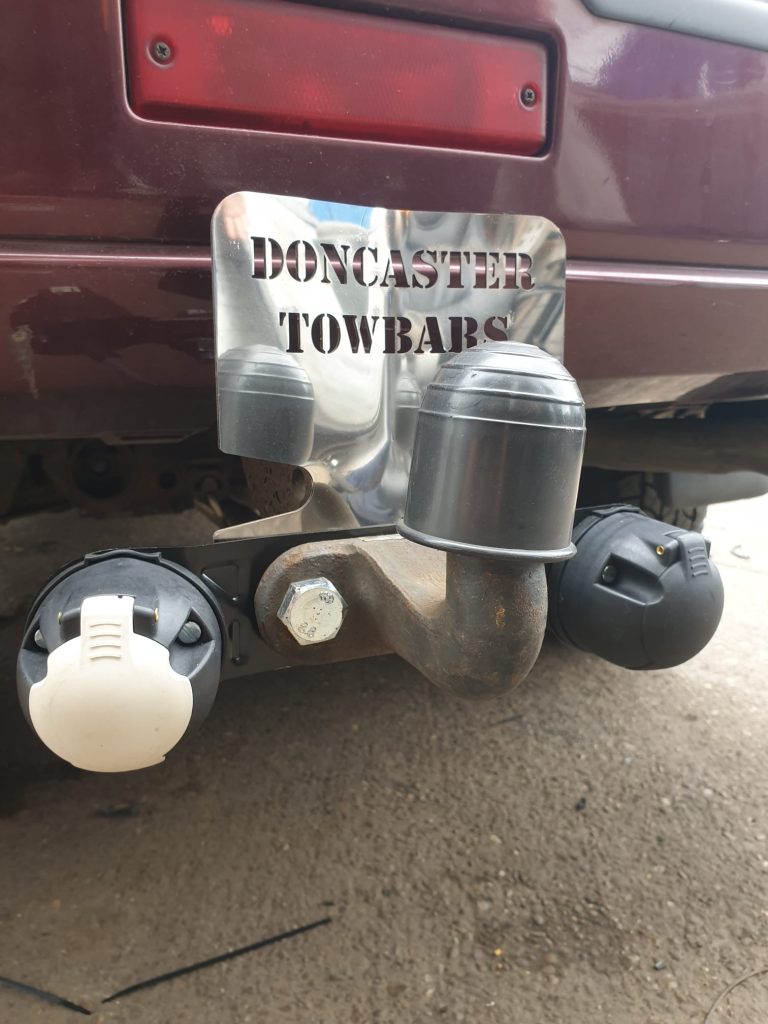
It’s essential to choose a towbar that is compatible with your specific EV model and ensure it’s professionally fitted to meet UK safety standards.
Choosing the right towbar also involves deciding between detachable and fixed options. Detachable towbars offer a cleaner look when not in use, while fixed towbars are ideal for frequent towing.
Be aware that fitting an aftermarket towbar incorrectly can void your vehicle’s warranty, so always use a reputable installer like Doncaster Towbars.
Future of EV Towing in the UK
As technology continues to advance, more EVs are being designed with towing in mind. Electric SUVs and pickup trucks, such as the Rivian R1T and the upcoming electric Ford Ranger, are being built with impressive towing capacities.
These vehicles offer more power, better cooling systems, and improved suspension to handle heavier loads.
Manufacturers are also exploring smart towing systems, including trailer sway detection, wireless brake controllers, and even automated trailer reversing aids.
These innovations are set to make towing with an EV safer and more efficient in the coming years.
The future of EV towing is promising, and it’s likely we’ll see even more capable models enter the market soon.
Conclusion
While not every electric vehicle is suitable for towing, there is a growing selection on the market that is more than up to the task.
It’s vital to check your EV’s towing capacity, understand the impact towing has on performance and range, and comply with UK laws and regulations.
If you’re considering towing with an EV and need a suitable towbar installed, get in touch with Doncaster Towbars.
Our experienced team can recommend the right setup for your vehicle and ensure it’s fitted safely and professionally.