Towing can open up a world of possibilities, from hauling a trailer for a weekend camping trip to transporting heavy equipment for work. However, to safely and efficiently tow, you’ll need the right towbar for your vehicle. With a myriad of options available, choosing the right one can be a daunting task. In this comprehensive guide, we’ll walk you through the factors to consider when selecting a towbar for your vehicle, ensuring that you make an informed decision that suits your towing needs perfectly.
-
Determine Your Towing Needs
The first step in choosing the right towbar for your vehicle is to identify your towing needs. Consider what you’ll be towing and how frequently you’ll be using the towbar. Some common towing scenarios include:
-
Trailer Towing: If you plan to tow a trailer for camping, boating, or moving, you’ll need a towbar designed for this purpose.
-
Caravan Towing: For those who enjoy road trips with a caravan in tow, a specific type of towbar, such as a swan-neck or detachable towbar, might be necessary.
-
Towing Heavy Loads: If your towing needs involve heavy loads or commercial use, you may require a heavy-duty towbar with a higher weight capacity.
-
Understand Towbar Types
Towbars come in various types, each with its advantages and considerations. Here are the main types you’ll encounter:
-
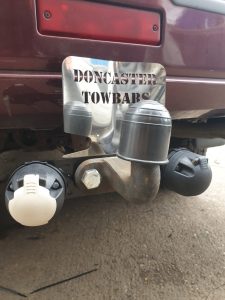
Fixed Towbars: These are permanently attached to your vehicle and provide a sturdy towing solution. They are typically the most affordable option and can have high weight capacities. However, they are visible when not in use and can affect the aesthetics of your vehicle.
-
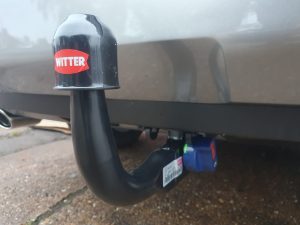
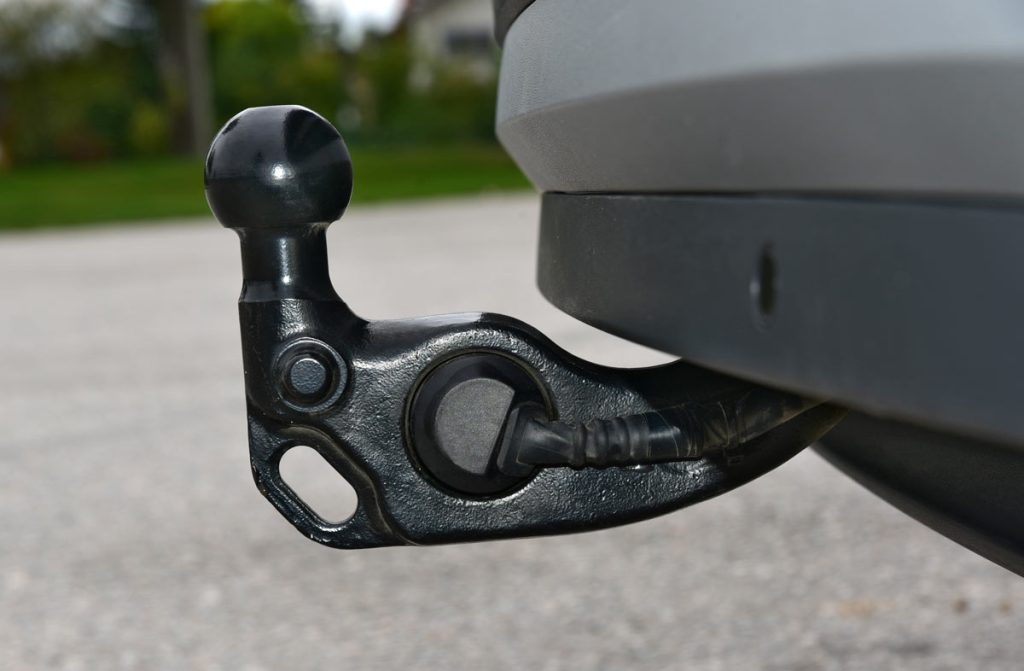
Detachable Towbars: Detachable towbars can be removed when not in use, preserving your vehicle’s appearance. They are a great choice if you want to maintain the sleek look of your car when not towing.
-
Swan-Neck Towbars: Swan-neck towbars have a single, curved neck that connects to the towball. They are compact and stylish, making them a popular choice for caravan owners.
-
Flange Towbars: Flange towbars have a visible bolt-on towball and are versatile for various towing needs. They are often used for towing trailers and are compatible with accessories like bike racks.
-
Check Your Vehicle’s Compatibility
Not all towbars are compatible with every vehicle. Before making a choice, consult your vehicle’s owner’s manual or contact the manufacturer to ensure that your vehicle can accommodate the type of towbar you desire. Additionally, consider factors like the vehicle’s weight capacity, chassis type, and electrical connections needed for towing.
-
Consider Towbar Weight Capacity
The weight capacity of the towbar is crucial for safe towing. It determines the maximum weight your towbar can handle. Ensure that the towbar’s weight capacity matches or exceeds the maximum weight of the trailer or load you plan to tow. Exceeding the weight capacity can compromise safety and lead to accidents.
-
Think About Wiring and Electrical Connections
Proper electrical connections are essential for safe towing. Your towbar will need electrical connections to power trailer lights, indicators, and brake lights. Depending on your towing needs, you may require a specific wiring setup. It’s crucial to ensure that your vehicle’s electrical system is compatible with the towbar’s wiring requirements.
-
Assess Installation Options
Consider whether you prefer professional installation or if you’re comfortable with a DIY approach. While some towbars can be self-installed, others may require professional installation to ensure they are properly fitted and safe for towing.
-
Research Towbar Brands and Quality
Not all towbars are created equal. It’s essential to research reputable towbar brands known for their quality and durability. Read reviews, seek recommendations from other vehicle owners, and check for certifications and warranties to ensure you’re getting a reliable product.
-
Budget Considerations
Towbars vary in price, with factors like type, brand, and additional features affecting the cost. While it’s tempting to choose the cheapest option, it’s crucial to balance your budget with your towing needs and safety requirements. Investing in a high-quality towbar is often a wise decision, as it ensures longevity and reliability.
Conclusion
Choosing the right towbar for your vehicle is a critical decision that impacts your towing safety and convenience. By assessing your towing needs, understanding towbar types, checking compatibility, considering weight capacity, evaluating electrical connections, and researching brands, you can make an informed choice that ensures your towing experiences are hassle-free and safe. Whether you’re towing a trailer for leisure or hauling heavy loads for work, the right towbar will make all the difference in your journey.