The shift to cleaner vehicles isn’t just happening on the daily commute—it’s changing how breakdowns, recoveries and private towing are done. Electric and hybrid tow-trucks cut noise and local emissions, making them ideal for busy town centres and residential streets. But the fundamentals still matter: the right towbar, wiring and a roadworthy trailer are what keep every “green” tow safe and efficient.
What do we mean by electric & hybrid tow-trucks?
Put simply, these are recovery or towing vehicles powered fully by batteries or using hybrid systems that blend an engine with electric assistance. Their biggest wins come on stop-start urban routes—silent starts, smoother low-speed control and less exhaust output around people and shops. Overnight call-outs also benefit from quieter operation.
The eco benefits you can feel
Cleaner local air: Less tailpipe output at the roadside where people live and work.
Lower noise: Quieter manoeuvres in tight spaces, car parks and residential roads.
Better in congestion: Electric torque at low speed makes precision towing and positioning easier, reducing unnecessary revving and fuel burn.
Of course, the tow still depends on well-matched hardware—towbar, wiring and a trailer that rolls freely and brakes true.
Safety & technical considerations for EVs and hybrids
Towing (or recovering) electrified vehicles adds a few nuances to the basics:
Weight & balance: EVs can be heavier; always respect train weight, axle loads and nose weight.
Braking systems: Regenerative braking changes pedal feel; ensure the trailer’s own brakes are serviced and adjusted so they do their share.
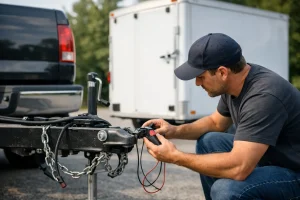
Electrics & lighting: Vehicle-specific wiring keeps CANBUS systems happy and ensures lights, indicators and fog lamps operate as they should. Poor electrics cause faults, errors and unsafe signalling—don’t risk it.
Towing with your own electric or hybrid car
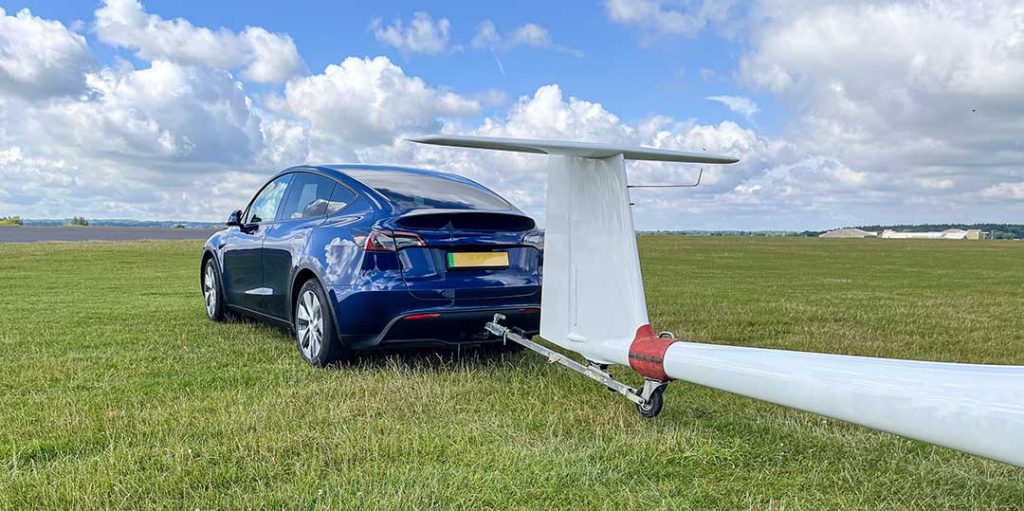
 Plenty of hybrids and some EVs are rated to tow—but you must check your vehicle’s handbook or plate for the manufacturer-approved limit. Real-world range will dip when towing, so plan routes and charge stops with a margin. The essentials are the same as ever: a correctly specified towbar, vehicle-specific electrics, and coding where required so assistance systems and warning lights behave correctly.
How Doncaster Towbars helps you tow efficiently (and safely)
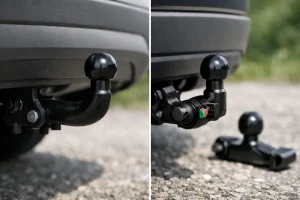
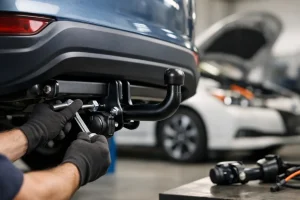
Professional towbar fitting: Choose from fixed, detachable or retractable options to suit your vehicle and how often you tow. The right bar, fitted properly, protects the vehicle structure and makes towing calmer and more stable.
Vehicle-specific wiring & troubleshooting: Correct looms integrate with modern electronics, preventing dashboard errors and ensuring every lamp works under load. If you’ve got gremlins, the team can diagnose vehicle and trailer faults.
Trailer servicing, spares & repairs: Free-running hubs, well-set brakes, straight drawbars and healthy tyres reduce drag, energy use and stopping distances. Book periodic checks, especially if your trailer sits for long periods.
Parking sensors & dash cams: Sensors help with low-speed positioning when hitching and reversing; dash cams provide incident clarity for fleets and private users alike. Both are fitted cleanly and professionally.
Maintenance that maximises efficiency
A greener tow starts before you pull away:
Tyres: Set pressures on both vehicle and trailer; under-inflation wastes energy and heats tyres.
Brakes: Sticking shoes or dragging calipers sap power—service them on schedule.
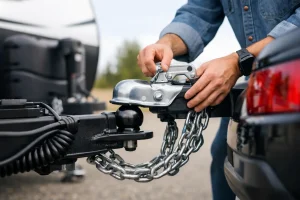
Coupling & breakaway: Inspect the head, jockey wheel, breakaway cable and safety chain for wear and correct operation.
Electrics: Test all lights, indicators and the fog lamp; fix earth faults and cracked lenses.
Load & balance: Pack heavy items low and centred over the axle; aim for steady nose weight within the vehicle’s spec.
If in doubt, book a health-check—many issues are caught with a quick service before they become roadside headaches.
Real-world use cases
Urban recoveries: Low-emission, quieter tow-trucks shine in tight residential streets and retail parks, especially at night.
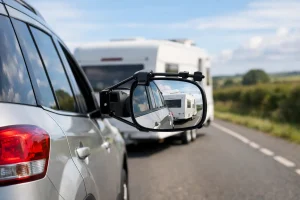
Private towing: For caravans, small plant and goods trailers, an efficient setup (towbar + loom + serviced trailer) keeps things smooth and minimises the energy penalty of pulling extra weight.
Common myths—quick fire
“EVs can’t tow.” Many can—within their rated limits. Check your specific model.
“Universal electrics are fine on modern cars.” Not necessarily; vehicle-specific kits avoid CANBUS errors and ensure correct lamp behaviour.
“Range hit makes towing impractical.” Expect a reduction, but sensible loading, tyre care and smooth driving keep it manageable—especially for local trips.
Ready to make your towing cleaner and safer?
Whether you’re setting up an EV or hybrid to tow for the first time—or you simply want a quieter, more efficient trailer in daily use—Doncaster Towbars can help with professional towbar fitting, dedicated electrics, trailer servicing, parking sensors and dash cams. Check opening times and get in touch to book your vehicle.